Reviewed · WORKSHOPS
From Praia: Banana Plantation Tour and Cuscuz Workshop
Santiago’s best moments often happen away from Praia, and this tour gets you into the island’s farming country quickly. You’ll walk through the country’s largest banana and coconut plantation, then sit down with a local family in Orgãos to make cuscuz and fidjós. I like that the day connects food with the land that produces it, rather than treating Cape Verdean cooking as a stand-alone demonstration.
I also like the personal touch provided by hosts such as Mama Luisa and guides including Bamba, Carlos, Katia, and others from the local team. The views through rocks and valleys are another strong point. The main caution is weather: flooding has sometimes kept visitors outside the plantation, and the cooking portion may occasionally be a tasting rather than a full workshop.
Key points at a glance
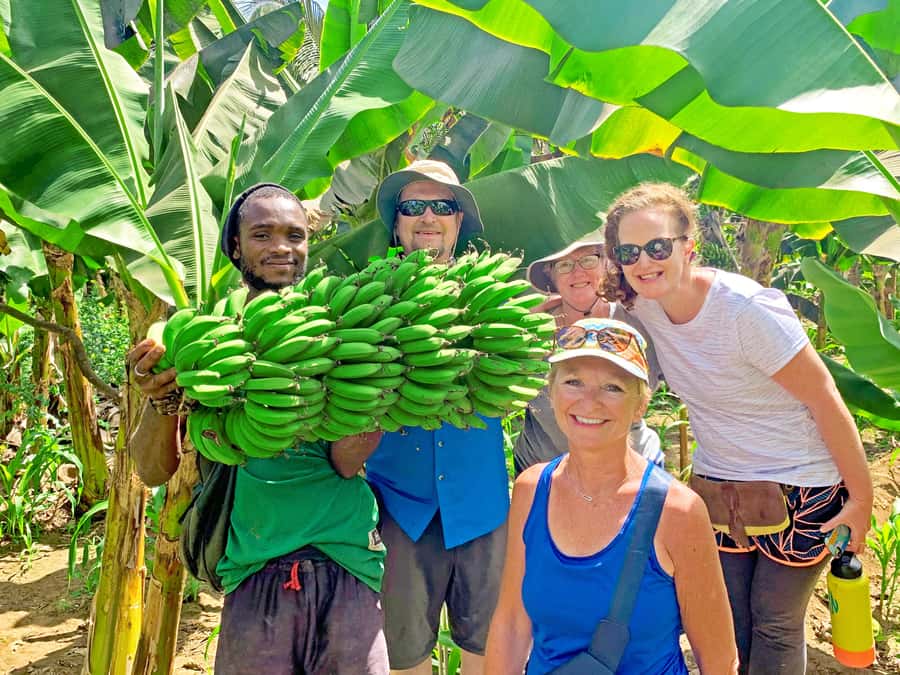
- A working plantation near Santa Cruz: Learn about bananas, coconuts, sugarcane, and other crops while walking through the fields.
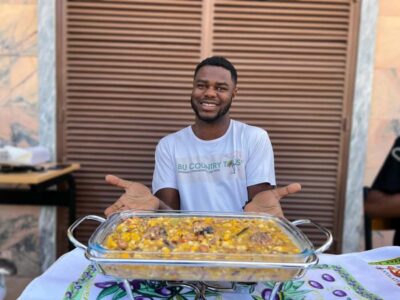
- A hands-on food stop in Orgãos: Prepare cuscuz, a cornmeal cake, and fidjós, a banana and wheat treat, with a local family.
- Warm local hosting: Mama Luisa is one of the hosts associated with the cooking experience, while guides such as Bamba, Carlos, and Katia have led different departures.
- Mountain scenery included: The drive through rocks and valleys adds a scenic side to what could otherwise be only a food tour.
- A compact morning from Praia: Pickup, transport, plantation visit, cooking activity, and return fit into roughly four hours, from 9 AM to 1 PM.
- A weather-related limitation: Heavy rain or flooding can prevent access to the plantation fields and may change the cooking activity.
Why this short trip reaches beyond Praia
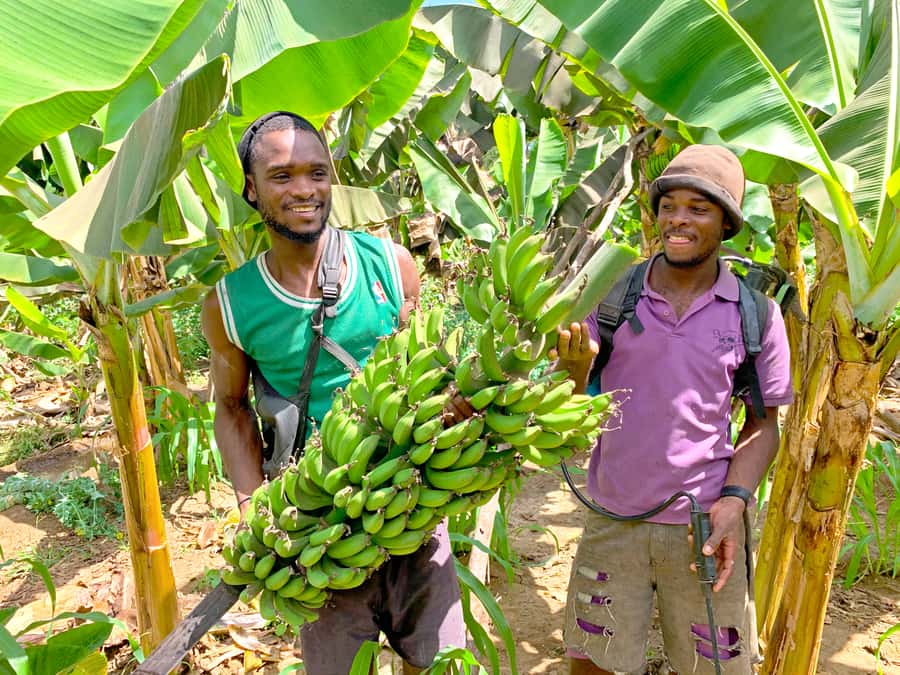
Praia gives you Cape Verde’s urban side, but Santiago becomes more rural as you head inland. This tour follows that change in scenery without asking you to commit to a full-day island circuit.
The route takes you toward Santa Cruz and Orgãos, two places that put farming, family life, and mountain terrain at the center of the day. You are not simply looking at crops from a roadside. The plan is to walk through an agricultural area, hear how different plants are grown, and then use local food traditions as a way to meet people.
That combination is the real value here. A plantation visit on its own could feel brief, and a cooking class in a city kitchen could miss the connection to the countryside. Together, the stops make a more complete picture of Santiago.
The four-hour length also works well if you are staying in Praia and want your afternoon free. The tour runs from 9 AM to 1 PM, with hotel pickup and return transport included. You get a useful taste of the island without giving up a whole day.
A few more things to do in Santiago worth a look
- Sal Island: Catxupa Cooking Class with a local family
★ 4.7 · 72 reviews - Surf Lessons
★ 5.0 · 60 reviews - Sal: Surf Lesson
★ 4.7 · 48 reviews
Walking among bananas and coconut palms near Santa Cruz
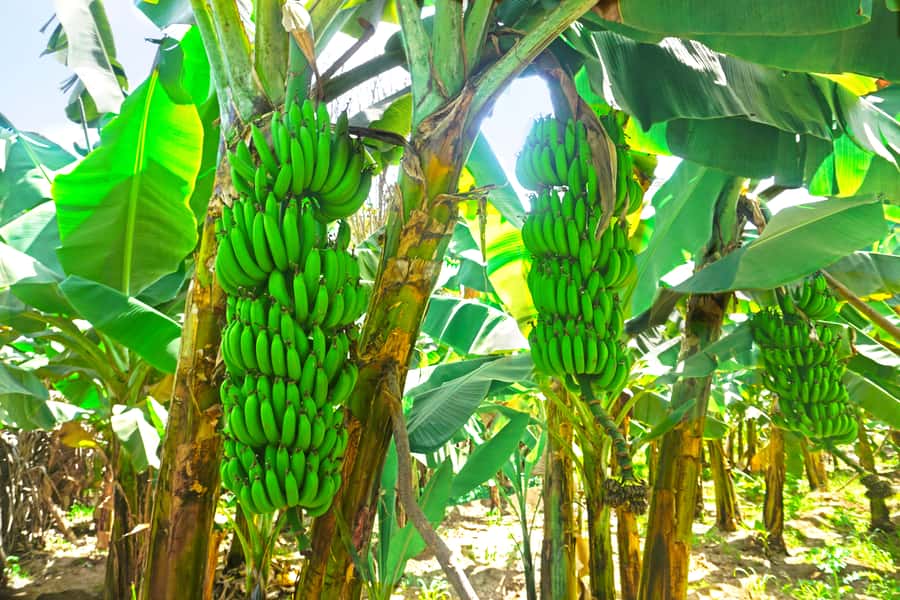
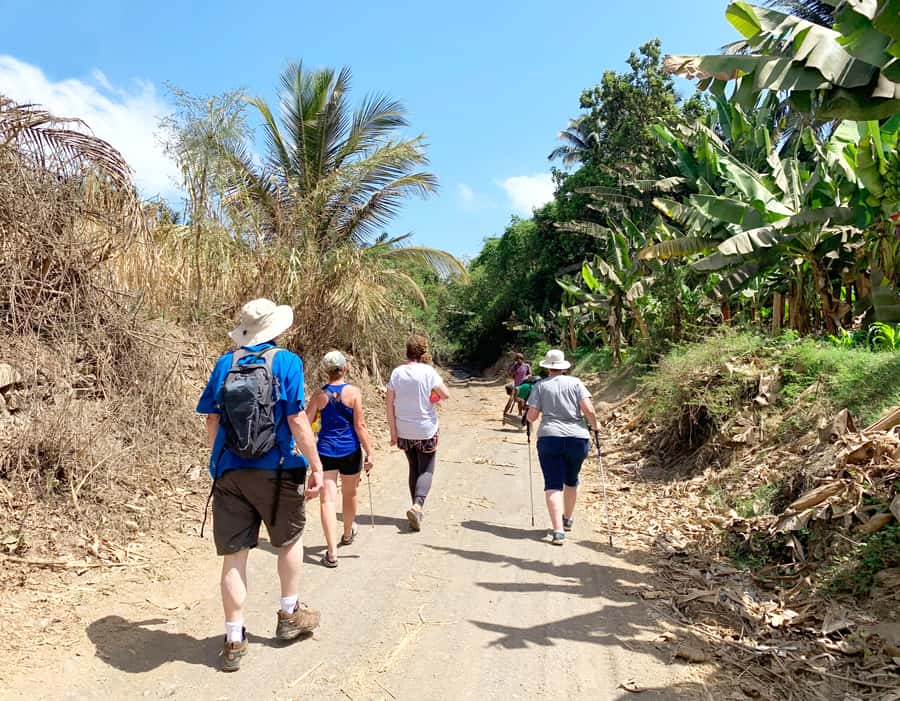
The first major stop is the country’s largest banana and coconut plantation. Your guide leads you into the agricultural fields and explains the fruit and plant varieties found there.
This is the part of the tour where comfortable shoes matter. You should expect a walk through working farmland, not a paved botanical garden. Bring a hat, sunscreen, and water, especially because the morning can feel warm even when the drive from Praia begins pleasantly.
The plantation gives you a chance to see how important agriculture remains to everyday life on Santiago. Bananas are not presented only as something on a breakfast plate. You see them as a crop, along with coconut and other plants that support local food traditions.
When available, you can buy fresh coconut water and organically grown local bananas at your own expense. That small purchase is worthwhile if the produce is available. Fresh coconut water also makes more sense here than a packaged drink from a shop, since you are seeing where local crops are grown.
The exact plantation experience depends on conditions. Flooding has prevented access to the fields on at least one departure, leaving the group to view the plantation from outside. In that situation, you may not be able to buy or taste bananas either. If the weather has been especially wet, keep your expectations flexible.
The guide can still explain the area and the surrounding countryside, but the visit will not feel the same as walking among the plants. This is the clearest reason to ask about current conditions when you book or before you set out.
Cuscuz and fidjós with a family in Orgãos
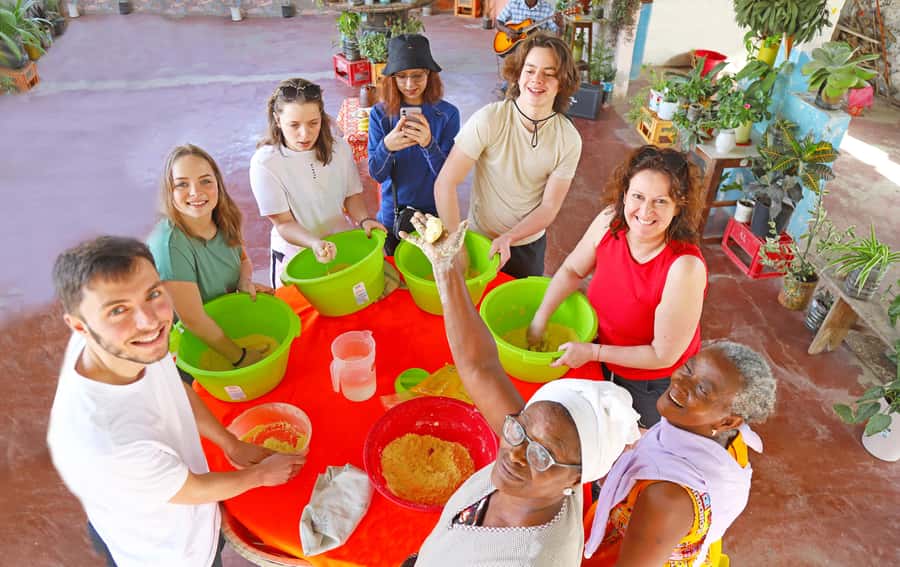
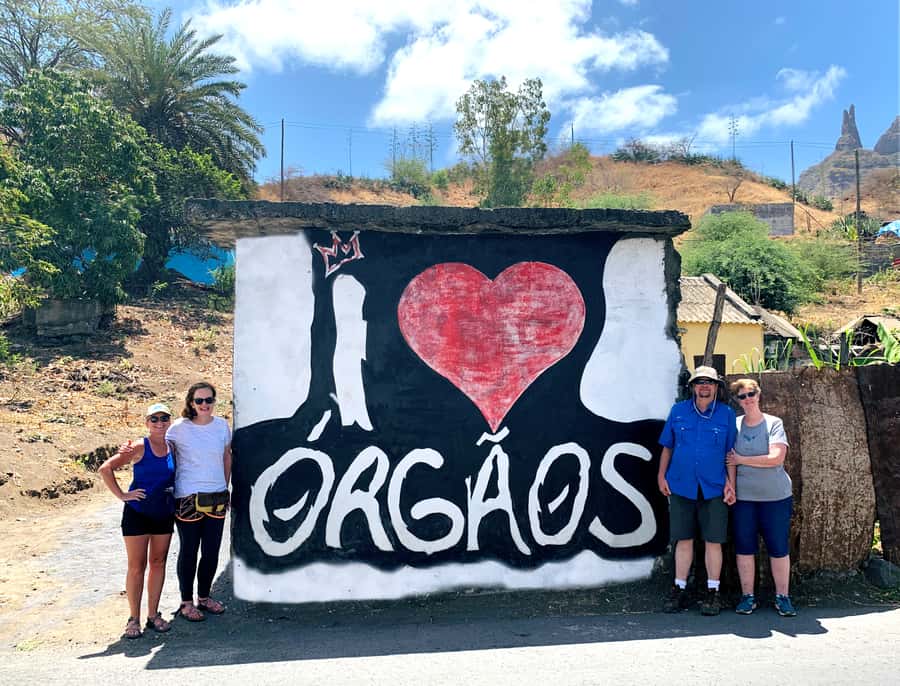
After Santa Cruz, the tour continues to Orgãos, where a local family welcomes you into the cooking experience. This is the heart of the morning for many people.
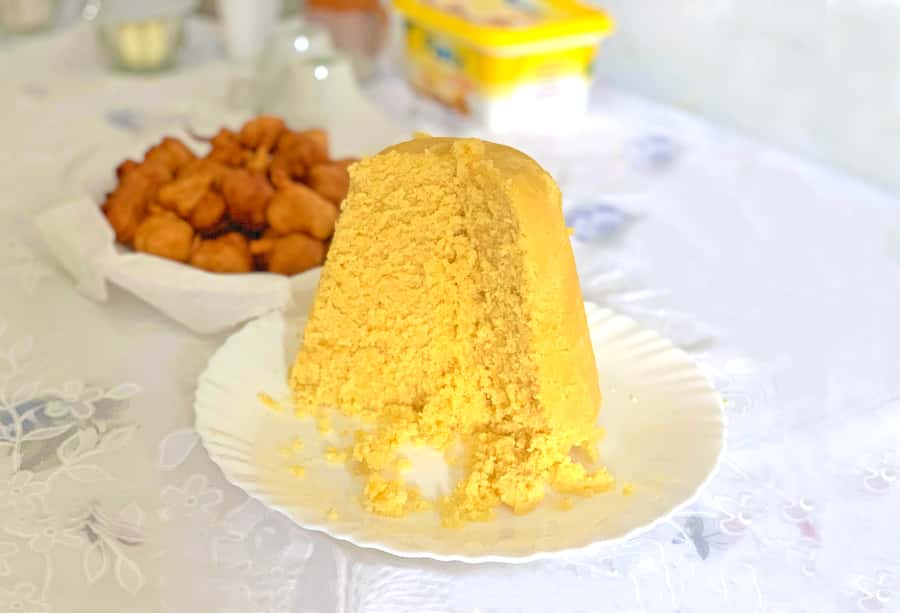
Cuscuz in Cape Verde is a traditional cake made from cornmeal. It is not the same dish many people know from North African cooking. Here, the class introduces a local version and shows you how it is prepared.
You also work with fidjós, made by mixing banana with wheat. The dish is a good example of how a few everyday ingredients can become a much-loved local treat. The cooking gives you something concrete to remember and, at least in principle, something you can try making at home.
The setting matters. Cooking with a local family brings conversation and hospitality into the experience. The local phrase morabeza is often used for Cape Verdean warmth and generosity, and this stop is where that idea becomes most visible. You are not just watching a guide describe national dishes. You are welcomed by a host and included in a home-style food tradition.
Mama Luisa is one of the hosts connected with this activity. She has been especially appreciated for her warmth and patience, and the cooking portion has been described as both friendly and hands-on. Guides such as Bamba and Ericson have also helped explain the food and answer questions during different departures.
Still, be clear about one possible variation. The activity is described as a cooking workshop, but one departure included only a tasting of cuscuz and fidjós. If the plantation is affected by rain, or if the group setup changes, the food stop may be less hands-on than expected. If making the dishes yourself is essential, confirm that the workshop is operating as planned.
The scenic drive through rocks and valleys
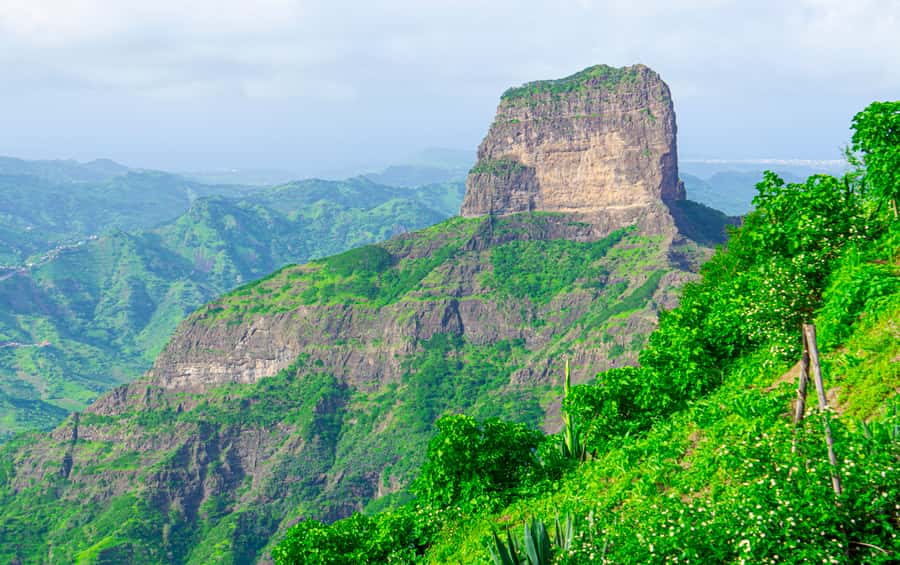
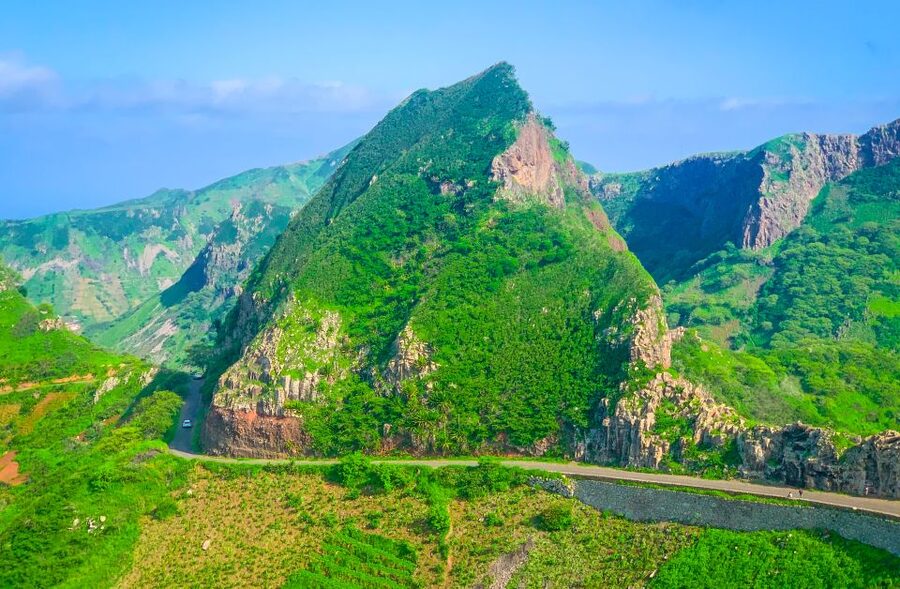
The tour does not end at the family home. You return through a scenic section of Santiago, with the guide explaining local history while pointing out the rocks, valleys, and surrounding views.
This part is less structured than the plantation and cooking stops, but it adds welcome context. You see how the island’s built-up capital gives way to a more rugged interior. The scenery also breaks up the food focus and makes the return drive part of the experience rather than dead time.
Do not expect a separate long hike here. The information describes a scenic drive, not a strenuous walking route. The highlight is seeing the countryside from the vehicle while your guide supplies background about the island.
The route also includes a visit to the Natural Park of Monte Txota as part of the advertised experience. The available details do not specify a long stop or a particular trail, so you should treat this as a scenic and interpretive part of the drive rather than a full park excursion.
That is useful to know when comparing this tour with a dedicated nature outing. You get attractive scenery and local explanation, but the strongest reasons to book are the plantation and family cooking stop.
Same island, a different sort of day:
- Praia: Santiago Island Tour with Tastings and Tarrafal Beach
★ 4.8 · 416 reviews - Santiago: Landscapes, Street Art, and Markets Day Trip
★ 4.8 · 316 reviews - From Port of Praia: Island Tour for Cruise Ship passengers
★ 4.5 · 190 reviews - Santiago Island Tour: Meet with a Local Family & Tarrafal Beach
★ 5.0 · 127 reviews
What the guides add to the day
The guide can make a large difference on a short tour. With only four hours, clear explanations and good timing matter.
Bamba has led departures in French and is noted for explaining the island clearly while adding humor and local anecdotes. Carlos has helped with practical needs such as drink stops, restroom breaks, and food recommendations. On one small departure, the group sampled sugarcane and grogue and stopped to buy fruit, including soursop, a fruit that was new to the visitors.
Katia has also guided the experience, answering questions patiently and helping create a relaxed atmosphere. Other departures have included Elio and additional local staff. Language choices are Spanish, English, French, and Portuguese, though you should select or confirm your preferred language when booking.
The guide’s role is not limited to getting you from one stop to another. You can ask about farming, local food, island life, and the places you pass on the drive. The best use of your time is to come with a few questions ready. Ask about the crops, how cuscuz is normally eaten, and where the local ingredients fit into daily meals.
Small groups are available, and private tours can be arranged. A shared departure requires at least two participants. If that minimum is not reached, the operator may offer a different date, charge an additional amount to run the trip privately, or cancel with a full refund.
Is $88 a fair price?
At $88 per person, this is not the cheapest way to see rural Santiago. It is also not simply a transfer to a plantation. The price includes hotel pickup and drop-off, transport, a guide, and the cooking activity.
That package makes the cost easier to justify if you value convenience and local contact. Organizing your own transport from Praia to Santa Cruz and Orgãos would require more planning, and you would not automatically have a family host or a guide explaining the plants and food.
The value is strongest when the plantation is open, the cooking is hands-on, and the group stays small. In those conditions, you are paying for several different experiences in one morning: agriculture, food, personal hosting, and scenery.
The value weakens if flooding limits the plantation visit and the workshop becomes only a tasting. A longer island tour with lunch may show more places for only a little extra money, especially if you want broad sightseeing rather than a focused cultural activity.
I would compare your priorities before booking. Choose this tour if you want an intimate introduction to rural food and farming. Choose a full island tour if you want more stops, more driving, and a larger overview of Santiago.
Who should book this experience?
This tour suits you if you enjoy food, local contact, and short scenic excursions. It is particularly useful for a first stay in Praia because it takes you beyond the city without requiring a full day.
It also works well for people who want more than sightseeing photographs. The cooking stop gives you a way to participate, ask questions, and understand a dish through the people who prepare it.
A private or small-group option may suit couples, families, or anyone who prefers more time with the guide. One solo departure included two guides and a driver, which created plenty of personal attention, though solo availability and pricing can vary.
The tour is not suitable for people with back problems or mobility impairments. You should also be comfortable walking around agricultural fields and getting in and out of transport. Wear practical clothing, closed or sturdy shoes, and sun protection.
If you dislike food activities, the workshop may not hold your interest for long. Likewise, if your main goal is a long nature walk, Monte Txota and the scenic drive may feel too brief.
Practical details for a smoother morning
Your pickup is from your accommodation in Praia. Wait in the hotel lobby about 10 minutes before the scheduled time so the driver does not need to search for you.
The advertised schedule is 9 AM to 1 PM. That timing leaves the afternoon open for Praia, but the exact start time should still be confirmed when you check availability.
Bring:
- Comfortable shoes for the plantation walk
- Light, practical clothes
- A hat
- Water
- Sunscreen
- A little extra money for coconut water, bananas, or other available purchases
The tour includes transport, but the information does not promise a meal beyond the cooking workshop and food tasting. If you need a substantial lunch afterward, plan to eat back in Praia.
Free cancellation is available up to 24 hours before the activity for a full refund. You can also reserve and pay later, which helps if your Santiago plans may shift.
The main question: workshop or tasting?
The wording of the experience places strong weight on learning to cook. That is a good reason to book, but you should understand that the food portion can vary.
A proper workshop gives you the most memorable version of the day. You learn the basic preparation of cuscuz and fidjós, work with the host, and connect the finished food to the plantation visit.
A tasting still gives you access to local dishes and family hospitality, but it is a shorter encounter. If the cooking element is your top priority, contact the operator shortly before the tour and ask whether guests will prepare the food or only taste it.
The same principle applies to the plantation. Normal conditions should allow a walk through the fields, but flooding can change the plan. Cape Verde’s weather and farm conditions are part of the reality of this experience, not a minor footnote.
Should you book it?
I would book this tour if you want a focused, human-scale introduction to Santiago’s countryside. The combination of a large working plantation, cuscuz and fidjós with a local family, and a mountain drive gives you more substance than a simple sightseeing loop.
The strongest parts are the warm hosting, the chance to connect food with farming, and the individual attention offered by guides such as Bamba, Carlos, and Katia. The main risks are limited access after heavy rain and the possibility that a workshop becomes a tasting.
Book it in good weather, wear practical shoes, and confirm the cooking format if that matters to you. If you want authentic food, local conversation, and a half-day beyond Praia, this is a solid choice. If you want a broad survey of the whole island or a full lunch and many attractions, spend more time comparing it with a longer island tour.
FAQ
How long does the banana plantation and cuscuz tour last?
The experience lasts four hours, from 9 AM to 1 PM.
Does the tour include pickup from Praia?
Yes. Hotel pickup and drop-off in the city of Praia are included. You should wait in the hotel lobby 10 minutes before pickup.
Which languages are available?
The live guide may lead the tour in Spanish, English, French, or Portuguese.
What food will I prepare or taste?
The activity focuses on cuscuz, a traditional cornmeal cake, and fidjós, made with banana and wheat. The exact format may be a hands-on workshop or, in some circumstances, a tasting.
Is the plantation visit always a walk through the fields?
No. Flooding can prevent access to the plantation fields. In that case, you may see the plantation from outside and may not be able to buy or taste the bananas.
Can I cancel the booking?
Yes. You can cancel up to 24 hours in advance for a full refund. Reserve now and pay later is also available.
Just added in Santiago
- Boat Trip to Aguas Belas Cave+Barbecue★ 5.0 · 6 reviews
- From Praia: Cidade Velha, Tarrafal & East Side Island Tour★ 4.8 · 23 reviews
- From Praia: Santiago Island Highlights Tour★ 4.6 · 40 reviews
- From Tarrafal: Serra to Principal Hike & Lunch with locals★ 4.7 · 41 reviews
- Serra Malagueta Natural Park Hike & Relaxing Swim at Tarrafal Beach★ 5.0 · 30 reviews
- Discover Santiago island in 1 day★ 5.0 · 39 reviews
- From Praia: Boat Trip, Snorkeling, Cave & BBQ on the Beach★ 4.6 · 45 reviews
- Praia & Cidade Velha: Guided City Tour★ 4.8 · 80 reviews