
Reviewed · SEA TURTLE WATCHING
Watch Sea Turtles Nesting – Night Tour in Sal Island
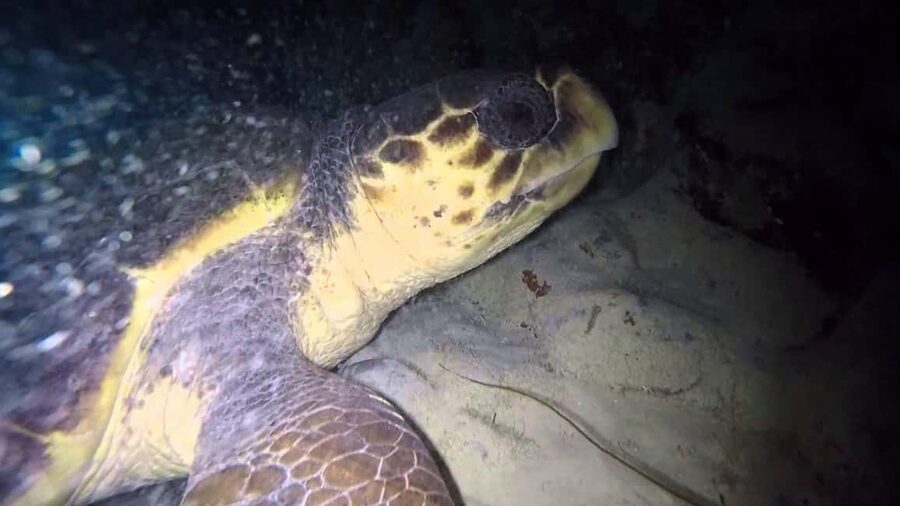
Sal’s beaches become a wildlife theater after dark, when endangered loggerhead turtles crawl from the Atlantic to lay their eggs. You’ll ride from Santa Maria to a protected beach, hear a short conservation briefing, then wait quietly for a female to choose her nesting spot. I like the use of infrared lights and the strong sighting record, reported at nearly 100 percent over the past five nesting seasons.
I also like that your fee supports local conservation and education work, and that the tour keeps groups small. The main caution is timing: although the experience is described as lasting two to three hours, some departures have lasted closer to 90 minutes from hotel pick-up to return. Bring patience, dark clothes, and insect protection, and accept that nature sets the schedule.
Key points to know before you book
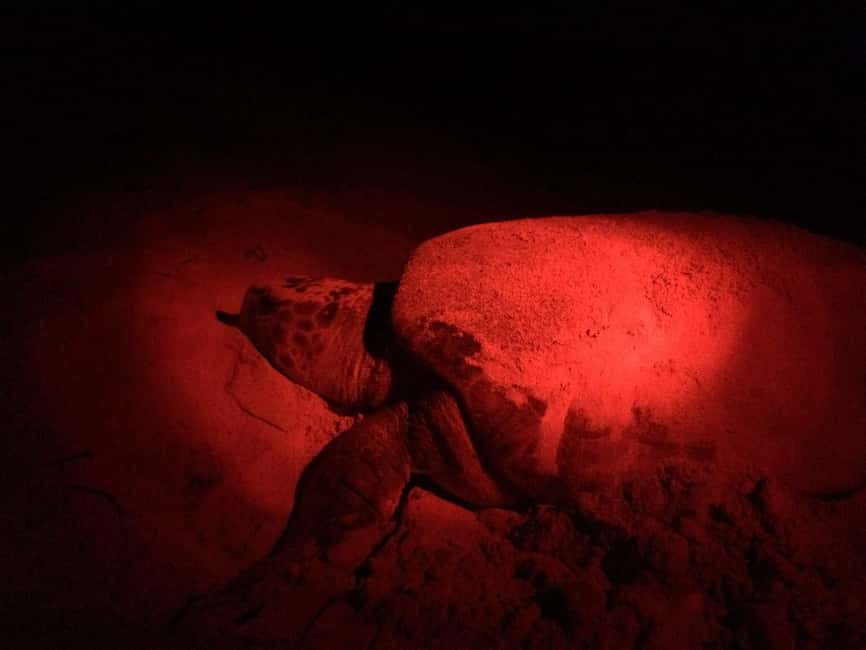
- Sal is one of the world’s top three loggerhead nesting areas: Cape Verde ranks behind only the United States and Oman for loggerhead reserves.
- The viewing is designed to protect the turtles: Red or infrared lights replace bright flashlights, and touching, feeding, or disturbing the animals is forbidden.
- Nearly every recent season has produced a sighting: The stated success rate is close to 100 percent across the past five nesting seasons, though no wildlife encounter is guaranteed on one particular night.
- The tour leaves from Santa Maria: Hotel collection and return are included there, while transfers from Murdeira Village cost extra.
- Private and deluxe choices add comfort: A private vehicle and guide are available, with snacks, drinks, a tent, or a souvenir video offered at extra cost depending on the option.
- September and October may bring hatchlings: Baby turtles are a separate observation experience, with optional adoption by donation.
Why Sal’s turtles matter
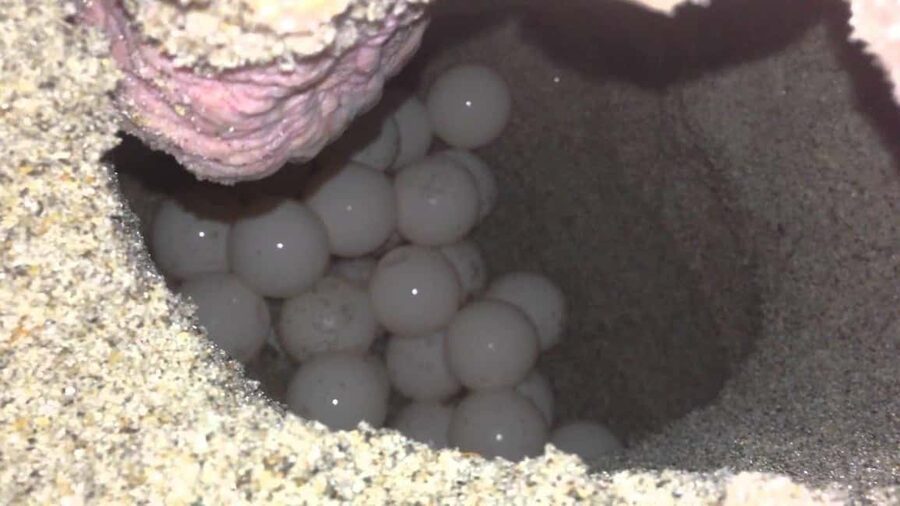
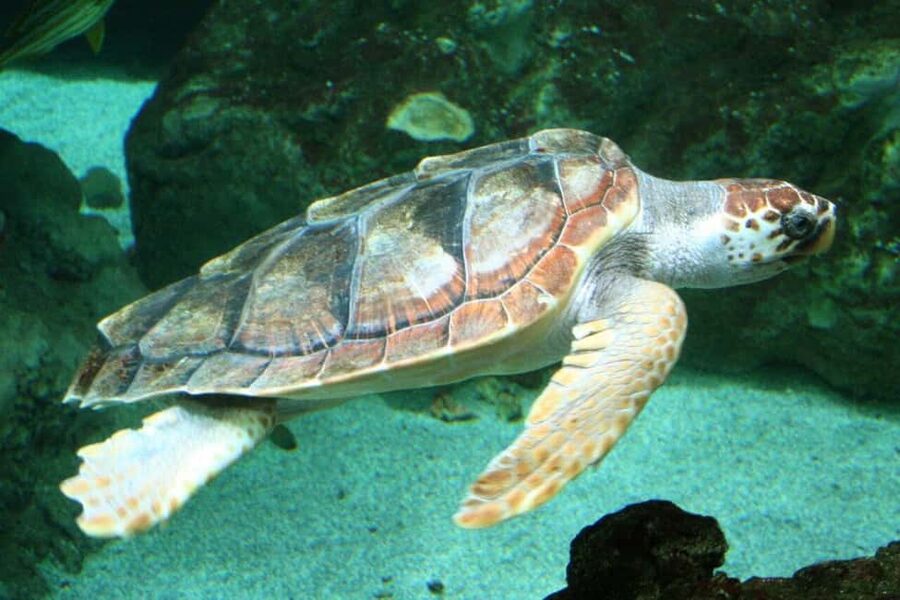
The turtle you are hoping to see is the loggerhead, or Caretta caretta. It is an endangered sea turtle that returns to sandy beaches to lay eggs, then heads back into the sea. The whole act is slow and deliberate, which makes the night feel very different from a quick animal sighting.
Cape Verde is the third-largest loggerhead turtle reserve on Earth, after the United States and Oman. That gives this outing real weight. You are not simply watching an attractive animal on a beach. You are seeing part of a major nesting cycle in a place where protection work matters.
Sal’s nesting season also has a useful rhythm. Adult females are the main focus of this nighttime tour. In September and October, you might also see small hatchlings making their way toward the water, but that is not promised and is offered separately as a baby turtle observation tour.
I like the conservation angle here because the rules are practical rather than decorative. You are told to keep quiet, avoid bright clothing, use no flash, wear no strong fragrance, and leave no rubbish. Those limits can feel strict at first, but they make sense when you are near a wild animal that must finish nesting without human interference.
More Turtle Watching in Sal
- Santa Maria: Sal Island Sea Turtle Watching Experience
★ 4.5 · 256 reviews - Sal: Turtle Nesting with professional local guide
★ 4.7 · 18 reviews - Santa Maria: Sea Turtle Watching Experience on Sal Island
★ 4.0 · 9 reviews
From Santa Maria to a protected beach
The tour begins with hotel pick-up in Santa Maria. The usual destinations include Algodoeiro, Kite Beach, or Serra Negra, depending on conditions and the nesting activity. The information provided does not promise one fixed beach, so you should expect the final location to depend on where the guides believe observation can be done responsibly.
That flexibility is useful. Turtles do not follow a tour operator’s timetable, and a protected beach may be changed to give the best chance of a safe sighting. It also means you should not book this expecting a particular beach landmark or a sightseeing drive across the island.
The transfer is part of the convenience. You do not need to arrange a late taxi after standing on a dark beach, and the return to Santa Maria is included. Pick-up times can vary, and one departure was reported as arriving about 40 minutes late. If you have a dinner booking or an early start the next morning, keep your evening open.
The drive is described as short, followed by a walk on sand. This is not a good choice for wheelchair users or people with mobility impairments. You should be comfortable walking on a beach in closed-toe or sturdy shoes, often in low light.
The briefing before the turtles appear
At the beach, a local multilingual guide gives a short introduction to turtle biology and conservation. English and Portuguese are guaranteed, with French, Italian, and Spanish available where possible. The provider is SALTOURS by Carlos, known locally as Your friend in Sal, but no individual guide names are supplied, so do not book expecting a particular person.
The briefing serves two purposes. First, it explains what you are seeing, from the turtle’s life cycle to the nesting process. Second, it sets the rules for the beach. The best viewing depends as much on your behavior as on the guide’s skill.
You will be asked to keep your voice low and avoid sudden movements. Do not use a phone flashlight or camera flash. Skip perfume, scented lotion, and strong deodorant, since scent can interfere with a turtle’s natural behavior. Smoking, alcohol, drugs, drones, pets, and aerosols are not allowed.
Wear dark-colored clothing, not bright or reflective items. A light jacket or cardigan is sensible because it can feel cool at night, while long sleeves and trousers can help with mosquitoes. The guidance asks for scent-free mosquito repellent, and one person specifically found the beach heavily affected by mosquitoes. The supplied rules also list insect repellent among prohibited items, which appears inconsistent with the advice to bring a biodegradable, scent-free product. Ask the operator which type is acceptable before departure, and never apply spray near a turtle.
Waiting quietly for a female loggerhead
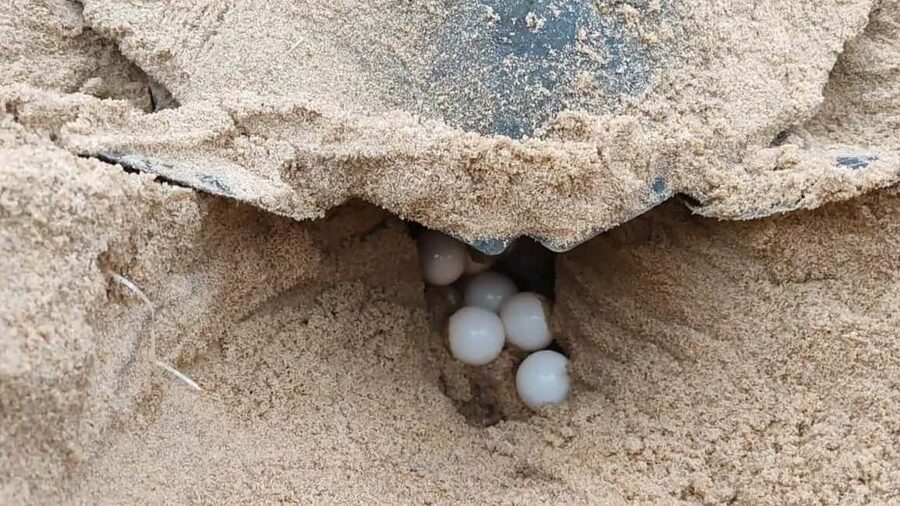
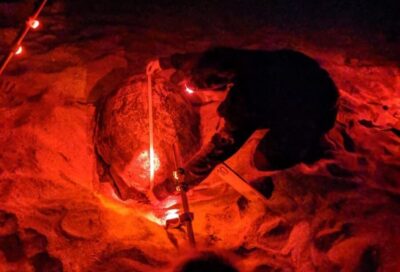
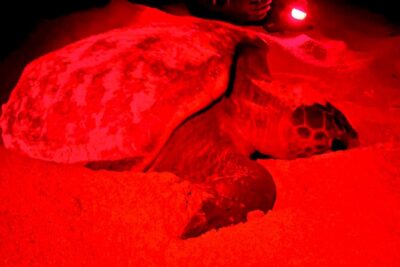
Once the briefing is over, you walk toward the beach using red or infrared lights. The point is not to flood the sand with light, but to give the group enough visibility to move and observe without startling the turtle.
The waiting is part of the outing. You might first see a female emerge from the sea, then pause as she searches for a suitable place. She may crawl farther up the sand, turn around, or return to the water without nesting. This is called a false crawl, and it is a normal part of the process rather than a failed tour.
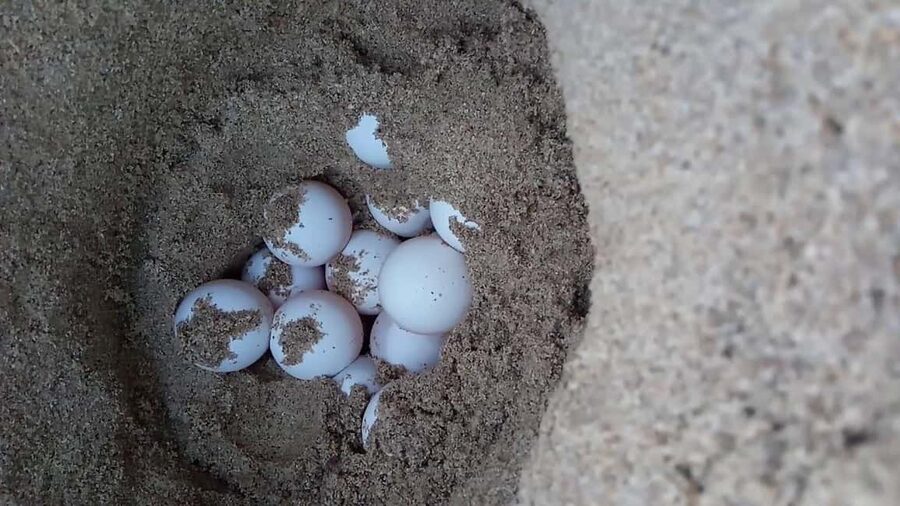
If conditions are right, you can watch the full sequence. The turtle digs a nest, lays her eggs, covers them with sand, and returns to the ocean. The action is not fast, and you may spend much of the time sitting or standing quietly while the animal works.
That patience is important. This is not a staged show where a guide can produce a turtle on command. The strong recent sighting record is encouraging, but wildlife remains unpredictable. You should book this for the chance to witness a natural event, not for a guaranteed checklist of every stage.
The most moving part is often the return to the sea. After the effort of nesting, the turtle slowly makes her way back across the sand. Your group must let her pass without helping, touching, or blocking her route.
More wildlife trips in Santa Maria Cape Verde:
- Santa Maria: Sea Turtle Watching Experience on Sal Island
★ 4.6 · 446 reviews - Boa Vista: Shark, Turtles, Cave, Sandboarding & Tasting Tour
★ 4.8 · 328 reviews - Boavista: Turtle, Shark, Santa Monica, Sandboard & Tasting
★ 4.7 · 228 reviews - From Mindelo: São Vicente’s Enchanting Sea Turtle Snorkeling
★ 4.4 · 153 reviews
Infrared viewing and ethical photography
The tour uses infrared lights for close-up observation. This is one of its strongest practical features because it allows you to see more than a vague shape in the darkness without using harsh white light.
Flash photography is forbidden, and professional photography is not included. An optional photographer or professional photo service may be available, and a turtle nesting video can be added to a private option for an extra cost. You should not assume that the basic $46 price includes photographs or video.
Keep your phone and camera ready before the turtle approaches, but use them only within the guide’s instructions. A bright screen, flashlight, or sudden movement can disturb the animal. In this setting, a respectful view is more valuable than trying to record every second.
The tour’s rules also ban bright colors, strong fragrance, litter, and reflective clothing. These are small details, but they affect the quality of the encounter. A group that stays calm gives the turtle the best chance to complete her nesting cycle.
How long the night really lasts
The advertised experience lasts around two to three hours, including hotel transport, the briefing, the walk, and observation. That is a reasonable amount of time for an evening activity, but actual outings may be shorter.
One departure collected its party at 8:30 p.m. and returned them to the hotel at 10 p.m. Another started about 40 minutes late and spent roughly an hour at the beach. These reports suggest that the total time depends on pick-up efficiency, the beach selected, and the night’s turtle activity.
I would treat the two to three hours as a flexible window rather than a firm promise. The upside of a shorter night is that you are not stuck on the beach for hours if the turtle activity is limited. The downside is that less beach time can feel disappointing if you paid for a longer nature outing.
The tour operates every day during the nesting season, including Sundays and holidays. That gives you useful flexibility, especially if weather or plans change. Since the organizer may reschedule a canceled date to the following day, keep a little space in your itinerary if this is important to you.
Choosing group, private, or deluxe
The standard group option includes hotel transfers from Santa Maria, a local multilingual guide, the conservation briefing, infrared lights, turtle observation, liability insurance, and a small group format. At $46 per person, it offers a fair way to reach a protected beach without arranging transport or a private guide.
The value depends on what you want from the night. If your main goal is to see the turtles and learn the basic rules, the shared tour should cover the essentials. If you want control over departure time, more personal attention, or space for your own party, the private option makes more sense.
A private booking includes a vehicle and guide for your group, plus more flexible service. Soft drinks and snacks can be arranged at extra cost. A souvenir nesting video is also an extra, not part of the basic private price.
The deluxe version adds a glamping tent and may include snacks or a souvenir video, depending on the selected package. That could suit you if you want the setting to feel like a special occasion. It is less important if you mainly care about the actual turtle encounter, since the turtle observation remains the central activity.
Transfers from Murdeira Village are available for an additional fee. The included hotel service applies to Santa Maria, so check the transfer cost before booking if you are staying elsewhere.
Who will enjoy this night most
I would recommend the tour to families with older children, couples, solo visitors, and anyone interested in conservation. It is suitable for all ages in principle, and child and infant seats are available on request for the vehicle.
The beach conditions are the key limit. You need to walk on sand and remain outside at night, so the tour is not suitable for wheelchair users or people with mobility impairments. Babies may ride in a vehicle seat, but the dark, quiet beach setting may not suit every young child.
You should also enjoy slow wildlife watching. If you need constant activity, bright photography, or a fixed schedule, this may test your patience. If you can sit quietly and let the animal set the pace, the wait becomes part of the reward.
This is also a good choice for a first conservation outing because the rules are explained before you approach the beach. You do not need specialist turtle knowledge. You do need to follow instructions carefully.
What to pack for the beach
Keep your packing simple and practical:
- Dark, comfortable clothing, with long sleeves and trousers if mosquitoes bother you
- Sturdy closed-toe shoes for walking across sand
- A light jacket or cardigan
- Scent-free, biodegradable insect repellent, after confirming the acceptable type with the operator
- A small amount of water if allowed by the guide, packed without creating rubbish
- A phone or camera that can be used without flash or bright light
Avoid alcohol before the tour, strong perfumes, bright clothing, aerosols, drones, and anything you might leave behind. Do not bring pets, and do not plan to touch turtles, eggs, hatchlings, or nests.
Is $46 a fair price?
At $46 per person, the shared tour is priced for convenience as much as for wildlife viewing. Your fee covers the transfer from Santa Maria, a guide, a conservation briefing, the protected beach visit, specialist infrared lighting, insurance, and a small-group format.
That is useful value if you would otherwise need to find a late-night driver and arrange access to a nesting beach yourself. The conservation support also gives the cost a practical purpose, since local education and protection work benefit from responsible tourism.
The price is less easy to judge if your outing is short or your pick-up runs late. Since the actual time at the beach can vary, ask for the expected schedule before you leave your hotel. Private and deluxe versions will cost more once snacks, drinks, a video, photography, or extra transfers are added.
Should you book this Sal turtle tour?
Book it if you want a respectful chance to see an endangered loggerhead nesting in the wild, and you are comfortable with darkness, sand, mosquitoes, and waiting. The reported sighting rate is excellent, and the use of infrared lights shows that the focus is on observation without interference.
I would be cautious if you need a strict end time, have mobility limits, or expect a guaranteed three-hour program. Confirm your pick-up time, ask about the correct insect repellent, and keep the evening free of tight plans.
For most visitors staying in Santa Maria, this is one of Sal’s most meaningful nighttime activities. The best souvenir may not be a video. It may be the quiet sight of a huge turtle covering her nest, then finding the sea again under the stars.
FAQ
Where does the turtle nesting tour take place?
The tour travels from Santa Maria to a protected nesting beach on Sal. Possible beaches include Algodoeiro, Kite Beach, and Serra Negra, depending on conditions and turtle activity.
What is included in the $46 group tour?
The group option includes hotel pick-up and drop-off in Santa Maria, turtle observation, a multilingual local guide, a conservation briefing, infrared lights, a small group, liability insurance, and child or infant seats on request.
How long does the activity last?
The planned experience takes around two to three hours, including transfers and the beach visit. Actual timing can vary, and some outings may be shorter.
Are turtle sightings guaranteed?
No wildlife sighting can be guaranteed on one specific night. The tour reports nearly 100 percent sighting success over the past five nesting seasons.
What animals might I see?
The main animal is the endangered loggerhead sea turtle. Depending on the season and conditions, you might also see a false crawl or hatchlings, mainly in September and October.
Can children join the tour?
Yes. The activity is suitable for all ages, and child and infant seats are available on request. You should still consider the beach walk, quiet waiting, darkness, and mosquitoes.
Is the tour suitable for wheelchair users?
No. The tour is not suitable for wheelchair users or people with mobility impairments because it includes walking on sand at night.
Can I take photographs?
You may bring a camera, but flash photography and flashlight use are not allowed. A professional photographer may be available as an optional service, and a nesting video can be added to a private option for an extra cost.
Can I cancel the booking?
You can cancel up to 24 hours in advance for a full refund. The tour operates daily during the nesting season, including Sundays and holidays.
More Evening Experiences in Santa Maria Cape Verde
- Santa Maria: Guided Coastal Hike & Monte Leão Sunset
★ 4.5 · 37 reviews - Boa Vista Sunset Dinner with Live Music
★ 4.4 · 8 reviews - Sal: Romantic Sunset Escape with Wine and Roundtrip Transfer
★ 4.3 · 3 reviews - From Boa Vista: Turtle Watching and Nesting Evening Tour
★ 4.8 · 49 reviews
Just added in Santa Maria Cape Verde
- Half Day 4×4 Tour with Viana Desert and Villages★ 4.1 · 8 reviews
- Santa Maria: Sea Turtle Watching Experience on Sal Island★ 4.0 · 9 reviews
- Santa Maria: Half-Day Diving Trip in Sal with Pickup★ 4.7 · 6 reviews
- Santa Maria Half Day or Full Day Car Rental, Pedra de Lume★ 3.6 · 8 reviews
- Sal: Turtle Nesting with professional local guide★ 4.7 · 18 reviews
- Santa Maria: Scenic Segway Tour with Guide★ 4.7 · 11 reviews
- Sal: Romantic Sunset Escape with Wine and Roundtrip Transfer★ 4.3 · 3 reviews
- Sal: Small Group Island Tour & Lunch with a Local Family★ 4.4 · 3 reviews
Sea Turtle Watching, compared.
Shark, Turtles, Cave, Sandboarding & Tasting Tour
Read our review →
Turtle, Shark, Santa Monica, Sandboard & Tasting
Read our review →
Beautiful Beaches, Turtles & Djeu Island Snorkel
Read our review →
Browse the lists this tour appears in