
Reviewed · SEA TURTLE WATCHING
From Boa Vista: Turtle Watching and Nesting Evening Tour
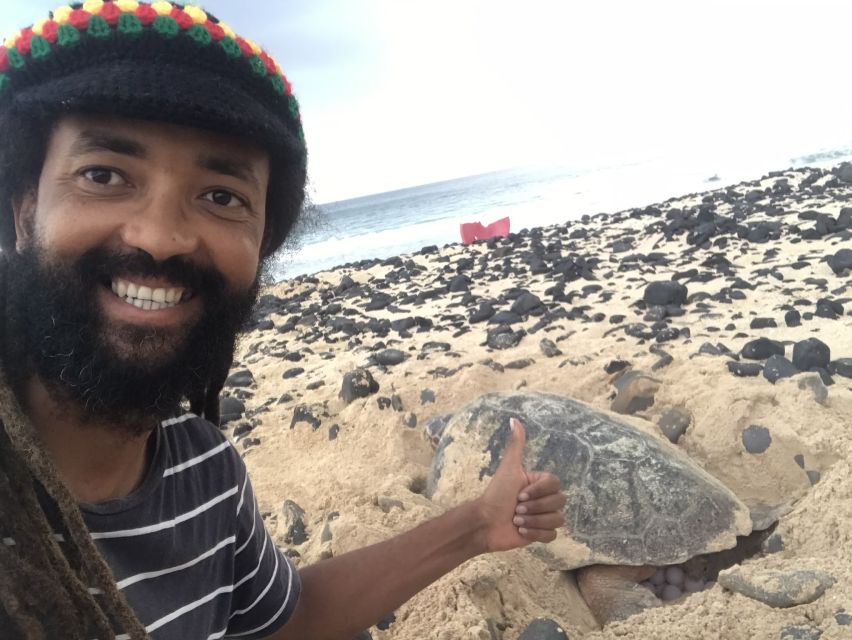
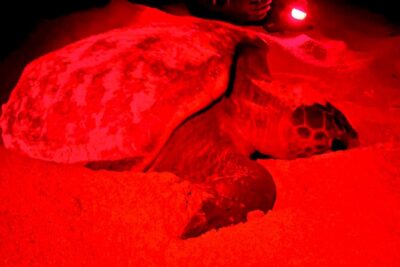
A loggerhead turtle hauling herself onto a dark Boa Vista beach is the main event here. From June through October, females arrive after sunset to prepare a nest, lay their eggs, cover the chamber with sand, and slip back toward the sea. If you are patient and lucky, you may watch the whole sequence from only a few centimeters away, under a sky with very little light pollution.
I like two things right away: the strict conservation rules keep the encounter focused on the turtle, and the guides explain the animal’s behavior instead of treating the beach like a wildlife show. Guide Evandro is praised for his calm, friendly manner, and the tour gives €3 from each booking to the Protected Areas Conservancy Program.
The main drawback is the journey. From RIU Karamboa, the drive can take about 90 minutes, with long stretches of rough off-road travel in the back of a pickup. Turtle sightings are not guaranteed, and the visit may begin earlier or later depending on sea conditions.
Key points to know before you book
- June to October is nesting season: This is the period when loggerhead females come ashore to lay eggs.
- Boa Vista receives most of Cape Verde’s loggerheads: More than 90 percent of the turtles arriving in the country reach the island’s 55 kilometers of sandy beach.
- Expect a long, bumpy transfer: The ride from RIU Karamboa can take around 90 minutes each way.
- The turtle comes first: Flash photography and flashlights are forbidden, and the number of people per beach is limited.
- The full nesting process may unfold: You might see nest preparation, egg laying, sand covering, and the return to the sea.
- Your booking supports conservation: €3 goes to the Protected Areas Conservancy Program, while entry to the protected area is included.
Why Boa Vista is such an important turtle island
Cape Verde has the world’s third-largest community of loggerhead sea turtles, and Boa Vista receives more than 90 percent of them. That makes this more than a pleasant evening on the beach. You are visiting one of the key nesting areas for an endangered species.
The island’s 55 kilometers of white sandy beach give females room to come ashore and make their nests. During nesting season, usually from June through October, a female may appear from the sea, choose her place, and begin working with surprising care. She first prepares the nest, lays her eggs, covers them with sand, and tries to hide the site before returning to the water.
That behavior explains the firm rules. A bright light can confuse or frighten a turtle, especially when she is trying to find her way back to the sea. Keeping numbers low also matters. Each operator reports how many people are going to the beach, and limits apply to the number of tours and visitors allowed each night.
I appreciate that the tour does not present wildlife as a guaranteed performance. The conditions belong to the turtles. Your group may wait for some time, see one adult, or encounter small turtles as well. A responsible wildlife trip should leave room for that uncertainty.
More Turtle Watching in Boa Vista
- Boa Vista: Shark, Turtles, Cave, Sandboarding & Tasting Tour
★ 4.8 · 328 reviews - Boavista: Turtle, Shark, Santa Monica, Sandboard & Tasting
★ 4.7 · 228 reviews - Boa Vista: Beautiful Beaches, Turtles & Djeu Island Snorkel
★ 4.6 · 100 reviews
The evening begins with hotel pickup
Hotel pickup and drop-off are included, which is useful because the nesting beaches are away from the main resort areas. You do not need to arrange a separate taxi or work out your own route across the island at night.
The exact departure time can change. The activity usually takes place in the early evening, but the sea level may require the start to move a little earlier or later. That flexibility is tied to the conditions at the beach, not poor planning.
Once you leave the resort area, expect a long transfer. The drive from RIU Karamboa has been described as roughly 90 minutes, with bumpy off-road sections and a very dark, barren route before reaching the beach. You may choose to ride in the back of the pickup, which adds to the open-air feel but also exposes you to the bumps.
This is not a quick local outing. Allow plenty of time for transport, waiting, the turtle search, and the return journey. The ride can feel long, but a good guide uses it to explain the island and the turtles. Evandro is specifically praised for making the journey feel shorter with his relaxed style and clear information.
Bring water and wear long trousers, closed-toe shoes, and a jacket. The beach can feel cool at night, and insect repellent is sensible. You should also be ready for sand, darkness, and uneven ground.
Reaching the protected beach after dark
The final approach can feel remote. One account describes a dark, barren journey before reaching the shore, so do not worry if the surroundings seem empty or unlit. That quiet is part of the setting, and it helps keep the beach suitable for nesting.
The protected-area entry ticket is included in the price. Once at the beach, the guide manages the movement of the group and watches for turtles without using bright lights. You may spend time standing or walking on sand while looking for movement near the waterline.
The beach itself becomes the evening’s setting. The ocean provides the soundtrack, and the lack of artificial light can make the stars unusually clear. Several people praised the night sky as much as the turtle sighting. If you enjoy quiet natural settings, this is a meaningful part of the trip, not just something to fill the waiting time.
You should not expect a brightly lit viewing platform or a polished visitor center. This is a low-key field experience. The darkness, sand, and waiting are real parts of it.
Watching a loggerhead make her nest
The best moment comes when a female turtle settles into her work. She may first test the sand and begin clearing a hollow with her rear flippers. Once she is satisfied, she creates the nest chamber and starts laying eggs.
The guide explains what is happening while keeping the group back and quiet. You may see the eggs drop into the chamber, followed by the careful work of covering them. The turtle then uses her flippers to scatter sand around the area, helping conceal the nest from predators and making it harder to spot.
This can take time. One group waited patiently until a turtle began laying, and that patience made the sighting possible. If you arrive during the early part of the visit, you might see a turtle preparing rather than laying. If you stay through the full sequence, you may watch her camouflage the nest and return to the sea.
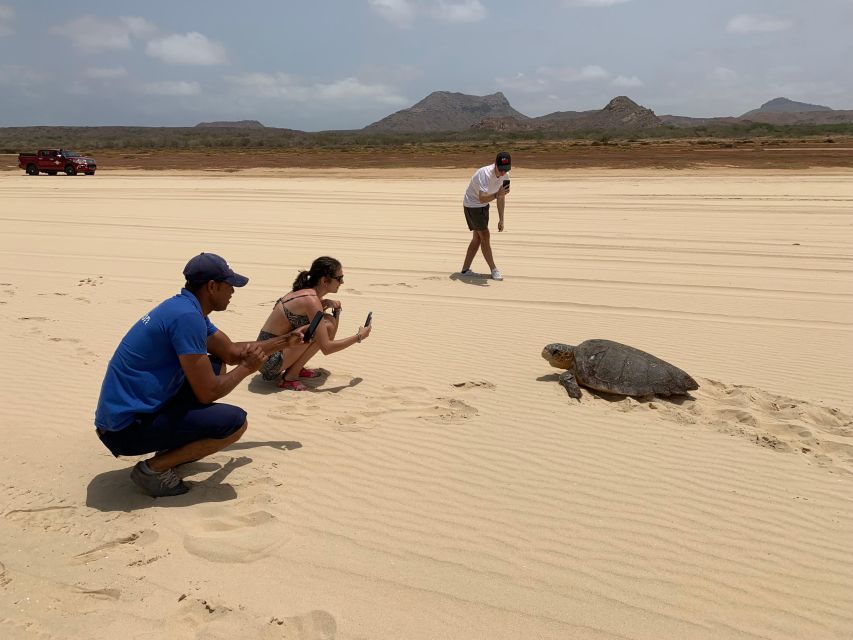
The description of being only a few centimeters from these large females needs a practical warning: close does not mean touching. You must follow the guide’s instructions and avoid blocking her route. The turtle needs to remain calm and able to reach the water.
No flash photography is allowed, and flashlights are also forbidden. Your phone may be of little use in the dark, but that is fine. Trying to record every second can distract from a rare natural event and could disturb the animal. Watch with your eyes, listen to the surf, and let the guide control the distance.
More wildlife trips in Boa Vista:
- Guided turtle tour in a group in Boa Vista
★ 5.0 · 67 reviews - 4×4 Tour – Sandboard, Shark & Green Turtle’s Bay, Snacks & Drinks
★ 5.0 · 44 reviews - Boa Vista: 3h Turtle Watching Expedition
★ 4.7 · 39 reviews - Boa Vista: Turtles, Sharks, City of Sal Rei, Santa Monica Beach, Shipwreck …
★ 5.0 · 7 reviews
What happens if the turtles are scarce
There is no promise that an adult turtle will appear at a convenient time. The activity is tied to wildlife, tides, and the season. In mid-October, the guides are transparent about the possibility of fewer sightings, yet an evening may still produce one adult and several small turtles.
That uncertainty is important when deciding if the $94 price feels worthwhile. You are paying for transport, a protected-area entry ticket, trained staff, and a carefully managed wildlife outing, not a guaranteed number of turtles. The conservation contribution also gives the cost a wider purpose.
A quiet evening with no adult sighting may disappoint someone looking for a fast, predictable attraction. It may suit you perfectly if you value ethical wildlife watching and can accept that the animal sets the schedule.
The tour’s rating of 4.8 from 49 reviews suggests strong satisfaction, but the useful detail is why people enjoyed it: clear explanations, friendly staff, patience, safe turtle handling, and the sense that the animals are not being pushed for a better view.
The pickup truck ride is part of the trade-off
The transport is one of the tour’s defining features. A pickup truck can reach remote stretches of beach, and sitting in the back gives you an open view of the night. It also means a rougher ride than a standard coach.
If you have a sensitive back or dislike bumpy roads, take the journey seriously. The transfer may last around 90 minutes from RIU Karamboa, and there are long off-road sections. The activity is not suitable for people with mobility impairments or wheelchair users.
For many people, the ride becomes part of the story. You leave the resort, cross the dark interior, and arrive at a beach where the only clear sounds may be the surf and the group’s quiet instructions. Still, an exciting setting does not erase the physical demands. Wear practical clothing and shoes, and avoid bringing anything you would struggle to hold securely during the ride.
How the conservation rules improve the visit
The best part of the rules is that they protect the reason you came. Limited group numbers reduce pressure on the beach, while the ban on flashes and flashlights prevents the sort of disturbance that can ruin a nesting attempt.
The tour is run by trained staff who work with local protection efforts. Government protection, local involvement, associations, and international support all play a role in the wider conservation program. Your booking adds a small but direct contribution, with €3 allocated to the Protected Areas Conservancy Program.
I also like the way the activity makes you notice the work behind a turtle sighting. The guide is not simply pointing at an animal. You learn how the nest is made, why the eggs are covered, and why the return to the sea must happen without interference.
That makes the experience useful for families with older children and for anyone who wants more context than a quick photograph. Young children may find the darkness, waiting, and late timing difficult, but the educational value is strong if they can remain quiet and patient.
Languages, cost, and who will enjoy it most
The tour is available in English, French, Italian, and Portuguese. Guide Evandro is singled out for his friendly approach, while the wider team is described as helpful and well prepared.
At $94 per person, this is not a cheap evening activity. The value depends on what you want. The price includes hotel pickup and drop-off, the protected-area entry ticket, guiding, and a conservation contribution. You are also paying for access to a remote beach where independent visitors may not have the same local knowledge or permission.
I think the cost is easier to justify if you care about wildlife protection and want a guided encounter rather than a casual beach stop. It is harder to justify if you want a guaranteed sighting, a short transfer, or a comfortable vehicle.
Book with the right expectations. You may see the full nesting sequence, including egg laying and camouflage. You may see one turtle, small turtles, or spend much of the evening waiting. The experience is most rewarding when the waiting itself feels worthwhile.
You can reserve and pay later, which keeps plans flexible. Cancellation is allowed up to 24 hours before the activity for a full refund. Those policies are useful because weather, health, and changing holiday plans can affect an evening excursion.
What to pack for a dark beach
Keep your packing simple:
- Water for the transfer and time on the beach
- A jacket for the evening
- Long trousers
- Closed-toe shoes
- Insect repellent
Do not bring a flashlight for use at the beach, and do not plan on flash photography. The guides need the darkness to remain dark.
A phone camera may not capture much without bright light, and using a flash is not allowed. Think of this as a wildlife observation first and a photo opportunity second.
Should you book the Boa Vista turtle tour?
Book it if you want a rare wildlife encounter, can handle a long bumpy transfer, and are willing to let the turtles set the pace. The chance to watch a loggerhead prepare a nest, lay eggs, cover them, and return to the sea is special, especially with the stars overhead and the surf nearby.
Skip it if you need guaranteed sightings, easy access, or a short evening excursion. The beach is remote, the timing can shift, and nature may offer only a brief view.
For me, the strongest reasons to go are the responsible approach, the patient guides, and the direct link to conservation. Bring practical clothes, leave the flashlight behind, and treat the $94 as payment for careful access to a protected natural event, not a promise of a show.
FAQ
When does the turtle nesting tour operate?
The nesting season runs from June through October. The evening timing may change slightly depending on sea level.
What turtles can I see?
The tour focuses on loggerhead sea turtles. You might see females preparing nests, laying eggs, covering the eggs with sand, returning to the sea, or small turtles.
Is hotel transportation included?
Yes. Hotel pickup and drop-off are included.
How long is the drive to the beach?
The journey from RIU Karamboa can take about 90 minutes. It includes long, bumpy off-road sections.
What languages are available?
The tour is available in English, French, Italian, and Portuguese.
Can I use a flashlight or flash photography?
No. Flash photography and flashlights are not allowed because they may disturb the turtles.
Is the tour suitable for wheelchair users?
No. The activity is not suitable for wheelchair users or people with mobility impairments.
What happens if I need to cancel?
You can cancel up to 24 hours in advance for a full refund. You can also reserve now and pay later.
More Evening Experiences in Boa Vista
- Boa Vista: Night Buggy Tour under the Stars (2-Hour)
★ 5.0 · 25 reviews - Boa Vista: African night
★ 3.4 · 4 reviews - Santa Maria: Guided Coastal Hike & Monte Leão Sunset
★ 4.5 · 37 reviews - Mindelo Cultural: city tour “Mindelo by Night”
★ 4.9 · 35 reviews
Just added in Boa Vista
- Boavista: Private Birdwatching Expedition in natural Habitat★ 4.3 · 10 reviews
- From Boa Vista: Sandboarding Adrenaline down the big Dunes★ 4.8 · 8 reviews
- Boa Vista: Lobster Lunch at Santa Monica Beach★ 4.9 · 10 reviews
- Discover Scuba Diving Program for Beginners★ 4.2 · 4 reviews
- Boavista: Whale Watching half day trip★ 4.4 · 15 reviews
- Boavista: Traditional & Local Experience Tour★ 4.4 · 20 reviews
- Boavista: Santa Monica beach, Varandinha cave, Sand dunes★ 4.4 · 16 reviews
- Boavista: City Tour with a Splash at Estoril Beach★ 4.2 · 3 reviews
Sea Turtle Watching, compared.
Shark, Turtles, Cave, Sandboarding & Tasting Tour
Read our review →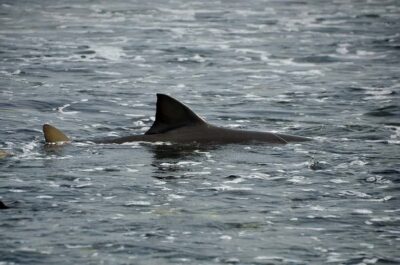
Turtle, Shark, Santa Monica, Sandboard & Tasting
Read our review →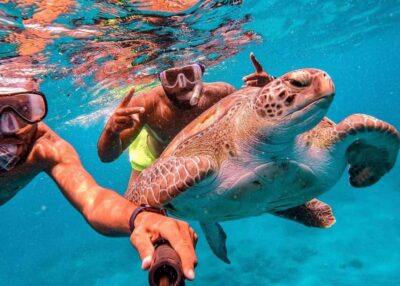
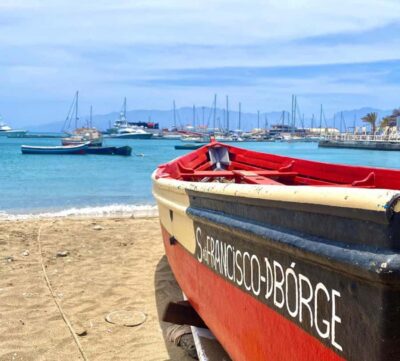
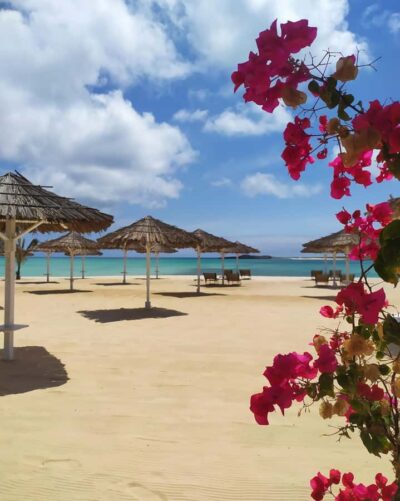
Beautiful Beaches, Turtles & Djeu Island Snorkel
Read our review →
Browse the lists this tour appears in