
Reviewed · HIKING & TREKKING
Private Hike through mountains and distant rural villages
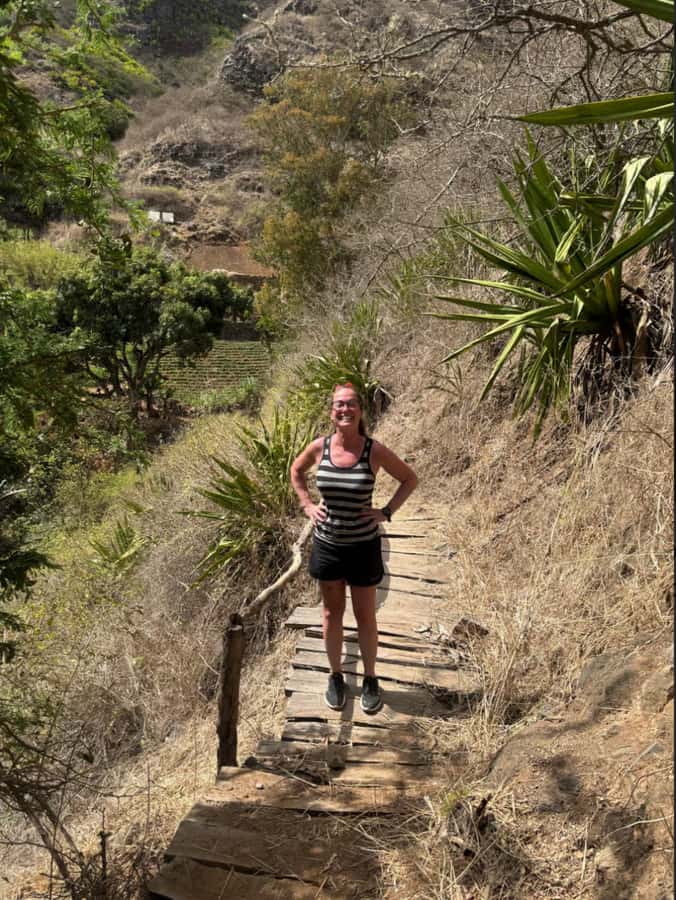
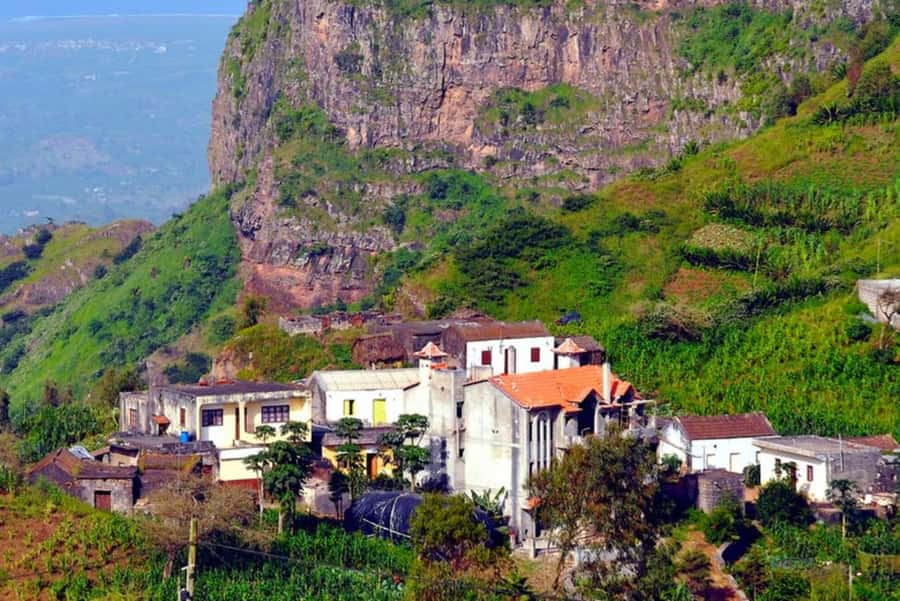
Santiago’s best scenery is often found away from Praia, and this 4-kilometer descent from Rui Vaz delivers exactly that: high valleys, farm plots, eucalyptus trees, and far-off villages with few signs of city life. You keep sight of Mount Pico Antonio as the path drops toward Longueira.
I like the small-group format, which gives guides such as José, Antonio, Orlando, and Maria room to explain local plants and culture. I also like the chance to meet people in Longueira, a remote village where daily life still follows old rural patterns. The main catch is that a moderate downhill walk needs steady footing, even with no uphill climbing.
Key points to know before you go
- Start high at about 850 meters: Rui Vaz gives you cooler air, mountain views, and a very different side of Santiago.
- Walk downhill through working countryside: The route covers about 4 km, with roughly 200 meters of descent and no ascent.
- Keep Mount Pico Antonio in view: The island’s highest point provides a useful landmark along the route.
- Meet rural communities in Longueira: The village visit adds human context to the mountain scenery.
- Expect a guide-led cultural walk: English, French, and Portuguese are available, with guides including José, Antonio, Orlando, and Maria.
- Transport is included: Hotel or harbor pickup and drop-off make this practical from Praia.
From Praia to the high village of Rui Vaz
The outing begins with pickup at your hotel or the harbor, followed by transport inland toward Rui Vaz. This matters because the starting point sits in the upper part of Santiago, far from the urban feel of Praia. You do not need to arrange a separate taxi to reach the trailhead.
Rui Vaz is a rural village at roughly 850 meters above sea level. The higher setting brings a cooler, greener feel than the coast, with eucalyptus and acacia trees growing among farm areas. It is a good place to notice how quickly Santiago changes once you leave the capital behind.
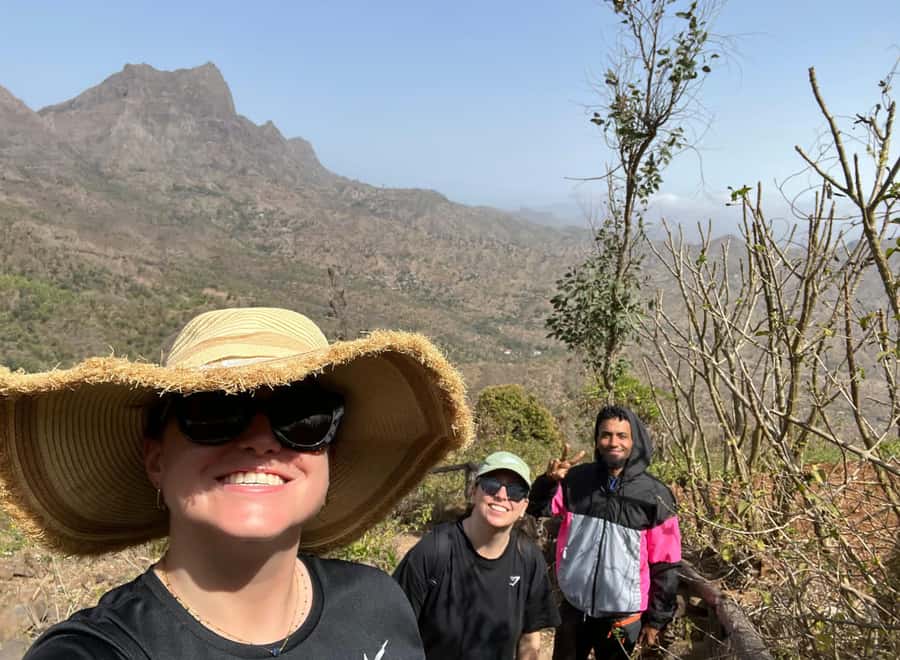
Your guide sets the pace and gives the walk its meaning. José has been praised for sharing stories about Cape Verde, while Antonio has focused on the country’s people, culture, and past. Orlando has explained local plants and island traditions, and Maria has also led the route. The exact guide depends on the date, but the experience is designed around conversation rather than simply following a path.
The group is limited to 10 people, and the outing may operate as a private tour if you are the only booking that day. That smaller scale is useful here. Rural walks can feel flat when a guide rushes through them, but a small group allows more time for questions about farming, plants, music, and village customs.
More Hiking in Santiago
- Serra Malagueta: Principal Valley Hike & Lunch with Locals
★ 4.7 · 64 reviews - Praia: Baobab Mysterious Tree, Green Valley & Old City Hike
★ 4.8 · 53 reviews - Santiago: Calabaceira Valley Trek & Visit to Cidade Velha
★ 4.8 · 49 reviews
Walking down the São Jorge valley
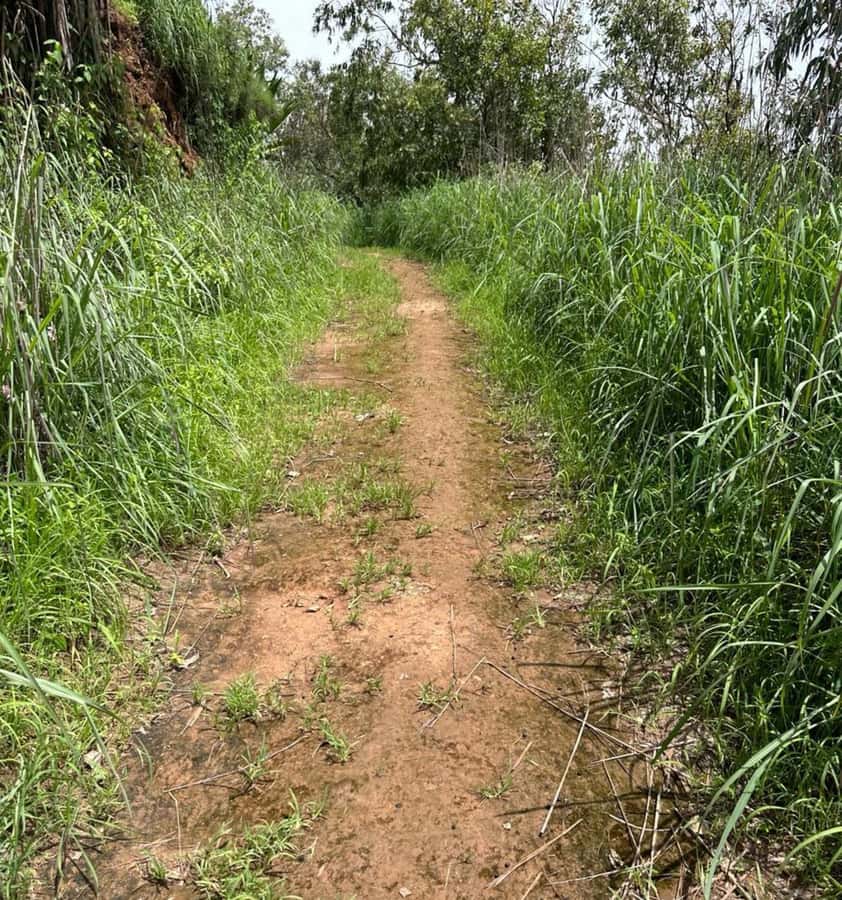
From Rui Vaz, the trail continues down the São Jorge valley through agricultural land and eucalyptus forest. The route is about 4 km long, with no ascent and approximately 200 meters of descent. On paper, that sounds easy. In practice, downhill walking can still work your knees and requires care on uneven ground.
The route is rated moderate, so I would not treat it as a casual stroll in city shoes. Good walking shoes are a sensible choice, especially if the path is rough or conditions have changed. Since the supplied details do not specify the exact trail surface, you should be ready for natural ground rather than a fully paved walkway.
The pace appears to be manageable. One account describes around an hour of walking on a well-maintained path, while the full activity lasts four hours because transport, explanations, the village visit, and other stops are part of the day. That distinction is helpful: you are not expected to walk continuously for four hours.
As you descend, watch for the mix of farmland and tree cover. The agricultural areas show how much work goes into life in Santiago’s interior. Rather than viewing the island only from a scenic lookout, you pass through places where crops, paths, and village routines form part of everyday life.
The trees also change the feel of the walk. Eucalyptus and acacias provide a wooded setting, while openings in the valley reveal hills and volcanic formations. The silence is one of the main rewards. This is not a route lined with shops, cafés, or busy attractions. You come for open space and the chance to hear the countryside without city traffic in the background.
Mount Pico Antonio as your mountain marker
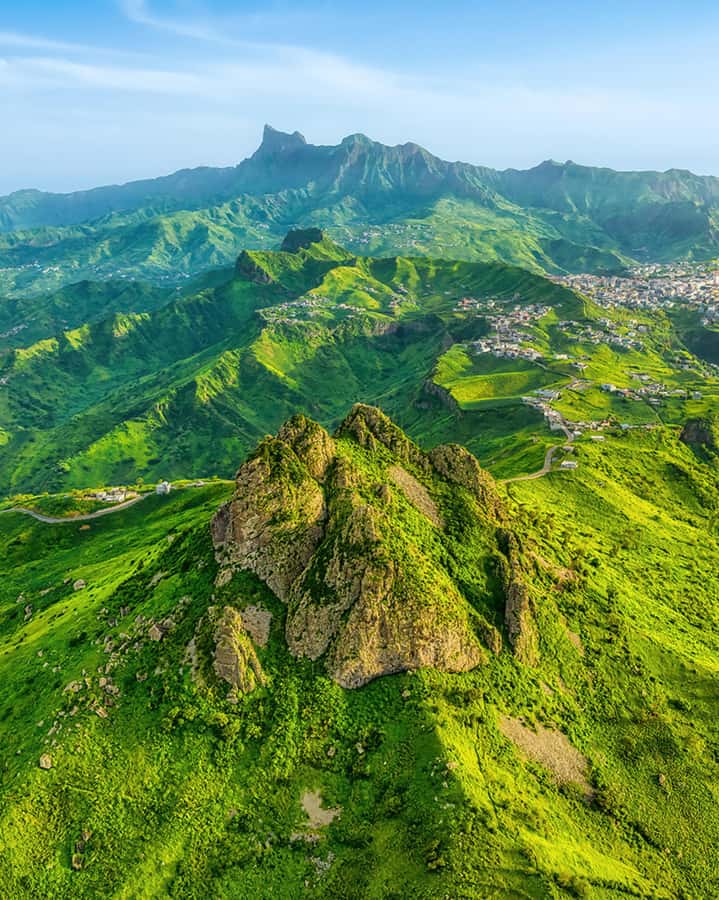
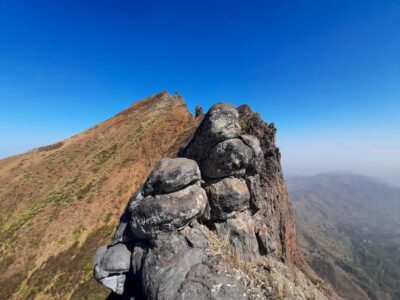
Mount Pico Antonio remains visible during the walk, giving you a steady point of reference. At the island’s highest point, it dominates the views from the upper valley and helps you understand Santiago’s shape.
The mountain is more than a backdrop. It gives the route a sense of direction as you move downward. You begin in the high interior and gradually enter lower rural areas, while Pico Antonio remains above the surrounding valleys. If the weather is clear, this should be one of the most memorable views of the outing.
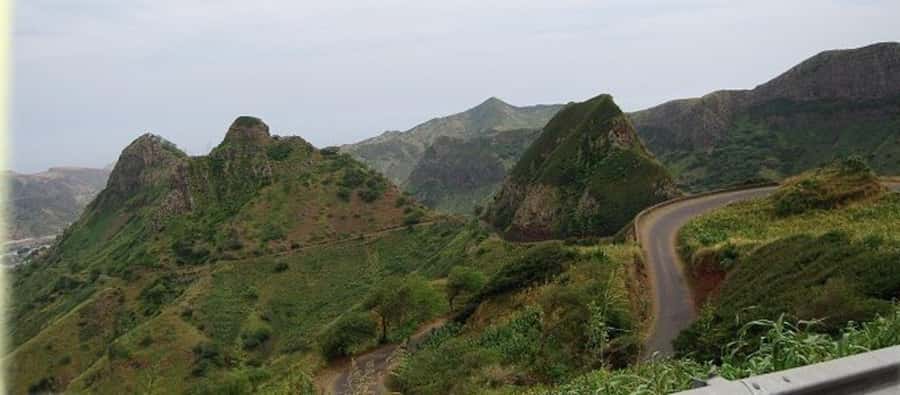
The scenery here is volcanic, but not in a polished postcard way. Expect hills, valleys, dark earth, cultivated patches, and broad views rather than one single dramatic viewpoint. I like that the walk keeps changing as you move. You see the island from several angles instead of stopping once for a photograph and heading back to the vehicle.
The amount of plant life is another reason to listen closely to the guide. The walk passes through areas with eucalyptus, acacias, and other local vegetation. Orlando and José have been especially noted for explaining the plants and the natural setting. If you enjoy botany, ask questions as you go. The guide’s commentary is a central part of the outing, not a small extra.
Meeting the people of Longueira
The route ends in Longueira, an isolated village away from the main tourist circuit. Its importance is not based on monuments or grand buildings. The appeal is the chance to see a rural community that still keeps a traditional way of life.
Your guide can help you understand what you are seeing: how people live in the upper parts of Santiago, how farming fits into the day, and how remote communities stay connected to the rest of the island. This makes the village visit more worthwhile than simply passing through for a quick photograph.
You should approach Longueira with respect and curiosity. It is a living community, not a staged attraction. The experience is strongest when you observe quietly, listen to your guide, and allow time for simple conversations if they arise.
The cultural side can also be lively. One account describes music, local dance, and spontaneous dance steps during the walk. That does not mean you should expect a formal performance. Instead, it suggests that the guide may connect the route with Cape Verdean music and social customs when the moment feels right.
This is where guides such as Antonio and José add real value. Their role is not only to point out a tree or identify a mountain. They help connect the scenery with the people who farm, walk, work, and raise families in these valleys.
More walking routes in Praia:
- Santiago: Monte Tchota Natural Park to Pico d’Antónia Hike
★ 4.8 · 43 reviews - Serra Malagueta Natural Park Hike & Relaxing Swim at Tarrafal Beach
★ 5.0 · 30 reviews - Serra Malagueta Natural Park: Hike to Gongon Valley & Lunch
★ 4.8 · 22 reviews - Fogo Island: Pico do Fogo Volcano Summit Hike
★ 4.6 · 92 reviews
Optional extras and what not to assume
Some outings have included a visit to a rum distillery and a taste of sugar cane. Those details appear in individual accounts of the experience, along with praise for the village stop. Still, the main description of the activity focuses on the hike, transport, guide, rural communities, and Longueira.
For that reason, I would treat the distillery visit and sugar-cane tasting as possible additions rather than guaranteed parts of every departure. Ask when you book or confirm with the operator before setting expectations around them. The supplier is Kapverden Tours, and pickup questions can be handled by email or WhatsApp if your hotel is not listed.
This is a useful point when comparing tours. A four-hour activity can include different amounts of walking and village time depending on the guide, group size, and day’s plan. You may spend more time hearing stories, or you may receive a longer stop in the community. Flexibility is part of the appeal, but it also means the exact rhythm is not as fixed as a museum tour.
What the $82 price delivers
At $82 per person, this is not the cheapest way to spend half a day on Santiago. The price includes hotel or harbor pickup and drop-off, transportation to the mountain area, a live guide, and liability insurance. Those inclusions matter because Rui Vaz is not in Praia, and arranging transport separately could take time and add cost.
You are also paying for access to a part of Santiago that is difficult to understand from the capital alone. The route links the high village, farm country, wooded valleys, mountain views, and Longueira in one outing. A self-guided walk could show you the path, but it would not automatically explain the plants, rural work, island history, or Cape Verdean culture.
The value is strongest for someone who wants context and personal attention. If you only want a short walk with a big viewpoint, you may find a simpler excursion better suited to your budget. If you want a guide who can connect nature with local life, the price is easier to justify.
A small group also improves the value. With no more than 10 participants, the guide can usually keep the walk conversational. If you are the only booking, the tour may become a private outing, as happened for some departures. That can make the $82 feel more reasonable, especially for couples or families who want a flexible pace.
Who will enjoy this walk most
I would recommend this experience to you if you want to see Santiago beyond Praia and the usual coastal stops. It suits people who enjoy moderate countryside walks, village encounters, and conversations about culture.
It is also a good choice if you prefer going downhill rather than climbing. The route has no ascent and drops around 200 meters, but downhill terrain still requires balance and comfortable shoes. If your knees are sensitive, ask about the path and pace before booking.
The walk works well for nature-minded visitors. Eucalyptus forests, acacias, agricultural areas, and mountain views give the guide plenty to discuss. It also suits anyone who wants a quieter outing, since the route is away from the island’s more touristic places.
You may want to choose another activity if you are looking for a strenuous mountain challenge, a long full-day hike, or a route with dramatic technical climbs. The walk is moderate and relatively short. Its strength is the combination of scenery and culture, not athletic difficulty.
It is also worth remembering that the village visit is part of a real community experience. You should not expect a polished attraction with a set show and souvenir stalls. The reward is a closer look at ordinary rural life.
Languages, timing, and practical planning
The tour lasts four hours, though the amount of actual walking is about 4 km. That leaves time for transport, interpretation, pauses, and the visit to Longueira. Check the available starting time when booking, since departures depend on availability.
Guiding is offered in English, French, and Portuguese. If language is important to you, select your preferred option when arranging the tour and confirm it with Kapverden Tours.
Pickup is included from hotels or the harbor. If your hotel does not appear in the pickup list, contact the supplier by email or WhatsApp. This is a small detail, but it can prevent confusion on the morning of the outing.
You can cancel up to 24 hours before departure for a full refund, and the reserve-now, pay-later option lets you hold a place without paying immediately. Those terms are useful if your Santiago plans depend on weather or changing ferry and flight arrangements.
The tour carries liability insurance. Still, you should dress for a moderate outdoor walk, wear proper shoes, and be prepared for sun, wind, or changing conditions in the high interior. The supplied information does not specify food or drinks, so do not assume refreshments are included.
My final take on this Santiago hike
I would book this tour if I wanted a quiet, human-scale look at Santiago’s interior. The route from Rui Vaz to Longueira offers more than mountain views. It shows how farms, forests, villages, music, and local stories fit together.
The strongest part is the guide-led interpretation. José, Antonio, Orlando, and Maria have each brought different strengths to the outing, from plant life and island history to Cape Verdean culture and music. The experience is at its best when you ask questions and let the conversation shape the walk.
Book it if you value rural access, small groups, and a moderate downhill route. Think twice if you want a demanding hike, guaranteed rum tasting, or a tightly timed sightseeing program. At $82, the tour earns its price through transport, guiding, and access to places you would not easily reach on your own.
FAQ
Where does the hike begin?
The walk begins in Rui Vaz, a rural village in the high interior of Santiago at about 850 meters above sea level.
Where does the hike end?
The route ends in Longueira, an isolated rural village that preserves traditional aspects of life in Santiago’s interior.
How long is the walk?
The hike covers about 4 km. It includes approximately 200 meters of descent and no ascent.
How difficult is the hike?
The route is rated moderate. It is downhill, but you should still use suitable walking shoes and be comfortable on a natural trail.
Is transportation from Praia included?
Yes. Hotel or harbor pickup and drop-off, along with transportation, are included.
Which languages are available?
The live guide service is available in English, French, and Portuguese.
Just added in Praia
- Praia: Plateau and Cidade Velha Guided Tour★ 5.0 · 3 reviews
- Private Tour Cidade Velha/Discover OLD CITY★ 5.0 · 4 reviews
- Praia: Baobab Mysterious Tree, Green Valley & Old City Hike★ 4.8 · 53 reviews
- Praia City Tours★ 3.4 · 3 reviews
- The origen of Capeverdean People★ 5.0 · 4 reviews
- Serra Malagueta Natural Park: Hike to Gongon Valley & Lunch★ 4.8 · 22 reviews
- From Praia: Full-Day Guided Fogo Island Tour★ 4.2 · 3 reviews
- Cultural Tour on Santiago Island★ 4.4 · 5 reviews
Hiking & Trekking, compared.
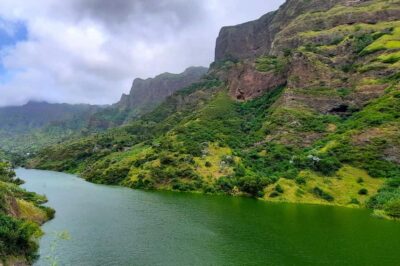
Serra Malagueta: Principal Valley Hike & Lunch with Locals
Read our review →
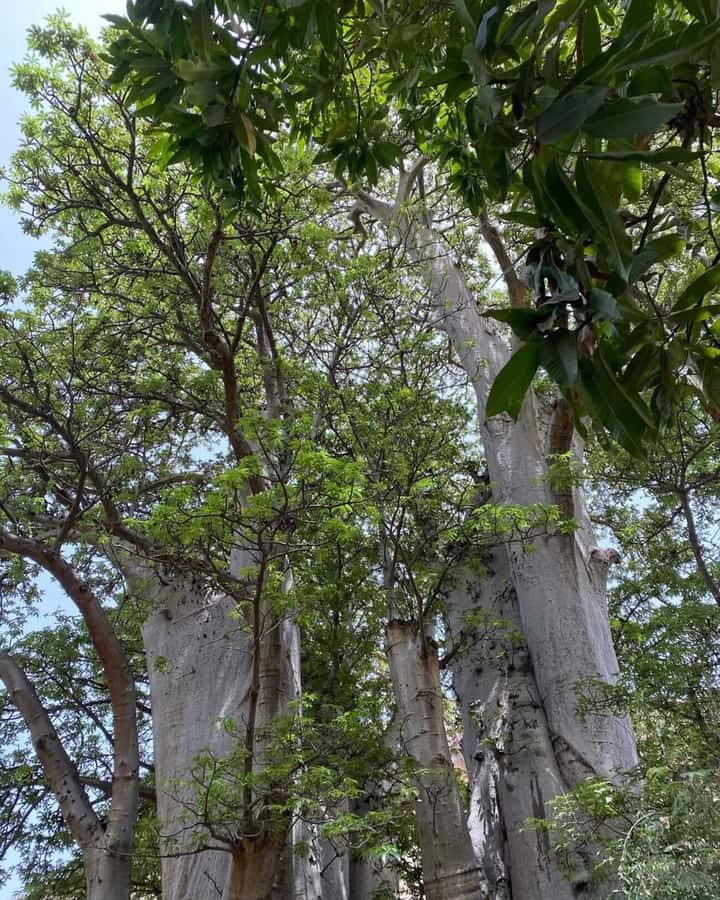
Baobab Mysterious Tree, Green Valley & Old City Hike
Read our review →
Monte Tchota Natural Park to Pico d’Antónia Hike
Read our review →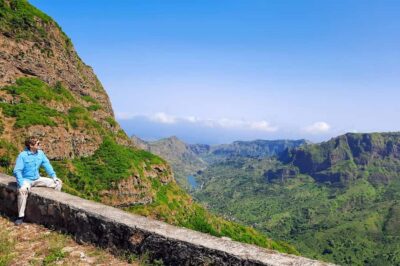
Browse the lists this tour appears in