
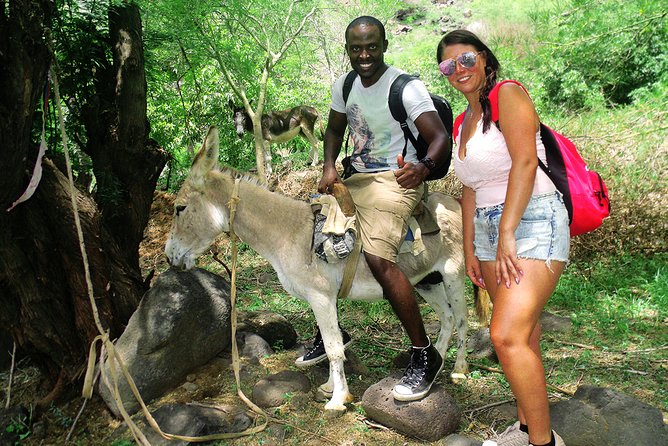
Reviewed · TOURS IN SANTIAGO
Cape Verde: Best Hikking Trails of Santiago Island – 6 Days
Santiago Island is Cape Verde at its most varied. In six days, you move from sugar-cane valleys and mountain trails to Tarrafal’s white beach, old Portuguese forts, rural farms, and Praia’s busy market streets. The tour handles hotels, drivers, airport transfers, entrance fees, and most meals, so you can focus on the island rather than the next taxi.
I like two things here. First, the route mixes proper walking days with culture and free time, so you are not hiking from breakfast to bedtime. Second, the small maximum group of six should make it easier to adjust the pace and ask questions. The main consideration is fitness: Pico d’Antónia is rated difficult, with about 672 meters of ascent, and the schedule is full on several days.
Key points at a glance
- Pico d’Antónia reaches 1,394 meters: This is the physical high point of the trip and the hardest walk.
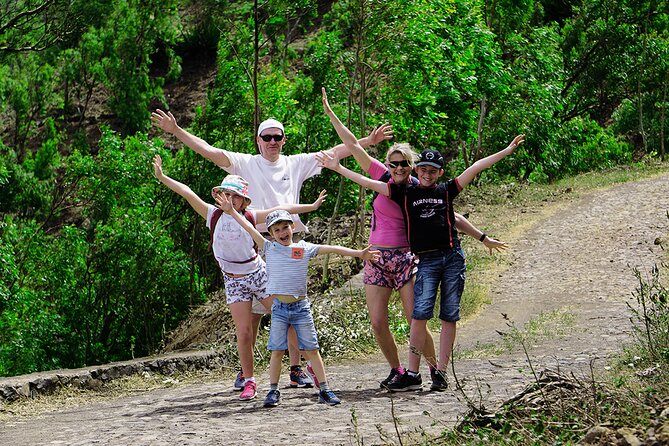
- Calabaceira links nature with local life: Walk through a green valley, see baobabs, and visit a rum-making area during the January to May season.
- Cidade Velha adds major historical weight: Churches, a former slave market, old cathedral ruins, and a hilltop fortress give context to Santiago’s past.
- Tarrafal provides a slower day: You get a full day to enjoy the beach, with an optional visit to the Chão Bom Concentration Camp.
- The trip ends with local food and music: Katxupa at Quintal da Música is available at your own cost, with a local band playing.
- The package covers the practical basics: Five nights, breakfasts, four lunches, transfers, transport, entrance fees, and 24-hour local assistance are included.
Why six days works well on Santiago
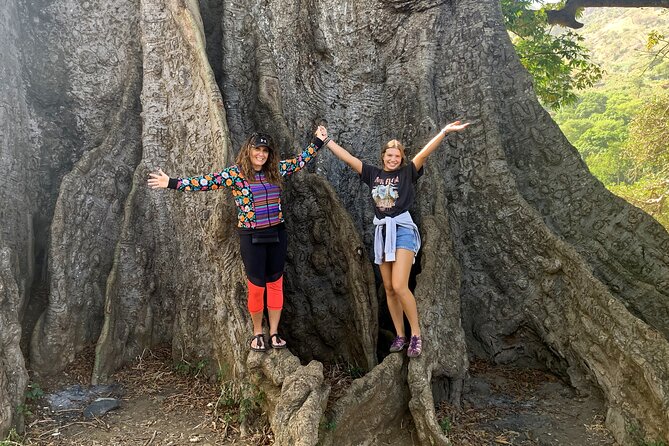
Santiago is the largest island in Cape Verde, and its character changes quickly. Praia feels urban and busy. Inland, the roads climb toward cooler mountain country. Farther north, Tarrafal offers a beach break and a quieter rhythm. This trip gives you a taste of each area without asking you to arrange separate drivers, hotels, hikes, and guides.
The private format is useful here. A group of no more than six can spend more time at a market stall, pause for photographs, or shorten a stop when the heat sets in. The route is not a luxury retreat, though. Several days begin around 8 or 9 in the morning and finish in the afternoon, so bring a hat, sunscreen, water-friendly footwear, and enough energy for long drives and walks.
The stated price is $1,102.91 per person. That is not a low-cost independent trip, but the value improves when you add up five nights of accommodation, airport transfers, luggage transfers, private transport, four lunches, five breakfasts, entrance fees, and guided excursions. You still pay the tourist tax of 2 euros per person per night, flights, visa or airport security charges, dinners not listed, and personal spending.
Other trips people book in Praia:
- Santiago: Landscapes, Street Art, and Markets Day Trip
★ 4.8 · 316 reviews - From Port of Praia: Island Tour for Cruise Ship passengers
★ 4.5 · 190 reviews - Praia & Cidade Velha: Guided City Tour
★ 4.8 · 80 reviews
Day 1: A simple arrival in Praia
Your representative meets you at Nelson Mandela Praia International Airport with a sign showing your name. The airport transfer is short, about 15 minutes, and takes you directly to your accommodation in Praia.
That first evening is intentionally light. You receive information about the stay and can settle in before the walking days begin. This is a useful feature for an island tour, since international arrival times and luggage can make a first day unpredictable.
The itinerary names Praia for the first night, but hotel details and later accommodation arrangements should be confirmed before departure. The trip includes five nights, with time in Praia and Tarrafal, and the provider may replace a hotel with one of similar class if needed.
Day 2: Calabaceira, rum making, and old Cidade Velha

The first full day begins with a drive to Calabaceira, a small village outside Praia. From the top of Ribeira Calabaceira, you follow a trail through a valley where water and agriculture create a striking green pocket in an otherwise dry island setting.
The walk lasts about three hours in the program, though the route file gives around two hours of actual walking. It covers roughly 4.5 kilometers with about 300 meters of ascent and descent. The trail is rated easy, but the beginning is narrow and has a medium incline, so sturdy shoes are wiser than sandals.
Look for baobab trees connected with Charles Darwin and listen for the darker history of the valley, which was used as an escape route by enslaved people. The route also passes farms growing sugar cane, mangoes, cassava, bananas, and other crops. During the rum production season, from January 1 through May 31, you can see local rum production and meet farmers working the fields. Outside those dates, that part of the visit may not operate.
After the walk, Cidade Velha shifts the mood from rural life to Cape Verde’s colonial past. This UNESCO World Heritage site includes the São Francisco Convent, Banana Street, and Nossa Senhora do Rosário Church. A seafront restaurant provides lunch, with fish, meat, or a main dish, dessert, and water listed for included meals.
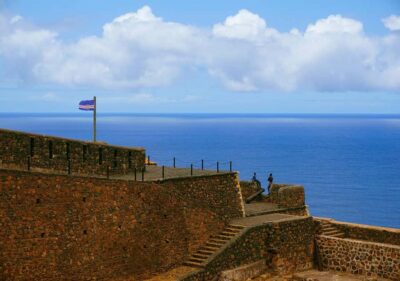
The afternoon continues at the Pelourinho, the former slave market, and the ruins of the Sé Cathedral. At the Royal Fortress of São Filipe, you get a broad view over the old town and learn how the fort helped defend the settlement against pirates.
I like this day because the history is not separated from the scenery. You walk through working farmland, then see the buildings and fortifications shaped by Atlantic trade and slavery. The drawback is pace: three hours on a trail, lunch, and several historical stops make for a busy six-hour day.
Day 3: The serious hike to Pico d’Antónia
Day three is the trip’s main challenge. You drive toward Rui Vaz and Monte Tchota, a high area at about 800 meters with a cooler microclimate and notable plant and bird life.
From there, the route continues toward Pico d’Antónia, Santiago’s highest point at 1,394 meters. The walk is listed as four to five hours, with about three kilometers of route distance, 672 meters of ascent, and roughly 400 meters of descent. The figures suggest a steep climb rather than a long-distance hike, and the difficulty is clearly marked as difficult.
The path is narrow in places, with a medium incline. A picnic stop is planned along the way, including a soft drink, sandwich, and fruit. Near the summit, views may open toward the São Jorge Valley and, weather permitting, Maio and Fogo Island’s volcano.
You need moderate physical fitness for the tour as a whole, but this day deserves special attention. If you dislike steep paths, have trouble with sustained climbs, or are unsure about the rating, ask the provider for a detailed assessment before booking. The short route distance does not make it easy. The ascent is the important number.
The day lasts about six to seven hours and ends with a return through Monte Tchota to your accommodation in Rui Vaz, at Quinta da Montanha according to the schedule. This overnight location gives you a practical base for the high country, though you should confirm the exact hotel arrangements.
Same island, a different sort of day:
- Serra Malagueta: Principal Valley Hike & Lunch with Locals
★ 4.7 · 64 reviews - Praia: Baobab Mysterious Tree, Green Valley & Old City Hike
★ 4.8 · 53 reviews - Santiago: Calabaceira Valley Trek & Visit to Cidade Velha
★ 4.8 · 49 reviews - From Praia: Boat Trip, Snorkeling, Cave & BBQ on the Beach
★ 4.6 · 45 reviews
Day 4: Assomada, Serra Malagueta, and Tarrafal
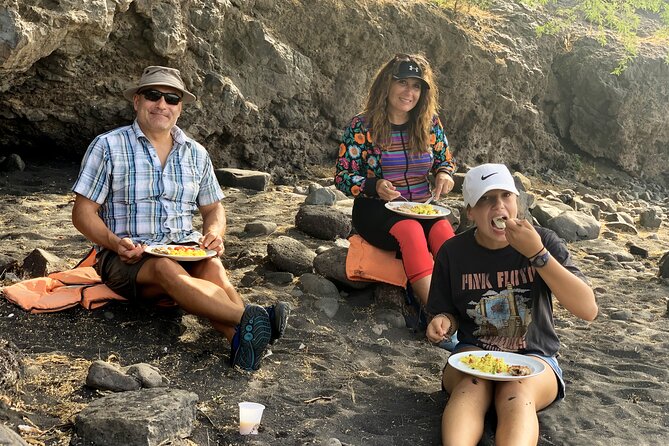
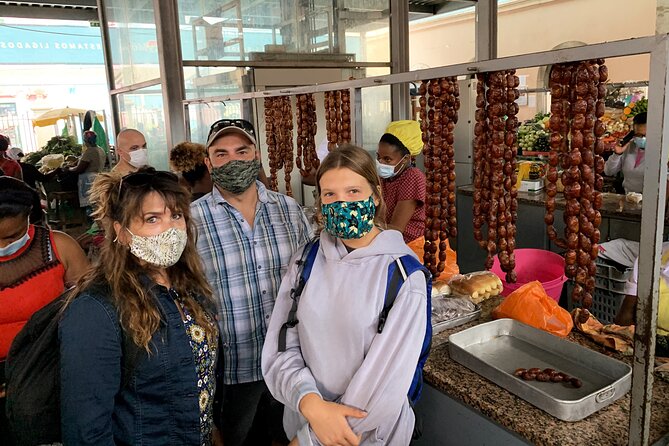
The fourth day connects central Santiago with the north. It begins at Assomada Market, but there is an important scheduling catch: the market visit is offered only on Wednesdays and Saturdays. If your dates do not match, confirm what replaces this stop.
At the market, you can watch local shopping and bargaining over produce. It is a short, direct way to see daily life rather than a staged cultural show. Afterward, the road climbs to Serra Malagueta Natural Park, covering about 774 hectares.
The park walk lasts three to four hours and covers around 4.2 kilometers, with about 200 meters of ascent and descent. It is rated easy, with a flat, wide, safe path. The area contains more than 124 plant species and 19 bird species, and you might see monkeys, reptiles, and butterflies.
This is a good contrast with Pico d’Antónia. You still get mountain scenery and nature, but the trail should be less demanding. A scenic rest and meal break are planned during the walk. Vegetarian food is available by request, which is worth arranging before departure.
After the trail, you continue to Tarrafal Beach. The beach stop lasts about an hour and a half, giving you time to sit by the shore before being taken to your accommodation in Tarrafal. The full day runs from roughly 9 a.m. to 5 p.m., so take swimwear, a towel, sandals or flip-flops, and sunscreen.
Day 5: A free beach day with a serious historical option
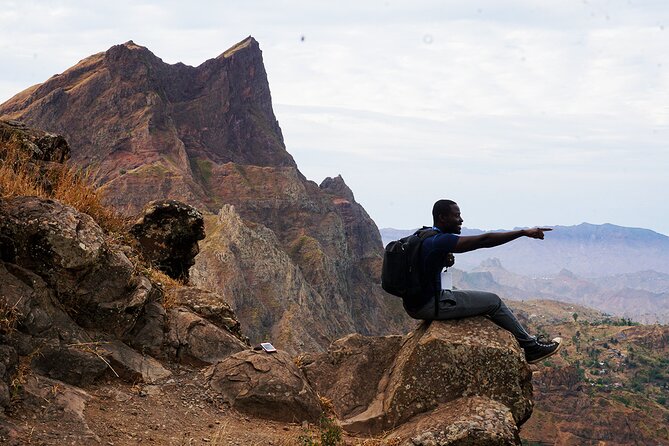
Day five is deliberately unstructured. After breakfast, you have about seven hours to enjoy Tarrafal Beach on your own. Its white sand and clear water make this the best chance to slow down, swim, or simply do nothing for a while.
You may also visit the Chão Bom Concentration Camp, now a resistance museum. It was used to imprison political prisoners who opposed the dictatorship. The optional visit adds difficult but important political history to a day that might otherwise be only about sun and water.
This free day is one of the strongest parts of the plan. Guided tours can make every hour feel occupied, and Tarrafal is a better place when you are allowed some breathing room. The tradeoff is that the package does not spell out every independent activity, meal, or transport detail for this day, so ask your local representative for help if you want to visit the museum.
Day 6: Rabelados, plantations, and Praia’s final tastes
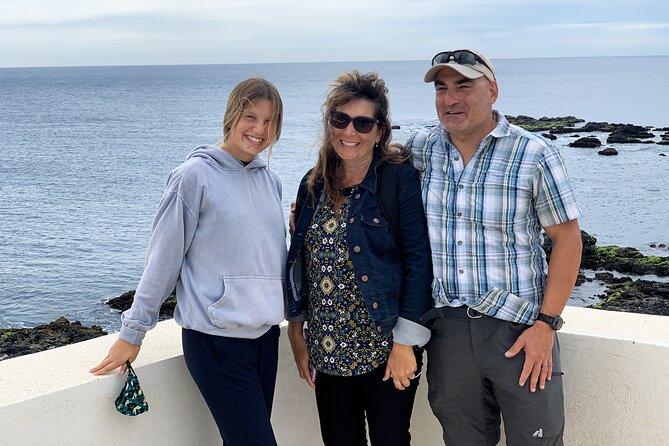
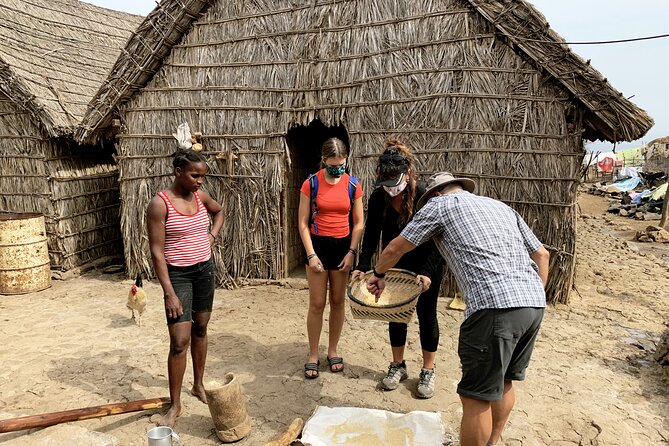
The final day heads back along Santiago’s east coast. At Espinho Branco, you visit the Rabelados religious community, described as the only community on the island still living in thatched houses and preserving older customs and beliefs.
The stop lasts about two hours and includes local handicrafts. You may buy handmade paintings directly from artisans. Approach this visit with respect: listen first, ask before photographing people or homes, and treat purchases as support for local work rather than souvenirs grabbed in a hurry.
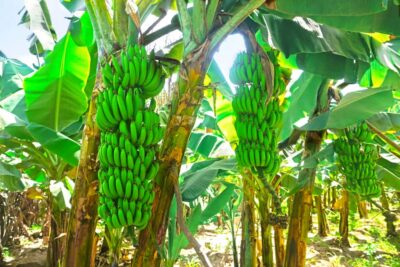
Next comes Santa Cruz, home to the country’s largest banana and coconut plantation according to the tour details. A short walk through the agricultural fields lets you see fruit varieties and other plants while a local guide explains the farming area. This stop helps connect the food on your plate with the work behind it.
Back in Praia, you walk through the Plateau district. The route passes the Jaime Mota Military Barracks, the Presidential Palace, and Alexandre Albuquerque Square. At the Municipal Market, open except Sundays, you can see local fruit and vegetables and get a better sense of ordinary household shopping.
The food finish is Katxupa, Cape Verde’s national dish. One meal is described at Casa Katxupa, while the final stop is Quintal da Música, where Katxupa is available at your own expense alongside traditional live music. Since dinner is not included, carry local currency or confirm accepted payment methods with the provider.
The airport transfer follows, with a scheduled 15-minute ride to Nelson Mandela Praia International Airport. Keep your flight time in mind. The day includes several stops, and the schedule can change, so do not plan a tight connection without confirming the pickup time.
What the package covers, and what it does not
The package includes five nights of accommodation, five breakfasts, four lunches, private arrival and departure transfers, luggage transfers, hotel pickup and drop-off for the tours, entrance fees, taxes connected with the tour, and 24-hour local assistance.
Meals are kept partly flexible. Included lunches cover a main dish such as fish or meat, dessert, and water. Picnic food includes a sandwich, fruit, and soft drink. Not every dinner is covered, which lets you choose restaurants near your accommodation, but it also means the final price will be higher than the headline figure.
The tourist tax is 2 euros per person per night. Flights, visa or TSA charges, personal expenses, and services not listed are extra. You can cancel for a full refund up to six full days before the start time. Cancellation two to six full days ahead receives a 50 percent refund, while cancellation less than two full days ahead is not refunded.
Who should book this Santiago tour?
I would choose this tour if you want Santiago’s main regions in one organized trip and prefer not to negotiate transport for every mountain, village, and beach. It suits active couples, families with a reasonable fitness level, and small groups that want local food and culture alongside hiking.
I would think twice if you want a pure trekking holiday. Only some days are devoted mainly to hiking, and day five is free time. I would also hesitate if Pico d’Antónia sounds beyond your ability, unless the provider confirms a suitable alternative.
The strongest features are the personal scale, the mix of walking and culture, and the care taken with airport transfers and meals. Past personalized trips have involved local team members named Admilson, Rita, and Walter, with one account specifically praising the guide’s combined role as guide, photographer, and driver. Those names suggest a hands-on local operation, but confirm who will lead your own departure.
FAQ
How long is the tour?
The experience lasts six days and includes five nights of accommodation.
How difficult are the hikes?
Calabaceira and Serra Malagueta are rated easy. The Pico d’Antónia route is rated difficult, with four to five hours of walking, about 672 meters of ascent, and roughly 400 meters of descent.
Is airport pickup included?
Yes. Custom private arrival and departure airport transfers are included, along with luggage transfers.
Are meals included?
Five breakfasts and four lunches are included. The picnic includes a soft drink, sandwich, and fruit. Dinner and some other meals are not included, including the Katxupa meal at Quintal da Música.
When can I visit Assomada Market?
The Assomada Market visit is available only on Wednesdays and Saturdays. Confirm your date before booking.
What should I bring?
Bring sandals or flip-flops, a towel, a hat, swimwear, and sunscreen. Sturdy walking shoes are also sensible for the mountain trails.
Should you book it?
Book this six-day route if you want a well-organized first look at Santiago, with serious scenery, local agriculture, major historic sites, and enough beach time to keep the pace human. The value is strongest for anyone who would otherwise need to arrange five nights, several private drives, multiple hikes, meals, and entrance tickets separately.
Before paying, confirm the hotel sequence, the exact guide, the Pico d’Antónia plan, and the Assomada market date. If those details suit you and you can handle the difficult mountain day, this is a practical way to experience Santiago beyond Praia.
Just added in Praia
- Hiking Águas Belas Cave★ 4.5 · 3 reviews
- Tour Old City/Discover Old Town★ 4.0 · 8 reviews
- Santiago Island: 4-Hour Calabaceira Valley Hike & Guided Tour to Cidade Velha★ 5.0 · 18 reviews
- Santiago Island: Private Airport Transfer to Praia or Vice Versa★ 5.0 · 3 reviews
- Ribeira da Barca: Boat Trip to the Cave, Snorkeling and BBQ on the beach★ 5.0 · 10 reviews
- Private Tour of Santiago – Discover the Island★ 4.5 · 18 reviews
- Tarrafal Beach Tour: Boat Trip to the Lighthouse, Snorkel & BBQ Lunch★ 5.0 · 5 reviews
- Best of Santiago Island: Cidade Velha, Workshop & Tarrafal Beach Tour★ 4.5 · 3 reviews
Tours in Santiago, compared.
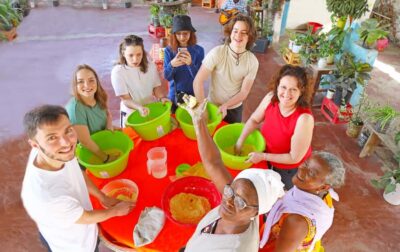
Santiago Island Tour with Tastings and Tarrafal Beach
Read our review →
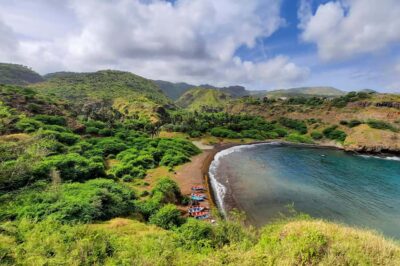
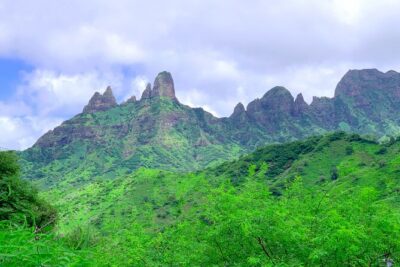
Santiago Island Tour: Meet with a Local Family & Tarrafal Beach
Read our review →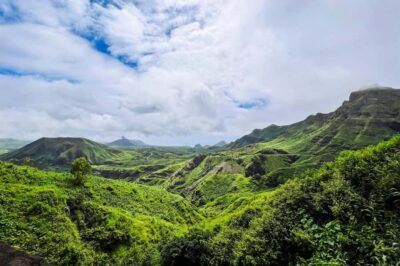
Island tour with German-speaking guide for cruise guests
Read our review →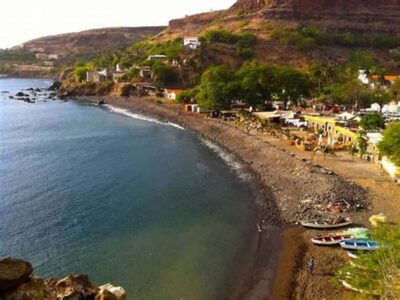
Browse the lists this tour appears in