
Reviewed · FOGO VOLCANO TOURS
Santo Antão: Hiking Cova Volcano Crater to Ribeira Paúl
The great appeal here is the change under your feet and eyes. You begin high in Cova Natural Park, looking into an extinct volcanic crater, then work down toward the green valley of Paul, where sugarcane, bananas, mangoes, avocados, and coconut palms fill the slopes. It is one of Santo Antão’s most memorable walks because the scenery keeps changing.
I like the combination of big mountain views and working farms, and I like that the hike includes a traditional distillery rather than ending with scenery alone. Guides such as Maira, Lea, Edy, Ravi, and Riva have been praised for sharing useful details about island life and native plants. The main caution is the weather: wind, rain, cloud, and loose rock can make parts of the route unsafe, and the steep drop-offs are not a good match for anyone afraid of heights.
Key points to know before booking
- Start high in an extinct volcano: The route begins around 1,100 meters above sea level inside Cova Natural Park.
- Finish in Paul’s famous green valley: The walk changes from open crater views to dense tropical vegetation and cultivated terraces.
- Expect a steep zigzag trail: The route is described as accessible for hikers in reasonable condition, but it still includes elevation change and exposed sections.
- Grogue is part of the experience: You visit a traditional rum distillery and taste Cape Verde’s local sugarcane spirit.
- Guide quality matters: Guides including Maira, Lea, Edy, Ravi, and Riva have received strong praise for local stories, plants, and careful support.
- Weather can alter the day: Storms, high wind, rain, cloud, and rockfall may force a shortened hike or a missed distillery visit.
Starting above 1,000 meters in Cova Natural Park
Your hotel pickup and transport are included, which matters on Santo Antão. The trailhead is high in the mountains, and having a vehicle handle the approach saves you from arranging separate transport to a remote starting point.
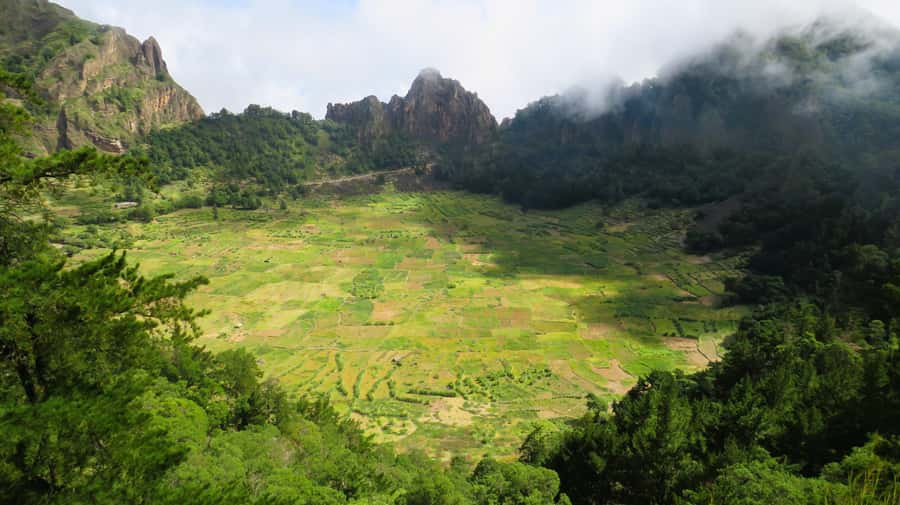
Cova Natural Park gives the hike a strong opening. Rather than beginning among houses or beside a road, you start near the inside of an extinct volcano. Vegetation grows within the crater, creating an unusual mix of high mountain scenery and cultivated ground. At roughly 1,100 meters above sea level, the air and views feel very different from the tropical valley below.
Your guide should help you understand what you are seeing instead of simply pointing out the route. The information provided for this hike focuses on local vegetation, stories, facts, and legends. That adds real value because the plants are not just decoration. They show how people use the land and how farming changes with altitude.
The crater is also a good place to judge the day’s conditions. Cloud can move across the high ground, and strong wind can affect both visibility and footing. If the weather looks poor at the start, ask your guide what sections may be changed or skipped. One difficult outing was badly affected by wind, rain, cloud, and possible rockfall, with much of the walk abandoned for safety. That is not a minor issue on a route with exposed slopes.
Other island crossings from Cape Verde:
- Fogo Island: Pico do Fogo Volcano Summit Hike
★ 4.6 · 92 reviews - 1. A day on FOGO Island to discover VOLCAN
★ 5.0 · 17 reviews - São Filipe: Fogo Volcano with Wine and Cheese Tasting
★ 4.0 · 9 reviews
The first views toward the ocean and Paul Valley
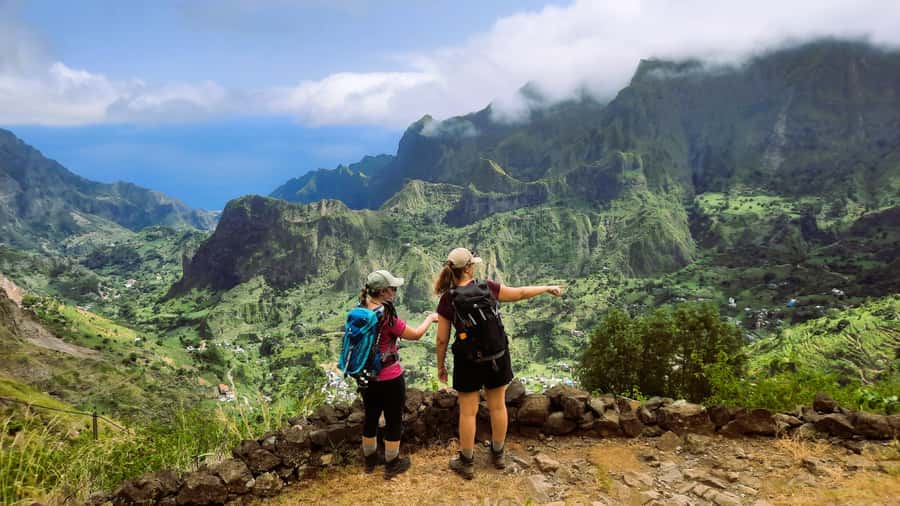
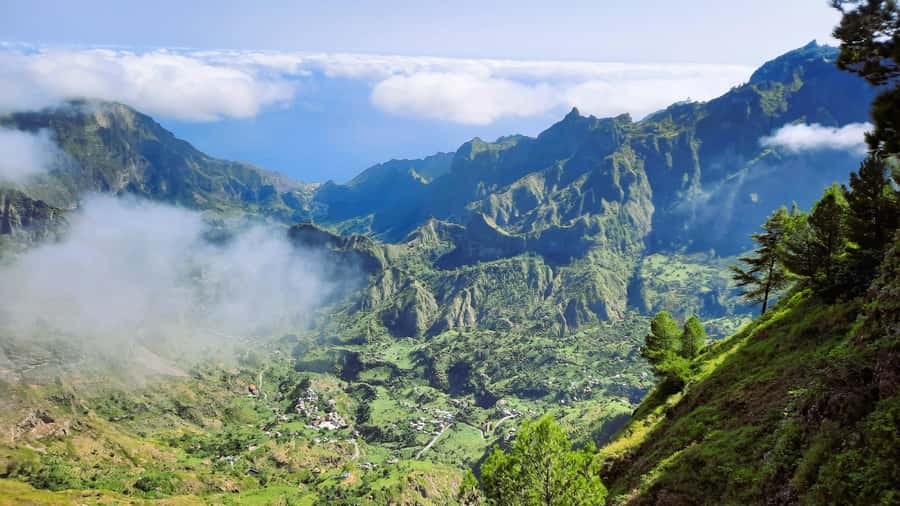
As you move along the trail, the views open toward the ocean and the Paul Valley. The route includes a dramatic viewpoint above the valley, with the ocean said to be about 10 kilometers away. This is the point where the scale of Santo Antão becomes clear: high mountain walls, cultivated slopes, and the sea all fit into one view.
You will want time here. This is not a place to rush through while keeping your eyes on the next turn. The guide can explain the area and point out features that are easy to miss when you are focused only on the path.
The height also brings the main physical and emotional challenge. The trail has zigzag sections and can feel exposed. You do not need technical climbing equipment based on the supplied information, but you should be comfortable walking on a mountain path with steep drop-offs. The tour is not suitable for children under 12, and it is specifically not recommended for people afraid of heights.
I would treat proper shoes as essential, not optional. The operator asks you to bring hiking shoes, a hat, and sunscreen. Those are sensible basics for a route that moves from open, sunny ground into shaded vegetation and back again. Bring water and food as well, since meals and drinks are not included.
The zigzag descent into Ribeira Paul
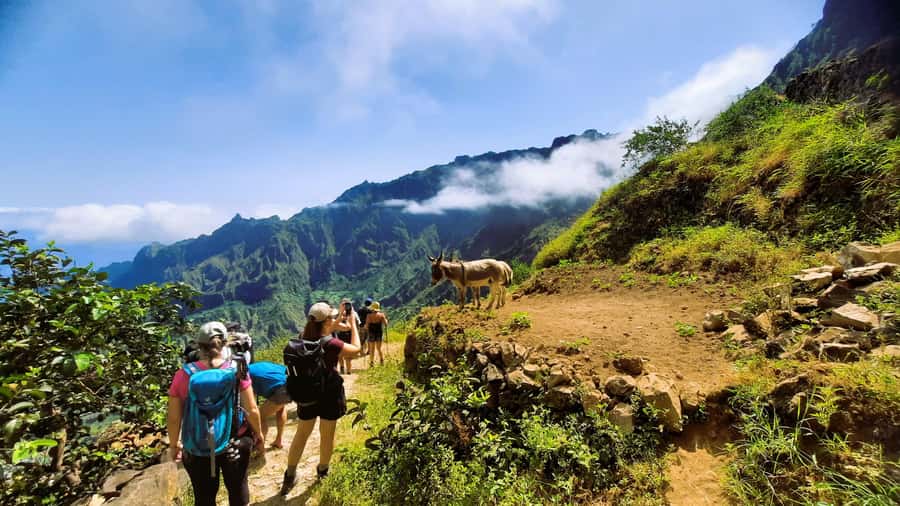
The central part of the hike is the long zigzag route toward Ribeira Paul. This is where you trade the open high-country views for a closer look at Santo Antão’s farming life.
The route passes plantations of sugarcane, banana, mango, avocado, coconut, and other crops. You may also see coffee beans among the vegetation. One guide, Maira, has been especially praised for explaining these plants and describing life in the mountains. The chance to taste a few fruits along the way has also been part of the experience.
That detail is important. This is not simply a walk through untouched countryside. The Paul Valley is productive farmland, and the route lets you see how much food can be grown on steep ground. Your guide’s explanation helps connect the plants to daily life rather than leaving you with a pretty but thin view of the valley.
The walk is described by one recent participant as very accessible, but you should read that in context. A five-hour mountain hike still calls for steady footing and some stamina. The zigzags reduce the harshness of a direct descent, yet they do not remove the effort. If you are used to ordinary city walks, give yourself time and wear shoes with a firm sole.
The pace may also depend on your group. Private and small-group options are available, so you can ask about the format when booking. A small group usually makes it easier to stop for plant explanations, questions, photographs, and short rests without holding up a large crowd.
A working valley, not just a viewpoint
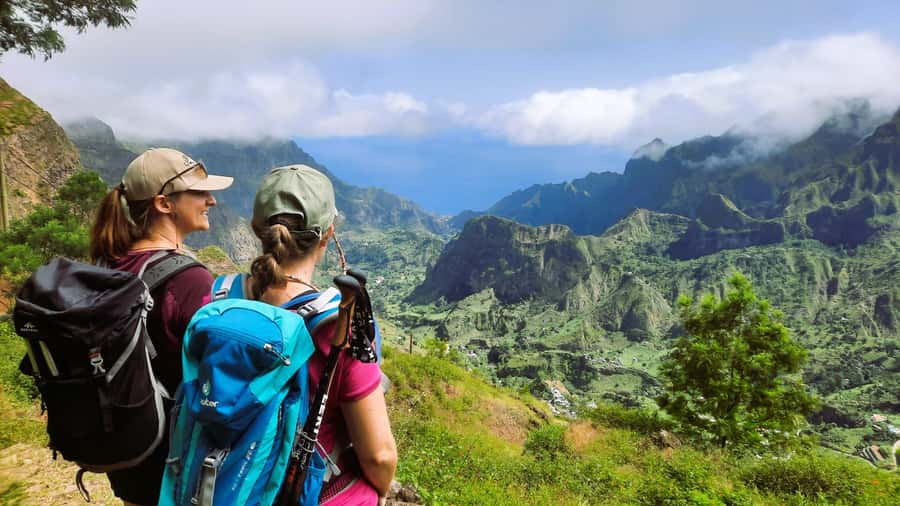
The most satisfying part of the route is the transition into Paul Valley. From above, the valley looks intensely green. On the path, you begin to understand why: tropical crops fill the slopes, and the vegetation becomes thicker as you lose altitude.
I like this section because it gives the walk a human scale. You are not only looking at a distant view. You are passing plantations and seeing how the ground is used. Sugarcane is especially important because it connects directly to the final stop, the local rum distillery.
The valley also gives your guide plenty to discuss. The tour is designed around stories and facts about the region, and the guide’s personality can shape the day. Edy has been praised for being prepared and kind, while Ravi and Riva have also received strong praise for explaining the island. Maira has been noted for her plant knowledge and descriptions of mountain life. These names are useful to know, but guide assignments can change, so you should not book on the assumption that one particular person will lead your group.
The driver is part of the practical side of the experience. Careful driving was specifically appreciated on one outing, which is worth noting on Santo Antão’s mountain roads. Pickup starts about 10 minutes before the scheduled beginning, so be ready early at your hotel.
A few more things to do in Cape Verde worth a look
- From São Vicente: Santo Antão Day Trip with Local Guide
★ 4.7 · 101 reviews - Santo Antão Highlights: Day Trip by Car with Ferry from SV
★ 4.8 · 84 reviews - Santo Antão: Day Trip by Car or Trek
★ 5.0 · 72 reviews - Santo Antão: Full Day Island Tour & Visit to Cova de Paúl
★ 4.8 · 54 reviews
Tasting grogue at a traditional distillery
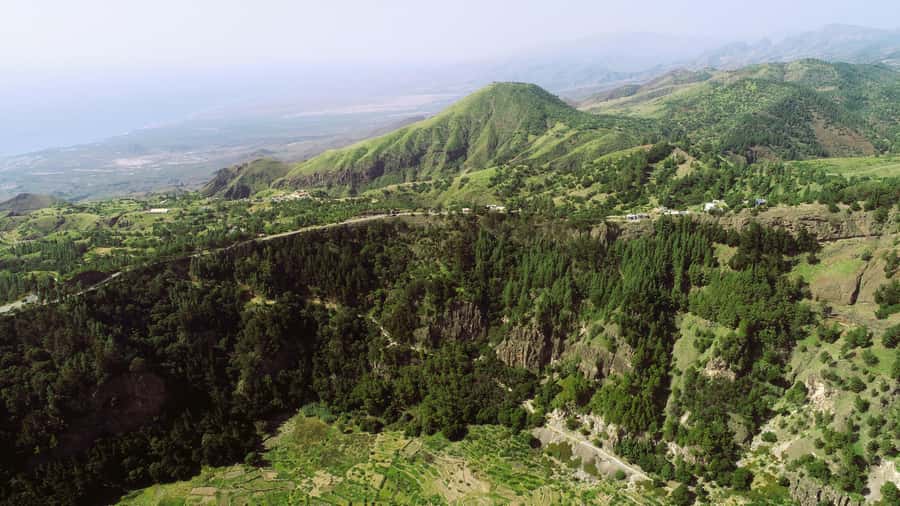
The distillery stop gives the hike a clear local finish. Grogue is a Cape Verdean rum made from sugarcane, and you can taste it after seeing how the drink is produced in a traditional setting.
This is a small but valuable part of the day. A scenic viewpoint can be enjoyed almost anywhere, but a distillery connects the valley’s crops to a local product. You have just walked past sugarcane, and now you see how that crop becomes a drink associated with Cape Verde.
The tasting is included in the planned experience, but food and other drinks are not included. Do not treat the tasting as lunch. Bring your own snacks and water, especially because the walk lasts about five hours.
Weather can affect this stop. During one outing in stormy conditions, the group missed the distillery entirely after abandoning much of the route for safety. That is a sensible decision in dangerous weather, but it shows why you should think of the distillery as an important feature rather than a guarantee in every condition.
If you do not drink alcohol, the hike still has plenty to offer through the crater, valley, plants, and stories. If you do enjoy local drinks, the stop adds a memorable taste of place without turning the day into a bar tour.
What the five-hour timing really means
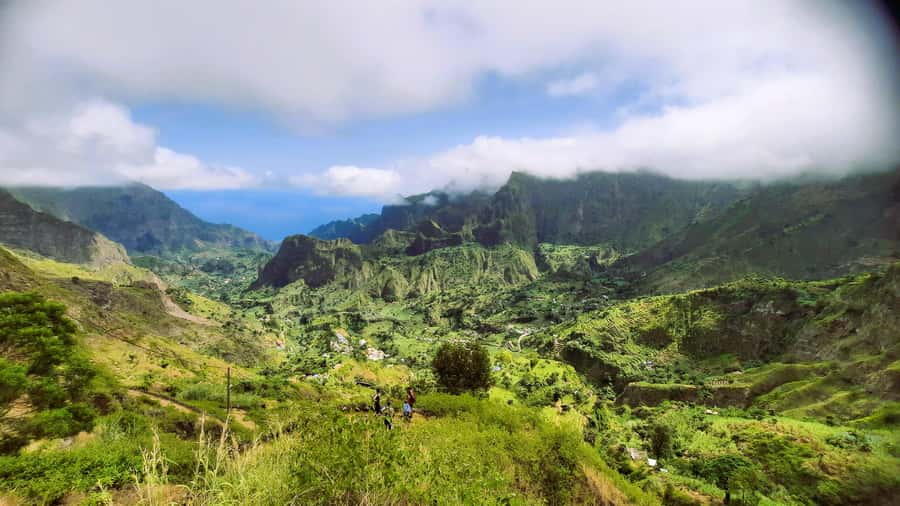
Five hours sounds manageable, and it is a reasonable length for a half-day mountain outing. Still, the clock includes more than nonstop walking. You have transport, viewpoints, explanations, plantation sections, and the distillery stop. The exact balance between walking and stopping will depend on the group and weather.
The route is best for someone who wants a full outdoor morning or afternoon rather than a quick photo stop. You should have enough time to enjoy the views, but not so much time that the day becomes a slow rural stay.
Starting times vary, so check availability when you book. Pickup is included, and the tour can be arranged as a private outing or in a small group. English, French, and Portuguese guides are available. Language matters here because the local stories and plant explanations are a major part of the value.
The most important timing advice is to avoid treating this like a fixed machine. Mountain weather can force changes. A careful guide may stop, turn back, or skip the valley section if wind, rain, cloud, or rockfall creates a real risk. I would much rather lose a viewpoint or tasting than push ahead in unsafe conditions.
Is $100 a fair price?
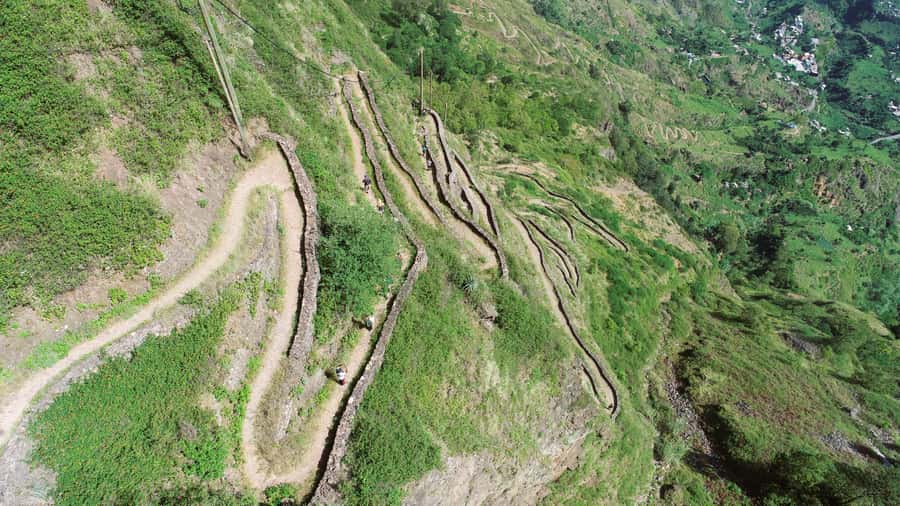
At $100 per person, this is not the cheapest way to see Santo Antão, but the price includes several practical services: hotel pickup and drop-off, transport, a tour guide, and liability insurance. It also combines a high mountain route, local interpretation, and a distillery stop in one five-hour outing.
The value is strongest if you want an organized day and do not want to arrange mountain transport yourself. It is also a good fit if you want more than directions. A guide can explain the crops, local stories, legends, and the way people live in the mountains. Those details are difficult to gain from a trail map alone.
The price is less compelling if you only want a short walk or if you are comfortable arranging your own transport and hiking independently. You also need to accept that weather may reduce what you receive on the day. One poor-weather outing lost most of the hike and the distillery visit, which led to a disappointing experience despite a helpful guide.
Flexible booking helps. You can reserve now and pay later, and cancellation is free up to 24 hours before the start time. Those terms are useful if your Santo Antão plans depend on ferry connections or changing mountain weather.
Who should book this hike?
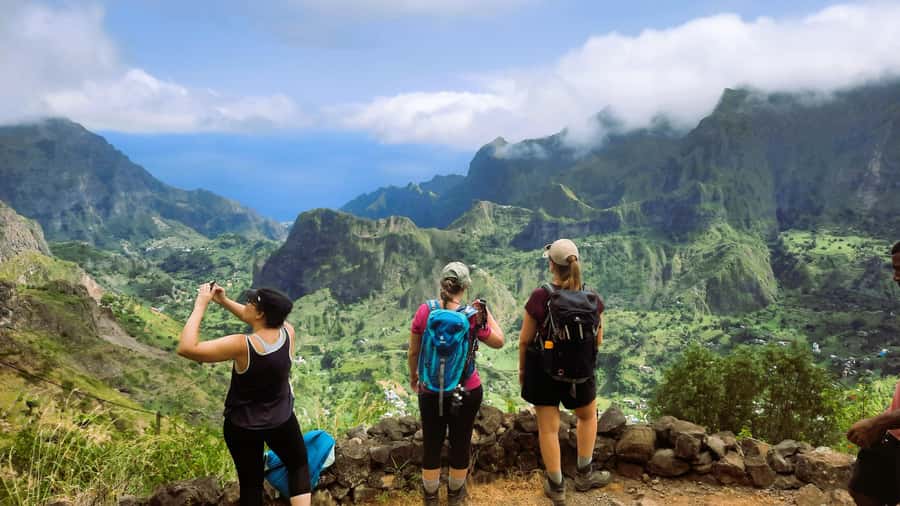
I would recommend it to you if you want Santo Antão’s most famous type of scenery in one outing: crater, ocean view, steep mountain path, tropical farmland, and local rum. It suits hikers over 12 who can manage a five-hour route and are comfortable around heights.
It is especially good for you if you value explanation as much as scenery. Guides such as Maira, Edy, Ravi, Riva, and Lea have been praised for kindness, care, and useful information. The best moments may come while you are looking at an ordinary crop and learning why it matters locally.
I would hesitate if you dislike steep trails, exposed slopes, or unpredictable mountain weather. I would also ask careful questions about pickup before the day begins. One serious administrative problem occurred when an updated pickup location was not passed to the guides, leaving the customer and guides trying to find each other for two hours. The guides tried to help, but the office communication failed. Confirm your pickup place again, ideally in writing, and be ready at least 10 minutes early.
Final decision: book it for scenery and local context
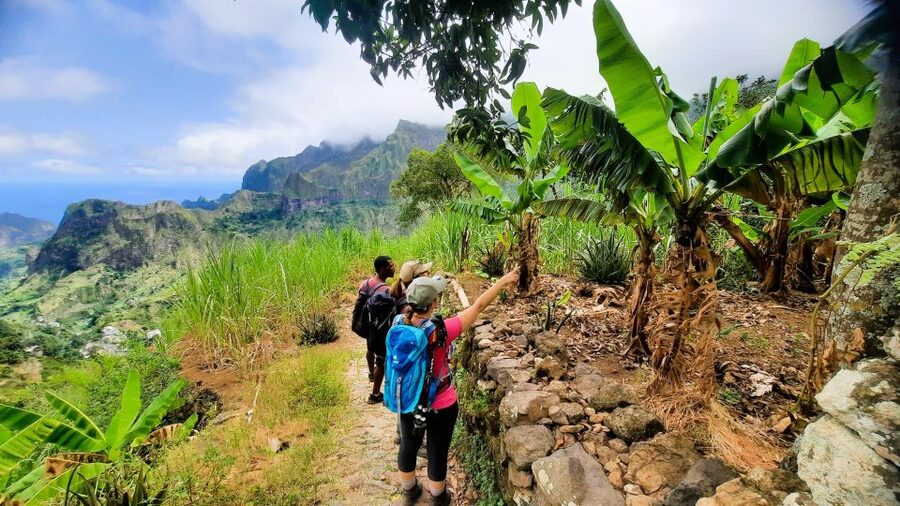
Book this hike if you want a guided introduction to Santo Antão that links scenery with daily life. The Cova crater opening, the view toward Paul Valley, the tropical plantations, and the grogue stop create a varied half-day rather than a single viewpoint.
Book with realistic expectations. Weather can shorten the route, the terrain includes heights, and the office should confirm your pickup details clearly. If conditions are safe and your guide is as helpful as Maira, Edy, Ravi, Riva, or Lea have been, the $100 price gives you a practical way to experience one of the island’s signature routes.
FAQ
How long does the Cova crater to Ribeira Paul hike last?
The activity lasts about five hours, including the guided hike, stops, and the distillery visit when conditions allow.
Where does the hike begin?
The hike begins in Cova Natural Park, near an extinct volcano crater at about 1,100 meters above sea level.
Where does the route finish?
The route heads toward Ribeira Paul and the green Paul Valley.
Is hotel pickup included?
Yes. Hotel pickup and drop-off are included, and pickup begins about 10 minutes before the scheduled start.
What languages are available for the guide?
Guides are available in English, French, and Portuguese.
Is the tour private?
Private and small-group options are available.
Is food included?
No. Food and drinks are not included. You should bring water, snacks, a hat, hiking shoes, and sunscreen.
Can I taste grogue during the tour?
Yes. The planned route includes a visit to a traditional distillery and a taste of grogue, the local sugarcane rum. Bad weather may cause this stop to be missed.
Is this hike suitable for children?
The activity is for people over 12 years old. Children under 12 are not suitable for this experience.
Is the hike suitable for someone afraid of heights?
No. The route includes exposed mountain sections and is not recommended for people afraid of heights.
What happens if I need to cancel?
You can cancel up to 24 hours in advance for a full refund. You can also reserve now and pay later.
More hiking in Cape Verde
- Beaches, Villages and Monte Verde (excludes city)
★ 4.9 · 87 reviews - Serra Malagueta: Principal Valley Hike & Lunch with Locals
★ 4.7 · 64 reviews - Santiago Island: Serra Malagueta & Tarrafal Beach Trek Tour
★ 4.8 · 61 reviews - Santiago: Calabaceira Valley Trek & Visit to Cidade Velha
★ 4.8 · 49 reviews
Just added in Cape Verde
- Boavista: Santa Monica beach, Varandinha cave, Sand dunes★ 4.4 · 16 reviews
- Boavista: City Tour with a Splash at Estoril Beach★ 4.2 · 3 reviews
- Boat Trip to Aguas Belas Cave+Barbecue★ 5.0 · 6 reviews
- Boavista: 4×4 Island Tour, Santa Monica, Dune, Caves & Lunch★ 5.0 · 15 reviews
- Boavista: 4h Shipwreck, Desert, Fatima Chapel & Pottery Tour★ 4.3 · 5 reviews
- Boa Vista: Shipwreck, 4×4 Ride & Caves Day Tour with Lunch★ 5.0 · 3 reviews
- Boa Vista: Shipwreck, Viana Desert & Sal Rei Tour★ 4.6 · 20 reviews
- Boa Vista Sunset Dinner with Live Music★ 4.4 · 8 reviews
Fogo Volcano Tours, compared.
Browse the lists this tour appears in