
Reviewed · HIKING & TREKKING
Santiago: Longueira, Pico de Antónia & Monte Tchota Trek
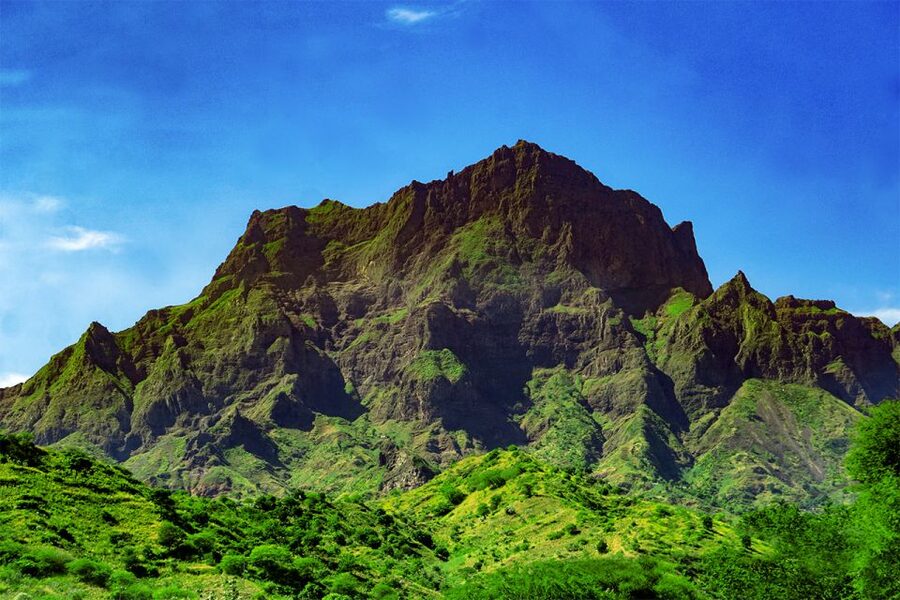
Pico de Antónia is Santiago’s high point, and reaching it means tackling a real mountain walk rather than a gentle sightseeing stroll. The day begins in Longueira, with a grogue distillery, local village life, and a school visit, then climbs through open country toward views of Maio and Fogo Island.
I like the mix of local contact and serious hiking, plus the practical touch of hotel pickup, a picnic, and walking sticks when available. The guides, including Ricardo, Djibril, and Admilson Garcia, are praised for being friendly, attentive, and helpful on steep or slippery sections.
The catch is simple: this is a difficult to very difficult trek. Five hours uphill is a major effort, and the narrow, tilted trail can be slippery on the descent. You need proper hiking shoes, water, sun protection, and enough fitness to handle a long mountain day.
Key points to know before booking
- Reach Santiago’s highest summit: Pico de Antónia rises to about 1,390 to 1,394 meters, with wide views over the São Jorge Valley.
- Start with village life in Longueira: Visit a grogue distillery, the primary school, and Lemba Lemba Bar.
- Choose between two route levels: The longer route covers about 9 kilometers and takes roughly six hours, while the shorter option covers about 6 kilometers in around four hours.
- Expect a demanding trail: The path is narrow and tilted, with up to 1,050 meters of ascent on the longer route.
- Finish among protected nature: The walk ends in Monte Tchota’s natural park, known for native plants, animals, and birdlife.
- Pay for a full guided day: At $106 per person, the price includes Praia transfers, transport, guide, picnic, and liability insurance.
A mountain day that starts with local life
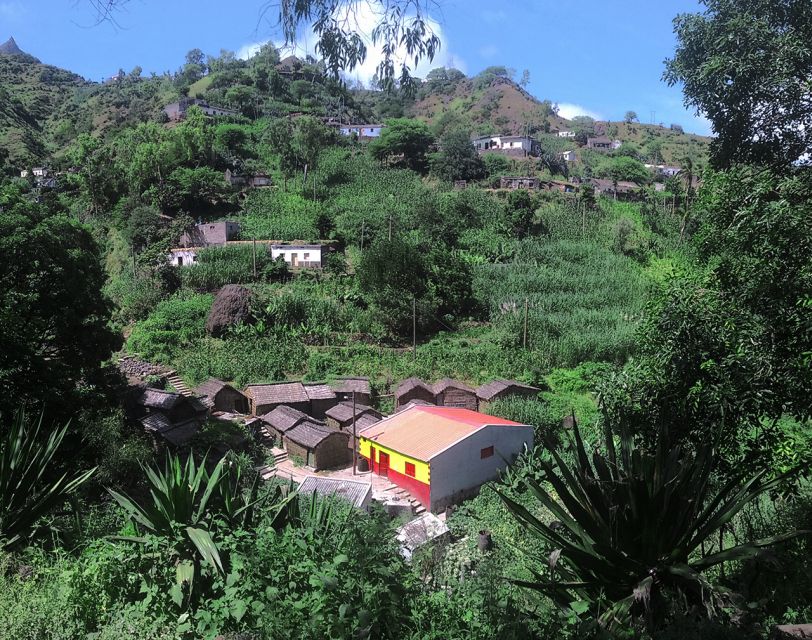
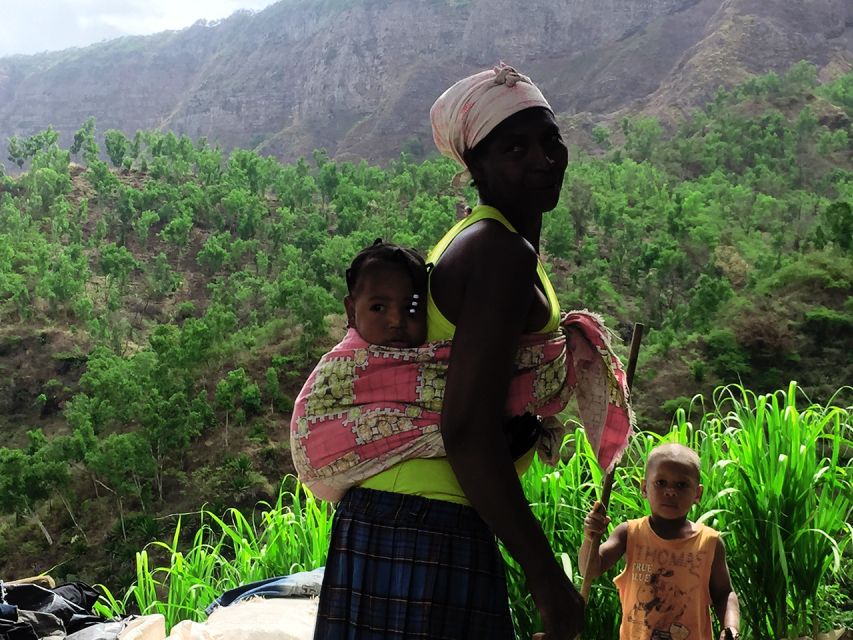
This experience does something many mountain excursions skip: it gives you a reason to slow down before the climb. Your vehicle leaves Praia for Longueira, a village where the first part of the morning is about people and daily life rather than viewpoints.
You visit a local grogue distillery, where Cape Verde’s sugarcane spirit is made. Grogue is an important part of rural island culture, and this stop gives the trek a more grounded beginning. You are not simply driven to a trailhead, handed a map, and sent uphill.
The visit also includes the village primary school and Lemba Lemba Bar. These stops are modest, but that is part of their value. You get a glimpse of the community around the trail instead of seeing Santiago only from a vehicle window.
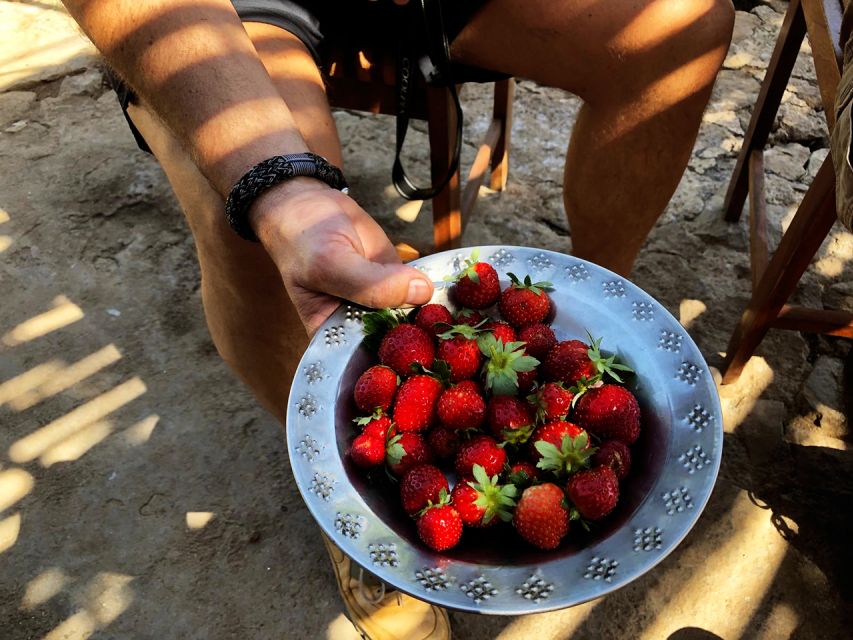
From December to May, the route passes among strawberry fields, with a small picnic along the way. The growing season matters here, so the agricultural scenery can change depending on when you visit. The included food is simple: a sandwich, fruit, and soft juice. It is enough for a light break, but you should still bring plenty of water and avoid treating the picnic as your only food for a six-hour mountain walk.
More Hiking in Santiago
- Serra Malagueta: Principal Valley Hike & Lunch with Locals
★ 4.7 · 64 reviews - Praia: Baobab Mysterious Tree, Green Valley & Old City Hike
★ 4.8 · 53 reviews - Santiago: Calabaceira Valley Trek & Visit to Cidade Velha
★ 4.8 · 49 reviews
The climb to Pico de Antónia
The main physical challenge begins after Longueira. Pico de Antónia is Santiago’s highest point, and the climb is the heart of the day.
The longer route is listed at about 9 kilometers, with roughly six hours of walking. Its elevation gain is about 1,050 meters, beginning around 485 meters and reaching close to 1,390 meters. That is a substantial climb, especially because the trail is described as narrow and tilted.
Another route option covers about 6 kilometers and takes around four hours. It gains approximately 585 meters and reaches about 1,160 meters. This is still classed as difficult, not easy, so you should ask which route is planned when comparing options or preparing for the day.
The advertised description refers to about five hours uphill, with a picnic stop and scenic pauses. That wording tells you what kind of outing this is. The walking is not a short ascent followed by a long vehicle ride. Most of the day’s effort goes into gaining height.
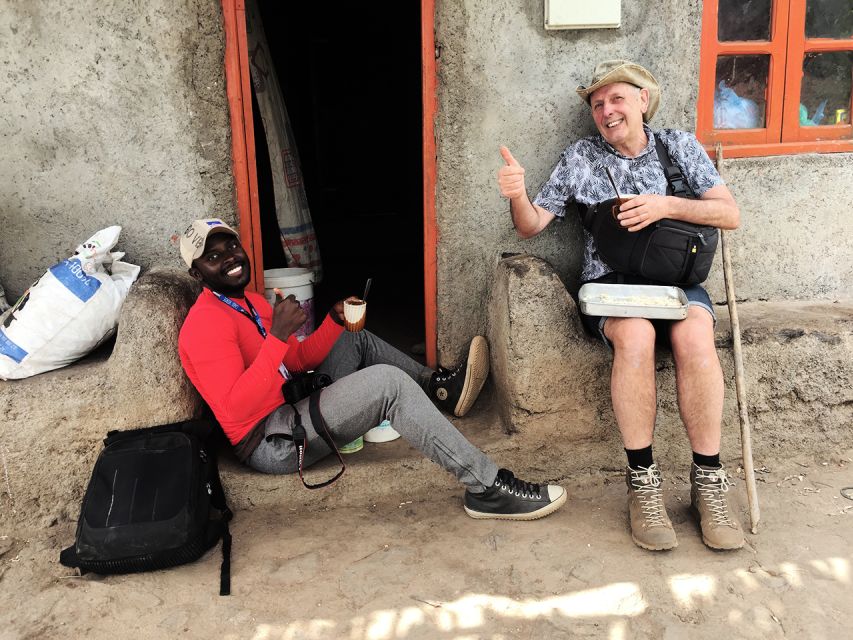
The final metres are especially steep. That is where a friendly guide earns the fee, not by reciting facts, but by setting a steady pace and helping you choose secure footing. Guide Djibril is praised for being professional, cheerful, attentive, and respectful, while Ricardo is noted for his kindness and friendly manner. Admilson Garcia is also praised for knowing the area and the local people well.
Guide assignments can vary, so do not book on the assumption that one particular guide is guaranteed. Still, the repeated emphasis on patient help is useful information for anyone nervous about the climb or the descent.
Views toward São Jorge, Maio, and Fogo
At the high point, the reward is not a single postcard view. The route opens toward the São Jorge Valley, and on a clear day you may see Maio Island and Fogo Island’s volcano.
Visibility will depend on weather and haze, so the distant islands are a possibility rather than a promise. The views are one of the strongest reasons to take this hike, but the changing scenery on the way up also gives you plenty of photo opportunities.
The guides can point out good places to stop for pictures. That practical help matters on a one-way trail, where you may otherwise rush through the best viewpoints while concentrating on your footing.
The top has a particular sense of achievement because the ascent is genuinely hard. You are not being driven to a lookout. You have earned the view with several hours of uphill walking, and that makes the small picnic break feel well timed.
Do not mistake the summit stop for the end of the work. The return section can be slower than expected, especially when the trail becomes very slippery. Walking sticks were provided on at least one outing and proved useful. It is sensible to bring your own walking sticks if you have them, or confirm whether the local team will provide them.
Monte Tchota and Santiago’s native nature
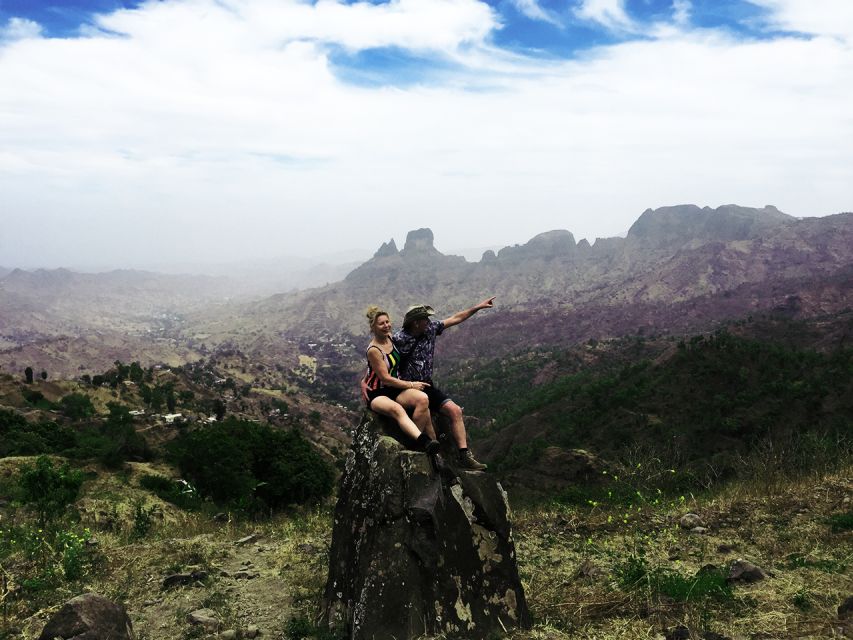
The trek finishes in the Monte Tchota, also spelled Monte Txota, natural park. This gives the day a second character after the summit: less about reaching a high point and more about moving through a quieter natural area.
The park is valued for intact nature, native plants, animals, and bird species that are in danger of extinction. The supplied information does not promise a particular animal sighting, so you should think of the wildlife as something to look for rather than a scheduled part of the tour.
Your guide can help you notice small details along the route, including endemic plants and birdlife. This is one reason a guided walk is more useful than attempting the trail without local support. The route is narrow and tilted, and the natural features are easy to miss when you are focused on the next step.
Monte Tchota also provides a fitting finish. Longueira introduces you to local life, Pico de Antónia supplies the physical test and broad views, and the natural park brings the focus back to Santiago’s plant and animal life.
More walking routes in Praia:
- Santiago: Monte Tchota Natural Park to Pico d’Antónia Hike
★ 4.8 · 43 reviews - Serra Malagueta Natural Park Hike & Relaxing Swim at Tarrafal Beach
★ 5.0 · 30 reviews - Serra Malagueta Natural Park: Hike to Gongon Valley & Lunch
★ 4.8 · 22 reviews - Private Hike through mountains and distant rural villages
★ 5.0 · 8 reviews
What $106 includes, and what it does not
The price is $106 per person. That is not a bargain-basement walking tour, but it includes several costs that can add up on an independent mountain day: pickup and drop-off at your Praia accommodation, transport, a guide, a picnic, and liability insurance.
The value depends largely on how much support you want. If you are already equipped, know the route, and can arrange transport, you might spend less by hiking independently. But this route is one way, the trail is difficult, and the transfer logistics are not trivial. For most visitors staying in Praia, having transport handled from beginning to end is a meaningful part of the price.
You are paying for guidance as well as movement between places. On a steep route, a guide can help with pacing, navigation, footing, and local context. The picnic is convenient, though I would still carry extra snacks if you normally eat more during long hikes.
A shared group trek requires at least two participants. If that minimum is not met, the operator may suggest another date, offer a private departure for an added fee, or cancel with a full refund. That condition is worth noticing before you build the hike into a tightly scheduled holiday.
How hard is it in practical terms?
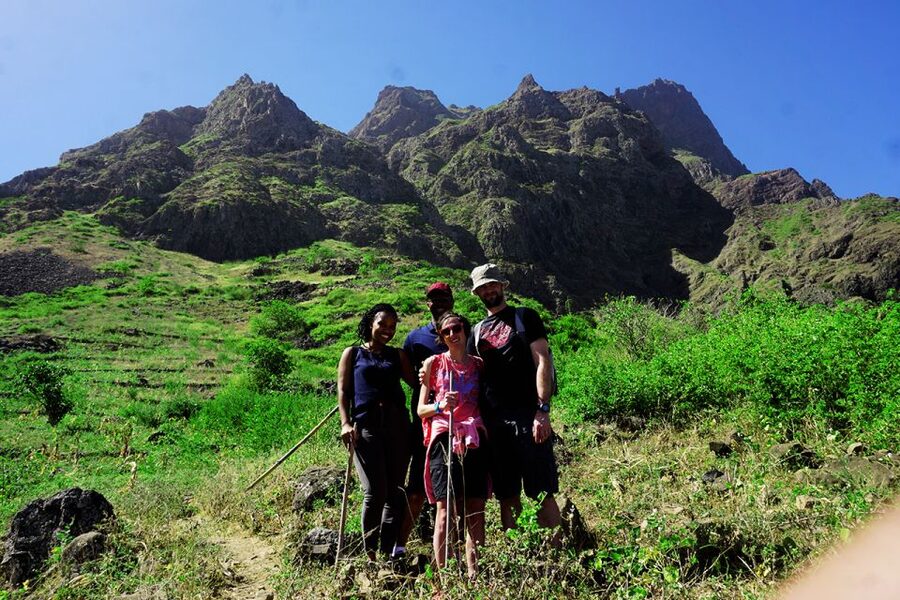
The tour gives two difficulty labels: difficult for the shorter route and very difficult for the longer one. Take those labels seriously.
You should be comfortable walking for four to six hours on a narrow, uneven path. The longer route includes about 1,050 meters of ascent and about 600 meters of descent. The shorter route includes roughly 585 meters up and 186 meters down.
The numbers also explain why the return can feel awkward. Going downhill after a long ascent is not automatically easier, particularly on loose or slippery ground. One account of the outing specifically describes the descent as very slippery and longer than expected.
Hiking shoes are required, not merely suggested. Trainers with smooth soles would be a poor choice. Hiking trousers are strongly advised from August through November, when vegetation can make the path less comfortable. A hat, sunscreen, and water belong in your day pack, and walking poles are highly recommended.
The tour provides liability insurance, but that does not make the route easy. You still need to judge your own fitness honestly. If you dislike steep paths or have limited hiking experience, the shorter option may be the better conversation to have with the operator, though it remains a difficult walk.
Timing, weather, and what to carry
The outing starts with pickup at your hotel in Praia, but the exact pickup time is not supplied. Allow the day to run long enough for transport, village visits, breaks, climbing, and the return transfer.
Conditions can change the feel of the hike. From December to May, the strawberry fields are part of the route experience. From August to November, hiking trousers are especially recommended. These seasonal notes are more useful than packing for a generic beach holiday.
Bring:
- Hiking shoes with reliable grip
- A hat and sunscreen
- Plenty of water
- Hiking trousers, especially from August to November
- Walking sticks if you have them
- Extra food if a sandwich, fruit, and soft drink will not cover a full mountain day
The tour is offered with guides who speak Spanish, English, French, or Portuguese. Confirm the language you need when booking, especially if detailed trail instructions will make you more comfortable.
You can reserve and pay later, and cancellation is available up to 24 hours before departure for a full refund. Keep those flexible terms in mind if weather or your hiking plans may change.
Who should book this Santiago trek?
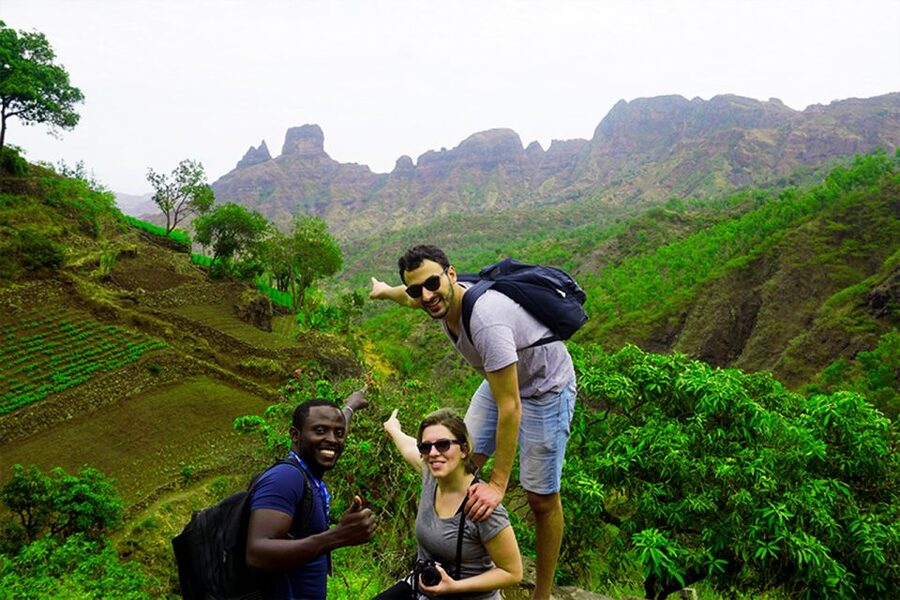
I would choose this experience if I wanted Santiago’s mountains to be more than a photo stop. It combines a village, a distillery, agriculture, a major summit, distant island views, and a natural park in one long day.
It suits experienced hikers best, particularly those who enjoy steep climbs and do not mind a slippery descent. The route also works well for someone who wants local contact but prefers to have transport and a guide organized.
It is less suitable if you want a relaxed excursion with only a short walk. The words very difficult, narrow, tilted, and 1,050 meters of ascent are not decorative warnings. They describe a demanding outing.
Families and mixed-ability groups should discuss the route choice carefully. The supplied details do not specify a minimum age or special family arrangements, so do not assume the trek will suit every member of your party.
Should you book it?
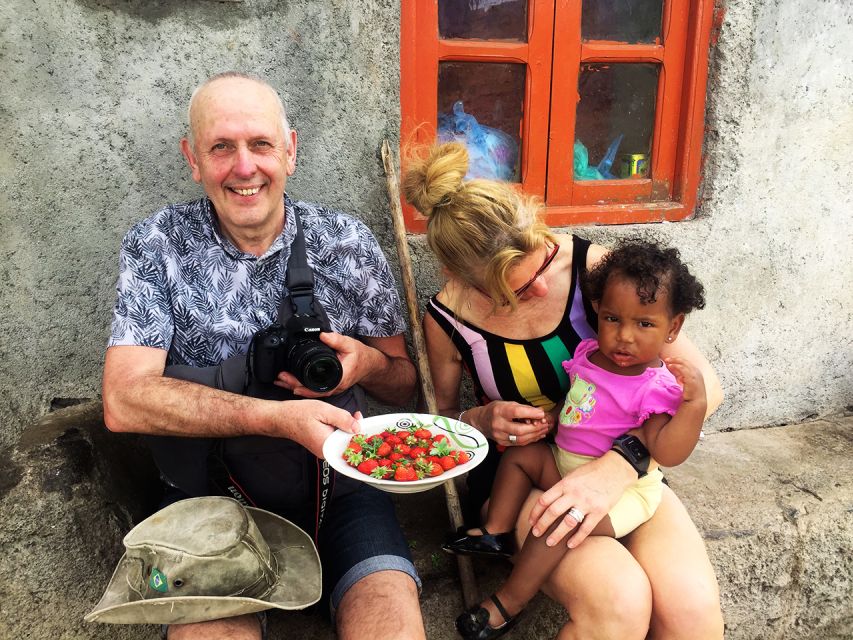
Book this trek if you want a serious Santiago walk with a strong local component. The best features are the unusual opening in Longueira, the chance to reach Pico de Antónia, and the practical help of guides such as Ricardo, Djibril, or Admilson Garcia, depending on assignment.
At $106, the package offers fair value for a full day with transfers, food, guiding, and insurance. I would book it with two conditions: confirm which route you will take, and arrive prepared for a very hard climb.
If your idea of a holiday hike is a gentle path and a quick viewpoint, choose another outing. If you want the satisfying ache of a real mountain day, this is one of the stronger ways to see Santiago beyond Praia.
FAQ
Where does the trek take place?
The trek takes place on Santiago Island in Cape Verde. It begins with pickup in Praia, visits Longueira, climbs Pico de Antónia, and finishes in Monte Tchota or Monte Txota natural park.
How much does the experience cost?
The price is $106 per person.
Is hotel pickup included?
Yes. Pickup and drop-off at your accommodation in Praia are included.
How long does the trek take?
The longer route takes about six hours of walking, while the shorter route takes about four hours. The main description also refers to about five hours uphill, so the total day will include transport, visits, breaks, and the return transfer.
How far is the trek?
The longer route is approximately 9 kilometers. The shorter route is approximately 6 kilometers.
How difficult is the hike?
The longer route is rated very difficult, and the shorter route is rated difficult. The trails are narrow and tilted, with substantial elevation gain.
How high does the route go?
The longer route reaches about 1,390 meters, with the walking point also described as 1,394 meters. The shorter route reaches about 1,160 meters.
What should I bring?
Bring a hat, hiking shoes, sunscreen, water, and walking sticks if possible. Hiking trousers are strongly advised from August through November.
Is food included?
Yes. The picnic includes a sandwich, fruit, and soft juice. You should still bring extra water and any additional food you may need for a long hike.
What languages are available?
Guiding is available in Spanish, English, French, and Portuguese.
Just added in Praia
- Praia: Santiago Island Natural Park & Resistance Museum Tour★ 4.0 · 8 reviews
- From Praia: Explore the island with local Tour guide★ 4.4 · 8 reviews
- Praia: Guided Historic Walking Tour & Lunch with Locals★ 3.8 · 9 reviews
- Santiago Island: Full-Day Sightseeing Experience★ 5.0 · 5 reviews
- Private Hike through mountains and distant rural villages★ 5.0 · 8 reviews
- Praia: Plateau and Cidade Velha Guided Tour★ 5.0 · 3 reviews
- Private Tour Cidade Velha/Discover OLD CITY★ 5.0 · 4 reviews
- Praia: Baobab Mysterious Tree, Green Valley & Old City Hike★ 4.8 · 53 reviews
Hiking & Trekking, compared.
Serra Malagueta: Principal Valley Hike & Lunch with Locals
Read our review →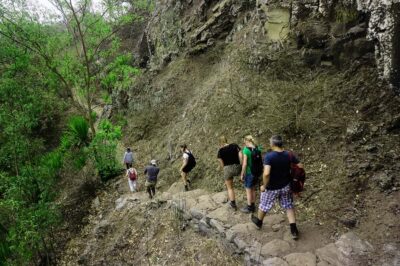
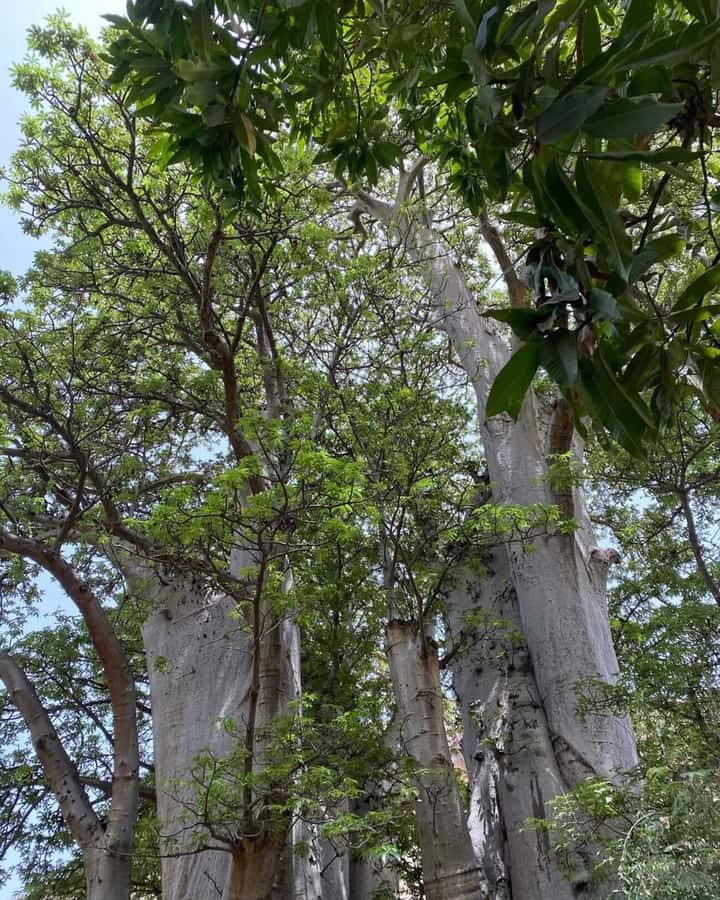
Baobab Mysterious Tree, Green Valley & Old City Hike
Read our review →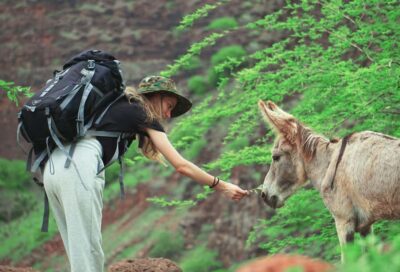
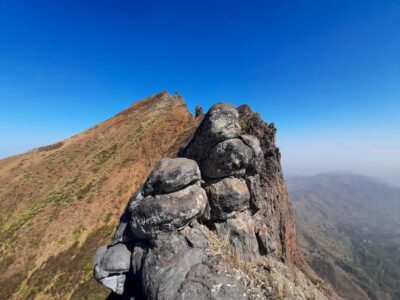
Monte Tchota Natural Park to Pico d’Antónia Hike
Read our review →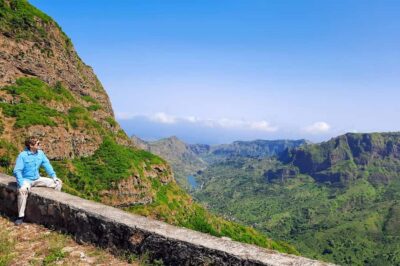
Browse the lists this tour appears in