
Reviewed · CIDADE VELHA HERITAGE TOURS
Praia: Plateau and Cidade Velha Guided Tour
Cidade Velha puts Cape Verde’s past in plain view. From the hilltop Royal Fortress of São Filipe to the old slave market and cathedral ruins below, you move through the place often called the cradle of Cape Verdean culture. The visit also brings you into present-day Praia, where markets, produce, fishermen, and daily life matter as much as the old stonework.
I like the useful mix of Praia’s local markets and Cidade Velha’s major sights. I also like the small group limit of 10 and the choice of English, French, Portuguese, or Spanish guides. Guides David and Edney receive special praise for patient explanations, local stories, and helping you meet people rather than simply pointing at buildings.
The main drawback is pace. Four hours covers a lot, and lunch costs extra, as does the 5 euro entrance fee to São Filipe Fortress. Sunday visitors should also know that the Municipal Market is closed, and this is not a good fit for wheelchair users or anyone who finds walking difficult.
Key points to know before you book
- See two very different sides of Santiago: Praia offers markets and modern city life, while Cidade Velha brings forts, churches, slave-trade history, and coastal views.
- Start high at São Filipe Fortress: The fort sits 121 meters above sea level and gives you a strong view over Cidade Velha.
- Meet the city through its markets: The Municipal Market focuses on fruits and vegetables, while Sucupira is Praia’s largest flea market.
- Expect serious historical context: The route covers slavery, pirate attacks, early European settlement, and Cape Verdean culture.
- Budget for extras: Lunch and the 5 euro fortress entry are not included in the $70 price.
- Choose your guide language: Tours are offered in English, French, Portuguese, and Spanish, with a maximum of 10 participants.
Why this four-hour route works
This experience makes sense because it joins two places that are often treated separately. Praia shows you the capital’s streets, markets, and people. Cidade Velha, a short ride away on Santiago Island, gives you the older story of European settlement, slavery, religion, defense, and the growth of Cape Verdean culture.
You get hotel pickup and drop-off in Praia, which saves you from arranging transport between the two areas. The tour normally arrives about 10 minutes before the scheduled pickup, and you can wait at your hotel reception or outside the entrance.
The four-hour length is useful if you have a short stay, a cruise stop, or only one free morning or afternoon. It is also the limit. You will see the main sights, but you should not expect long museum visits, extensive shopping time, or an unhurried exploration of every side street.
The small group size helps here. With no more than 10 people, a guide can answer questions and adjust explanations more easily than on a large coach tour. That matters in places such as Cidade Velha, where the significance of a ruin is not always obvious from the remaining walls.
A few more things to do in Praia worth a look
- Praia & Cidade Velha: Guided City Tour
★ 4.8 · 80 reviews - Santiago: Calabaceira Valley Trek & Visit to Cidade Velha
★ 4.8 · 49 reviews - From Praia: Cidade Velha, Tarrafal & East Side Island Tour
★ 4.8 · 23 reviews
Praia’s Plateau, from military barracks to city squares
The Praia portion begins in the historic center of the Plateau. This is the right place to start because it introduces you to the capital through its civic and colonial-era center rather than dropping you straight into a bus ride.
You pass the Jaime Mota Military Barracks, the Presidential Palace, and Alexandre Albuquerque Square. These stops help you read the city’s layout and understand how government, military power, and public life were arranged around the Plateau.
The guide’s role matters most here. A building can look like another pale façade unless someone explains what it represents and how it fits into Cape Verde’s national story. The French-language guide Edney is praised for adapting to questions and adding stories about the island’s plants, traditions, and past. David is also praised for presenting the culture and history of Cape Verde in a clear, engaging way.
The Plateau walk is not only about old buildings. It gives you a first look at Praia as a working capital, with people moving through the center for ordinary errands. Keep your camera ready, but listen closely too. The useful part of this section is the connection between the visible streets and the country’s wider story.
The Municipal Market and Sucupira Market
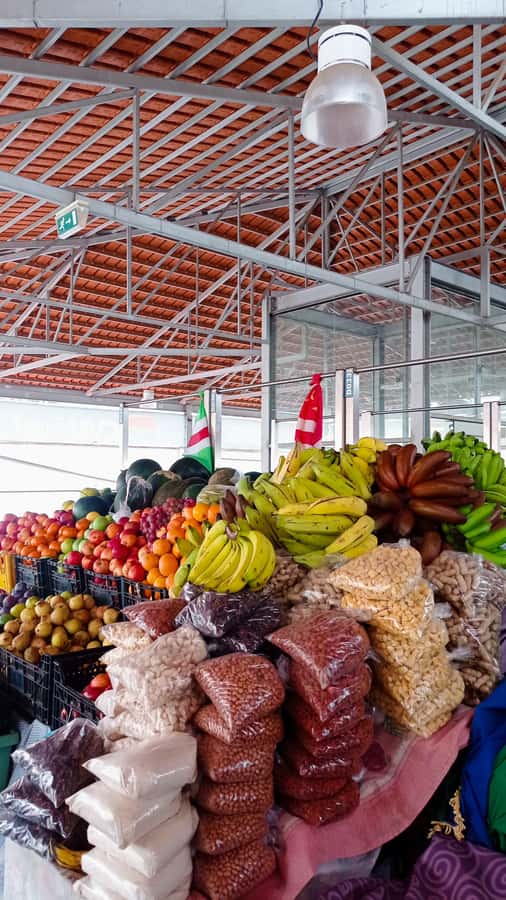
The Municipal Market is one of the more worthwhile stops for anyone who wants to see local life rather than just monuments. You’ll find a range of local fruits and vegetables and have a chance to meet people who use the market as part of their daily routine.
This is also where the tour can feel less scripted. You can look at produce, notice the colors and shapes of unfamiliar food, and ask your guide about what you are seeing. Do not expect a polished food hall. The value lies in the ordinary setting and the chance to observe how residents shop.
The market is closed on Sundays. That is an important planning detail, since the tour still operates with the market portion unavailable. If market life is a main reason for booking, choose another day.
The route then includes Sucupira Market, described as Praia’s largest flea market. This gives you a different kind of shopping scene from the Municipal Market. Instead of focusing on food, Sucupira is a place to browse everyday goods and local trade.
You may have some free time for shopping, but the tour’s main purpose is exploration rather than a dedicated buying trip. I would treat Sucupira as a chance to look around and get a feel for Praia, not as a guaranteed place to find a particular souvenir. Keep personal spending separate from the tour price.
Arriving at Cidade Velha and climbing to São Filipe Fortress
Cidade Velha is the historical center of the visit. It is recognized as a UNESCO World Heritage Site and is presented as the birthplace of Cape Verdean culture and nationhood. That description becomes easier to grasp once you see how much of the old settlement is concentrated in a small area.
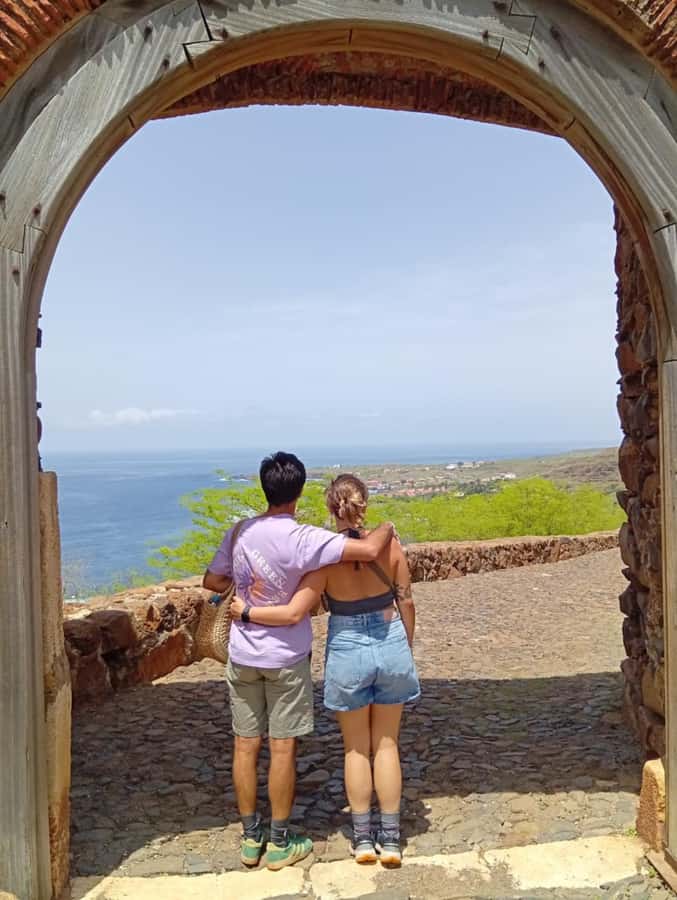
The first major stop is the Royal Fortress of São Filipe. Built to defend the city from pirate attacks, it sits 121 meters above sea level. The high position gives you scenic views toward the settlement and coast, while the walls show how exposed and strategically important Cidade Velha once was.
The climb and uneven historic surfaces are worth taking seriously. The tour is not suitable for people with mobility impairments or wheelchair users, and comfortable walking shoes are essential. Bring water, sunscreen, and a hat. Santiago’s sun can make a short walk feel longer than expected.
The fortress entrance costs 5 euros per person and is not included in the $70 tour price. That fee is modest, but you should include it in your budget. The guide can give the defensive setting meaning, explaining why the fort was placed above the city and how the site relates to attacks from the sea.
For me, this is one of the most useful moments of the route because the view and the history work together. You are not just looking at old stone. You are seeing why the city developed where it did and why defense shaped its early years.
Same island, a different sort of day:
- Santiago: Landscapes, Street Art, and Markets Day Trip
★ 4.8 · 316 reviews - From Port of Praia: Island Tour for Cruise Ship passengers
★ 4.5 · 190 reviews - Serra Malagueta: Principal Valley Hike & Lunch with Locals
★ 4.7 · 64 reviews - Praia: Baobab Mysterious Tree, Green Valley & Old City Hike
★ 4.8 · 53 reviews
Cathedral ruins and the story of slavery
After the fortress, the tour moves through the lower part of Cidade Velha. You visit the ruins of the first cathedral in sub-Saharan Africa. The remains are a powerful reminder of the city’s early importance, but they also show how much time, weather, and changing fortunes have altered the settlement.
The guide’s explanation is especially important at this stop. On its own, a roofless ruin can be hard to place. With context, you can understand its role in the religious and political life of the early city, as well as its connection to European expansion in Africa.
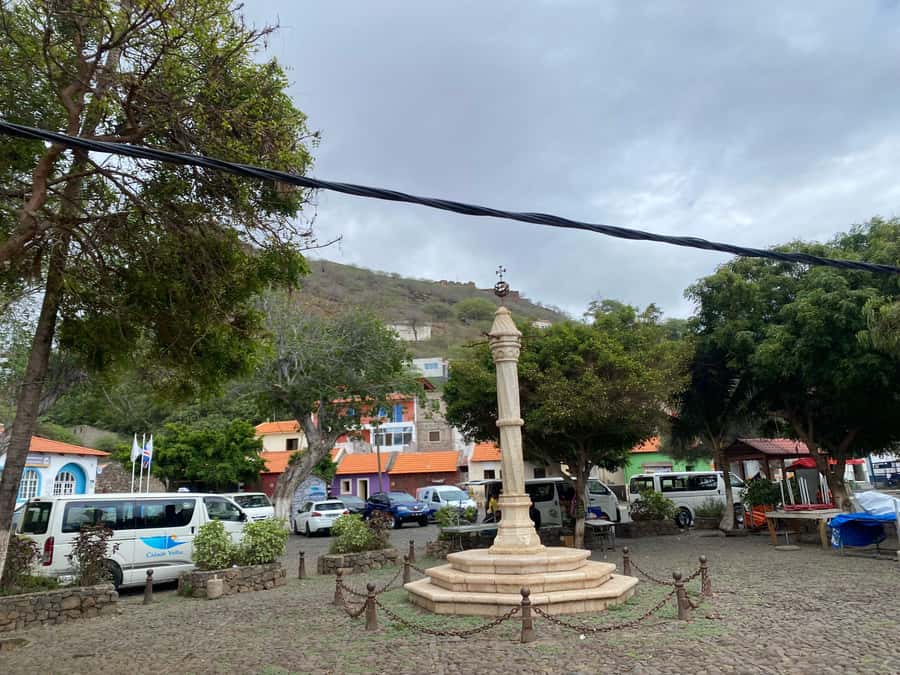
The route also addresses the history of slavery. Cidade Velha was tied to the Atlantic slave trade, and the old slave market of Pelourinho is part of the visit. This is not a light sightseeing stop. The square and its history require a serious look at the human cost behind the city’s early growth.
That difficult subject is one reason this tour offers more than a quick photo outing. Cape Verde’s culture developed through movement, trade, African and European contact, and painful systems of exploitation. A good guide helps you hold those parts together without reducing the country to a single chapter.
The three guides highlighted in the tour information bring different language strengths. Edney is praised for answering questions and helping visitors connect with local people. David is praised for patient explanations of the island’s culture, plants, animals, and past. Ask questions as you go. The tour becomes much more useful when you treat the guide as a local interpreter rather than a person who simply keeps time.
Banana Street, old churches, and the waterfront
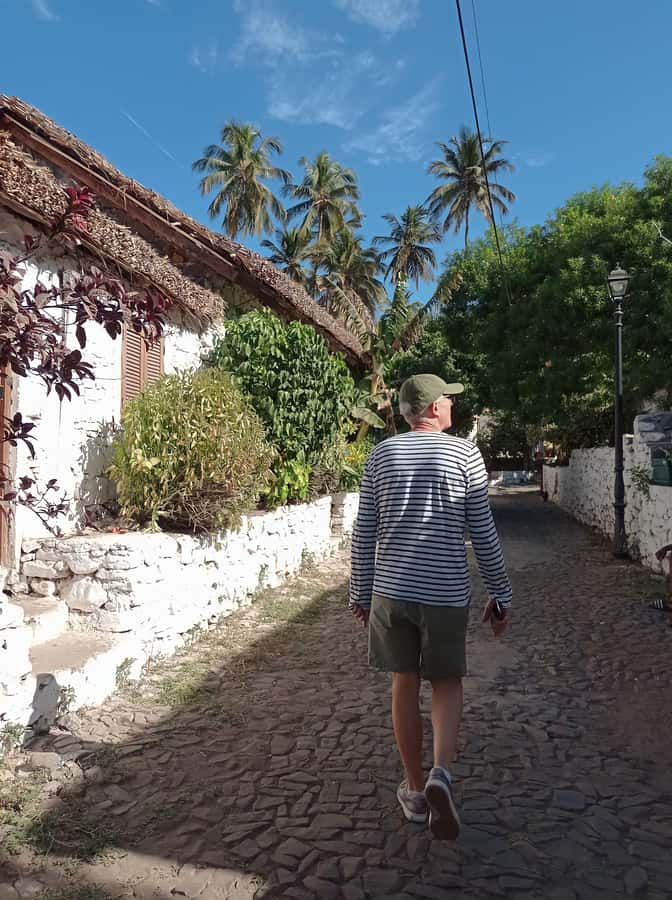
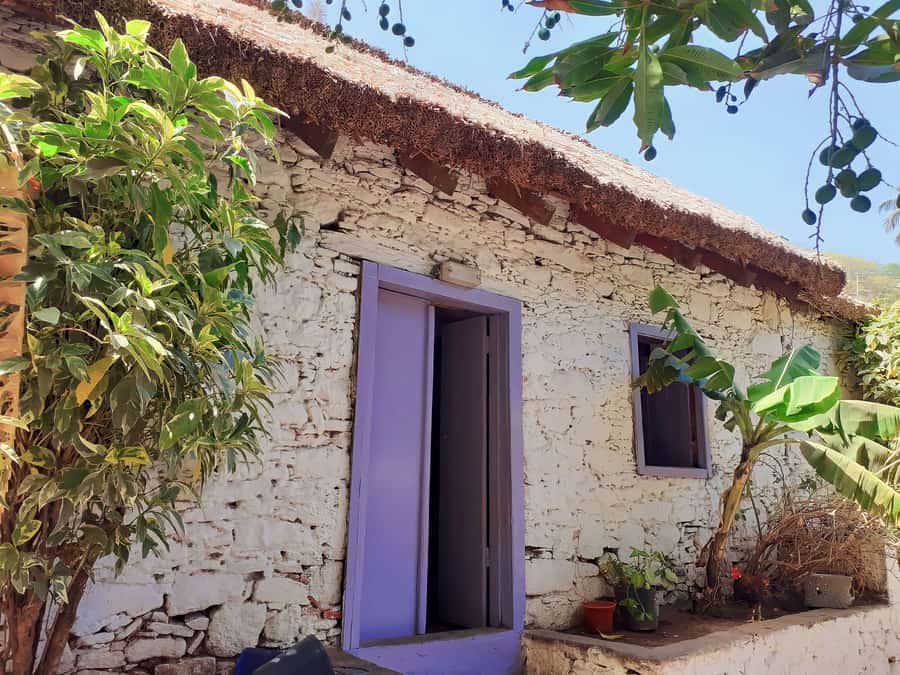
Banana Street is known for its traditional houses and offers a more intimate look at Cidade Velha. The street connects the grander historical story to domestic architecture and everyday settlement patterns.
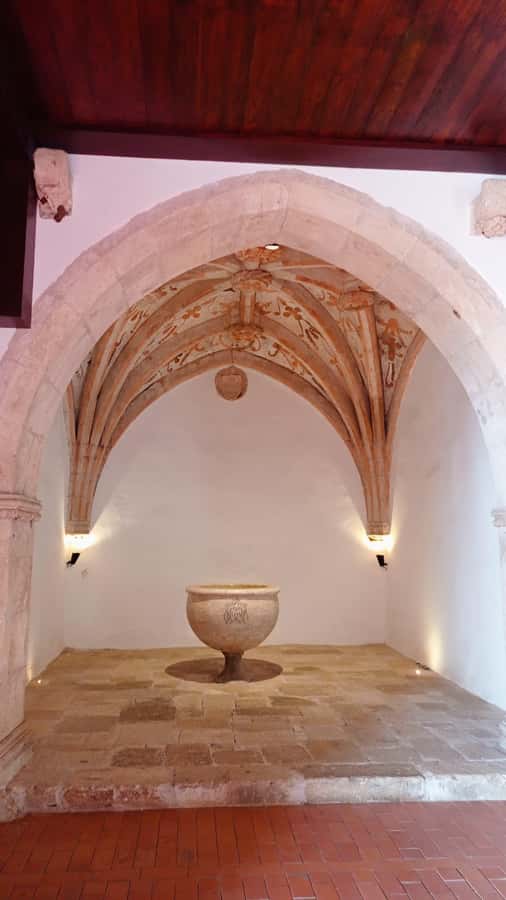
You then see the Church of Nossa Senhora do Rosário and the Convent of São Francisco. These sites add religious history to the fortress and slave-market stops. Together, the route shows how defense, worship, trade, and domestic life were packed into one coastal town.
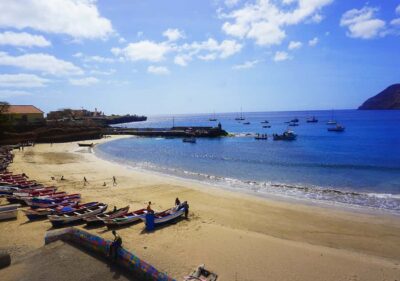
The tour also includes a chance to see fishermen returning from the water in traditional boats with fresh fish. The timing may affect exactly what you see, so I would treat this as a welcome part of the coastal setting rather than a guaranteed performance. When it happens, it links the old city to present-day work in a direct and memorable way.
The coastal views are another reason to bring a camera. Still, the best pictures will not tell the full story. Make room for the guide’s explanation, especially around Pelourinho and the churches, where a quick photograph can easily flatten a complicated past into a pretty old wall.
Lunch, timing, and the real cost
Lunch takes place at a typical local restaurant with a sea view, but it is not included in the tour price. You should plan for an additional meal cost and confirm the menu or prices with the guide if you need to manage your budget closely.
The setting sounds appealing because it adds a pause after the walking and sightseeing. It also gives you a chance to try local gastronomy in a calmer setting. Just remember that the advertised $70 covers the guided experience, transport, and listed visits, not every expense during the day.
The 5 euro fortress entry is the other clear extra. Personal purchases at Sucupira Market also come from your own pocket.
At $70 per person, the value depends on what you want from a half-day tour. It is a fairer deal if you value hotel transport, a multilingual guide, a small group, and the chance to combine Praia with Cidade Velha without arranging the route yourself. It is less attractive if you only want a quick transfer or prefer to explore markets and historic sites at your own speed.
The guide is the part that can make the price worthwhile. The strongest praise centers on clear storytelling, patience, local knowledge, and a willingness to help visitors meet people. Those are useful qualities in a place where signs and ruins cannot explain everything on their own.
Who should book this experience
I would recommend this tour to first-time visitors to Santiago Island, especially if you have limited time in Praia and want both city life and major historical sights. It is also a good option if you prefer a guide who can explain slavery, religion, defense, and Cape Verdean culture in your own language.
The tour suits active visitors who can walk comfortably in the sun and manage historic surfaces. Wear practical shoes, bring water, and use sunscreen. A hat and camera are also sensible.
It is not suitable for wheelchair users or people with mobility impairments. The fortress location, walking route, and historic areas make that limitation important rather than a minor footnote.
Sunday is another consideration. The Municipal Market is closed, so book another day if that stop is high on your list. Smoking is not allowed during the activity.
Free cancellation is available up to 24 hours before the start, and you can reserve now and pay later. Those terms help if your Praia schedule is still moving around, but they do not change the tour’s basic limits: four hours, walking, extra costs, and a fairly full route.
Should you book the Praia and Cidade Velha tour?
Book it if you want a compact, guided introduction to Santiago that combines living markets with the island’s most important historic city. The strongest reasons are the small group, hotel pickup, four language choices, and guides such as David and Edney, who are praised for making the history personal and answering questions with patience.
Skip it if you want a slow day, dislike walking in the sun, or need a fully accessible route. Also skip it if a Sunday market visit is essential. For everyone else, $70 is reasonable when you value transport and interpretation, provided you budget separately for lunch and the 5 euro fortress fee.
FAQ
How long does the Praia and Cidade Velha tour last?
The tour lasts four hours, including the Praia and Cidade Velha portions, guided visits, sightseeing, and hotel drop-off in Praia.
Is hotel pickup included?
Yes. Pickup and drop-off at hotels in Praia are included. You can wait at reception or in front of your hotel, and the tour normally arrives about 10 minutes before the scheduled time.
What languages are available?
The live guide service is available in English, French, Portuguese, and Spanish.
Is lunch included in the price?
No. Lunch is not included. You eat at a typical local restaurant with a sea view, but you pay for the meal separately.
Is there an entrance fee for Royal Fortress of São Filipe?
Yes. Entrance costs 5 euros per person and is not included in the tour price.
Is the Municipal Market open every day?
No. The Municipal Market is closed on Sundays. The tour still includes the other scheduled sights on that day, but you will not visit the Municipal Market.
Is the tour suitable for wheelchair users?
No. The experience is not suitable for wheelchair users or people with mobility impairments. Comfortable walking shoes, water, sun protection, and a hat are recommended.
Just added in Praia
- Private Hike through mountains and distant rural villages★ 5.0 · 8 reviews
- Private Tour Cidade Velha/Discover OLD CITY★ 5.0 · 4 reviews
- Praia: Baobab Mysterious Tree, Green Valley & Old City Hike★ 4.8 · 53 reviews
- Praia City Tours★ 3.4 · 3 reviews
- The origen of Capeverdean People★ 5.0 · 4 reviews
- Serra Malagueta Natural Park: Hike to Gongon Valley & Lunch★ 4.8 · 22 reviews
- From Praia: Full-Day Guided Fogo Island Tour★ 4.2 · 3 reviews
- Cultural Tour on Santiago Island★ 4.4 · 5 reviews
Cidade Velha Heritage Tours, compared.

Browse the lists this tour appears in