
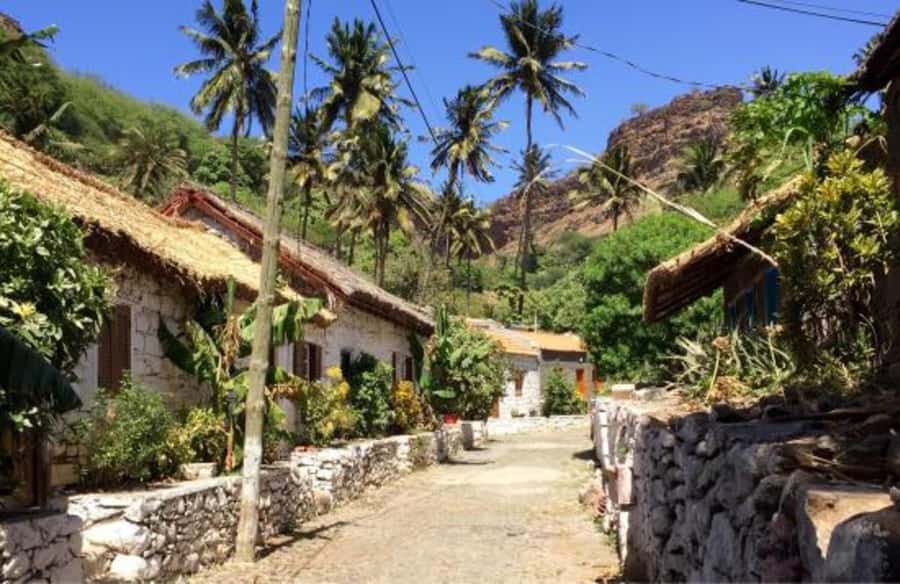
Reviewed · TOURS IN SANTIAGO
The origen of Capeverdean People
The story of Cape Verde begins with movement across the Atlantic, and this tour puts African contribution at the center. From Santiago Island, you visit Cidade Velha, the old settlement founded by Africans and Europeans and now recognized as a world heritage site because of its role in the slave trade and the expansion of the colonial world.
I like the clear Afrocentrist focus and the chance to connect monuments with living parts of Cape Verdean culture, including skin color, dance, and Krioulu. I also like the small group of no more than seven people, plus hotel pickup and return. The main thing to consider is the short two-hour format: it gives you a strong introduction, but not a long, leisurely study of every site.
Key points
- Cidade Velha in about 20 minutes: Ride from your accommodation on Santiago Island to the old city and its historic monuments.
- African origins at the center: Learn about people brought from Senegal, Guinea-Bissau, and Gambia and their role in forming Cape Verdean society.
- Culture beyond monuments: Connect African influence with Krioulu, dance, skin colors, and other parts of daily identity.
- A small group: The tour is limited to seven participants, allowing a more personal exchange with the guide.
- Three guide languages: Tours are offered in English, French, and Portuguese.
- Simple door-to-door timing: Transport, hotel pickup, and drop-off are included in the two-hour experience.
Why Cidade Velha matters to Cape Verdean identity
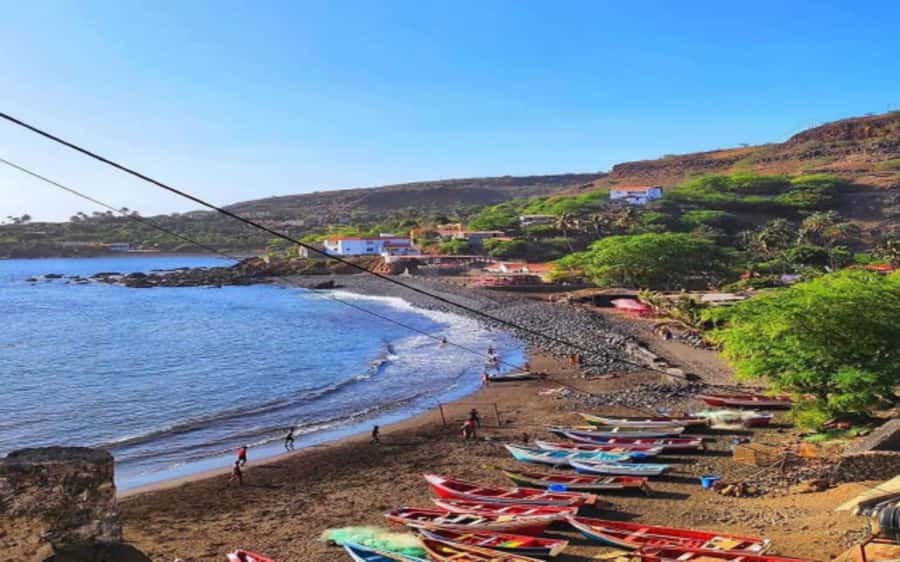
Cidade Velha is not just an old town to photograph. It is the place where the story of Cape Verdean society becomes easiest to see.
Cape Verde’s islands were shaped by contact between African peoples and European colonial powers. The African contribution is sometimes reduced to a footnote in standard colonial storytelling. This experience reverses that order. It asks you to look at the founding of the Cape Verdean nation through the people who were brought from West Africa, their descendants, and the culture that developed from that meeting.
The tour focuses on people from Senegal, Guinea-Bissau, and Gambia. You learn how their presence helped shape the population of Santiago and contributed to the creation of a new Krioulo nation. The word Krioulu is used here for the Creole identity and dialect that developed in Cape Verde.
That focus gives the tour a clear point of view. It is not trying to provide an equal-length survey of every period or every group connected to Cape Verde. Instead, it gives African origins the attention they deserve. I find that useful because it helps you read the old buildings as part of a human story, not as isolated colonial relics.
Other trips people book in Praia:
- Santiago: Landscapes, Street Art, and Markets Day Trip
★ 4.8 · 316 reviews - From Port of Praia: Island Tour for Cruise Ship passengers
★ 4.5 · 190 reviews - Praia & Cidade Velha: Guided City Tour
★ 4.8 · 80 reviews
The 20-minute ride from your hotel
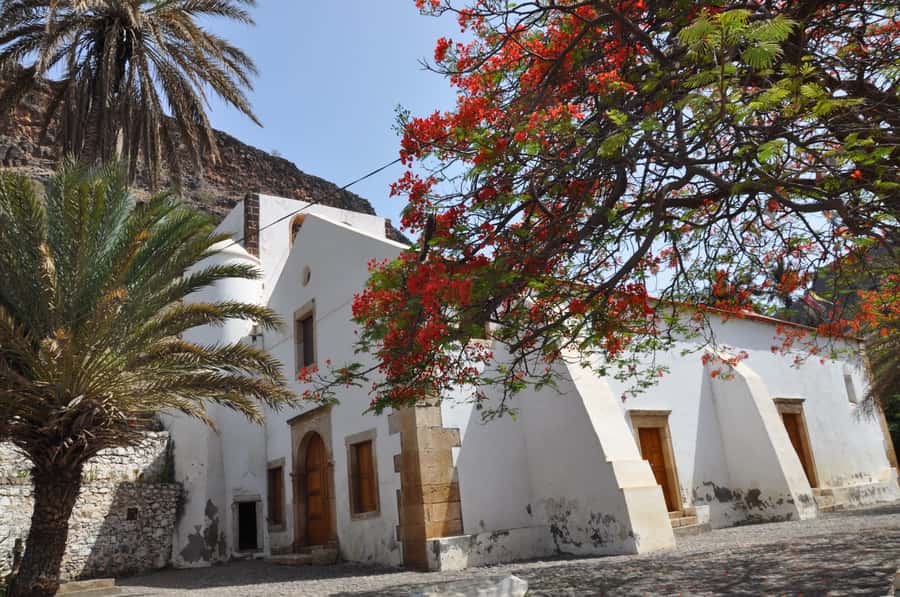
The experience begins with pickup at your hotel or accommodation. From there, you travel by car for about 20 minutes to Cidade Velha.
That short transfer matters. You do not need to arrange a taxi, work out the route, or spend your limited time figuring out transport on Santiago Island. The included return ride also makes this a tidy choice for a morning or afternoon when you want a focused historical outing rather than a full-day excursion.
The exact pickup time depends on availability, so you should check the starting options when booking. The tour lasts two hours in total, which includes the visit and transport connected with the activity. Because the schedule is compact, arrive ready to begin rather than expecting a slow day with long breaks.
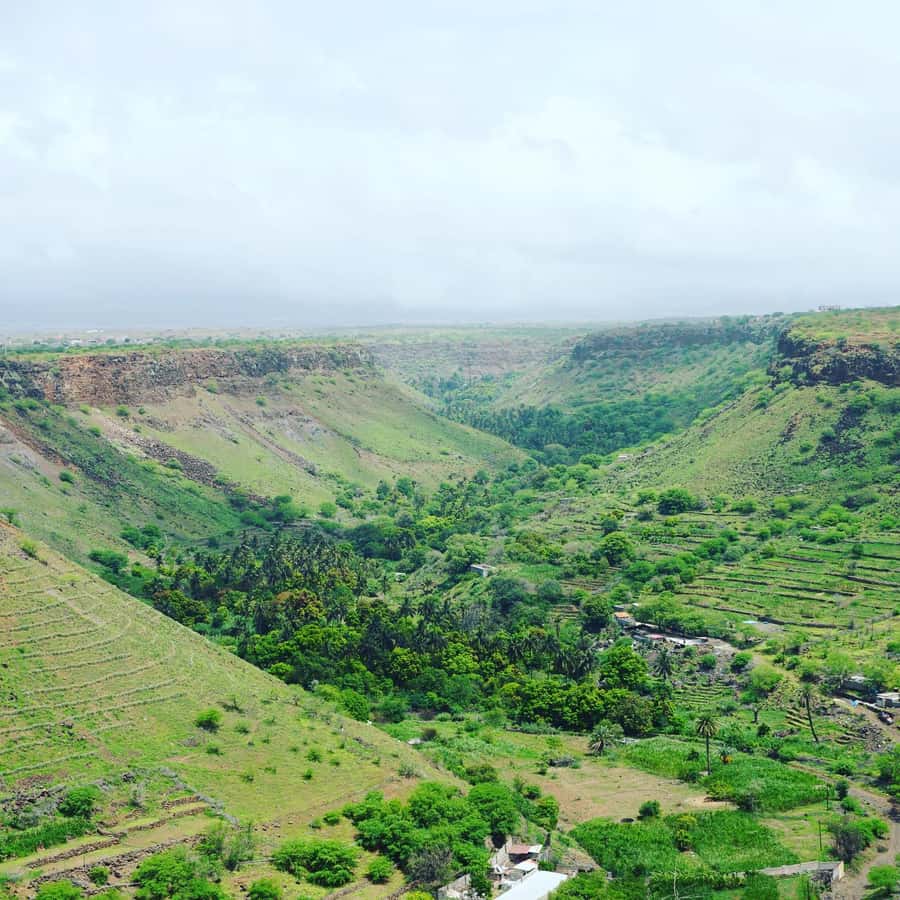
The drive also gives you a first look at Santiago outside your accommodation area. One French-language review specifically praised the beautiful views encountered during the outing. The route itself is not presented as a separate sightseeing stop, but it adds a visual sense of place before you reach the old city.
Walking through the old city
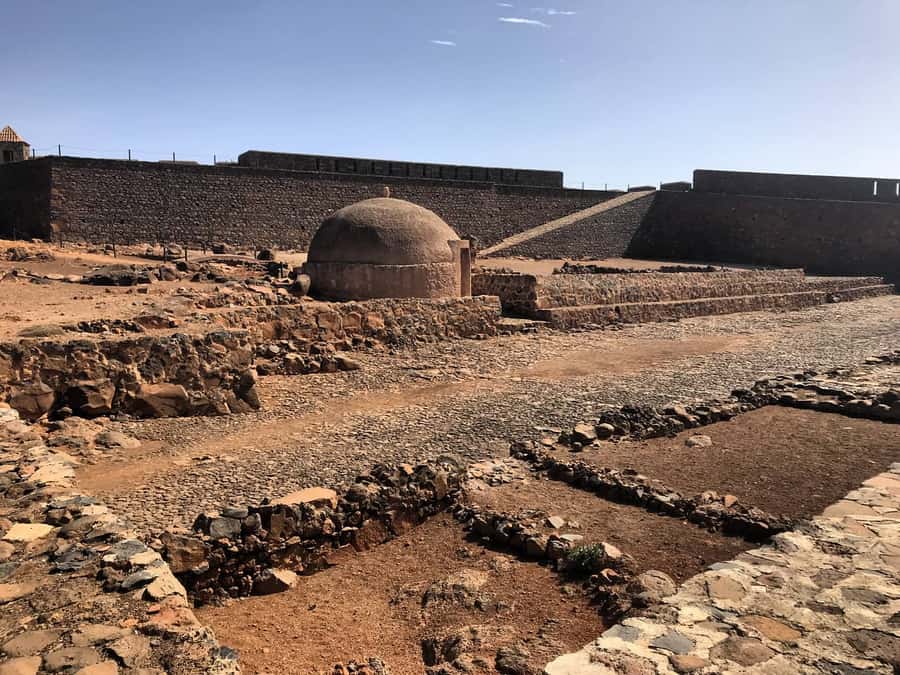
Once in Cidade Velha, the guide introduces the historic settlement founded by Africans and Europeans. The town is linked to the slave trade that helped drive the colonial expansion and the discovery of the New World. Its importance is now recognized through its world heritage status.
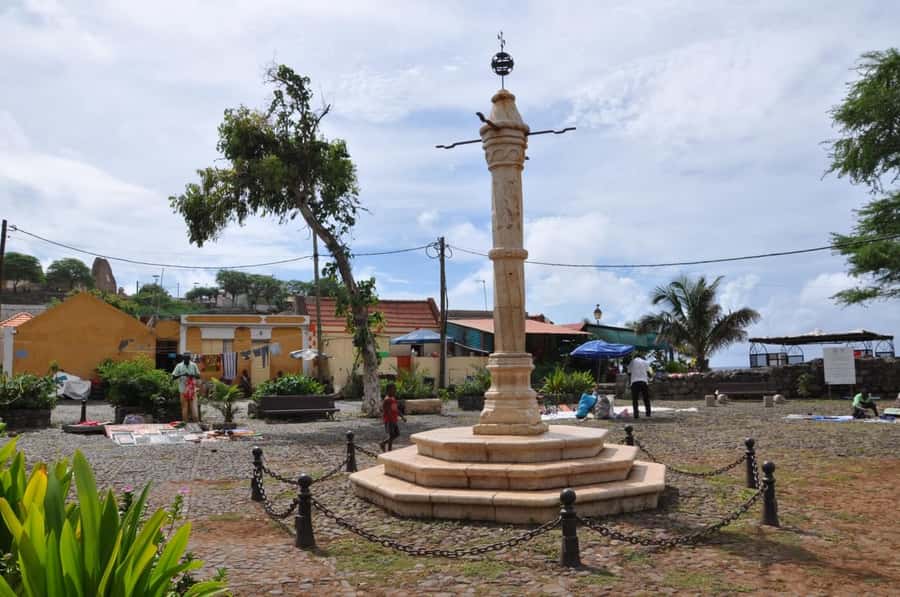
The visit centers on the main historical monuments that remain from the ancient city. The supplied details do not name each monument or give a fixed stop-by-stop route, so you should not book this expecting a published checklist of buildings. Instead, think of it as a guided interpretation of the surviving historic core.
That approach can be more useful than racing from one structure to another. The guide explains what the monuments reveal about the people who built, used, and lived around them. You are encouraged to consider not only European power, but also the African men and women whose labor and presence helped create the town and the society around it.
For photography, Cidade Velha also offers attractive views, according to the experience description and direct feedback from the tour. Still, this is primarily a history visit. If you want a long scenic drive or a broad Santiago sightseeing tour, two hours will feel too narrow. If you want a concentrated visit to the island’s most important historic town, the timing is sensible.
An African-centered reading of the monuments

The strongest feature here is the guide’s interpretation. The tour uses an Afrocentrist vision, meaning it deliberately places African people and African influence at the center of the explanation.
You will learn about the main African peoples who populated Santiago and how their traditions helped form Cape Verdean culture. The discussion connects the historic town to things you can still recognize today:
- The Krioulu dialect spoken in Cape Verde
- Cape Verdean skin colors and mixed ancestry
- Dance and other cultural expression
- The formation of a distinct Krioulo national identity
- The contribution of black men and women to the country’s foundation
These links give the monuments a wider meaning. A church, fortification, street, or surviving colonial structure is not simply old stone. It belongs to a period when people from different parts of West Africa were forced into a new social and economic system. From that difficult beginning came a new population and culture.
The experience is especially useful if you want to understand Cape Verde beyond beaches and music. Cape Verdean culture can seem familiar and distinct at the same time, and this tour explains some of the forces behind that identity. It gives you a historical frame for the language you hear, the dances you see, and the range of appearances you encounter across the islands.
Same island, a different sort of day:
- Serra Malagueta: Principal Valley Hike & Lunch with Locals
★ 4.7 · 64 reviews - Praia: Baobab Mysterious Tree, Green Valley & Old City Hike
★ 4.8 · 53 reviews - Santiago: Calabaceira Valley Trek & Visit to Cidade Velha
★ 4.8 · 49 reviews - From Praia: Boat Trip, Snorkeling, Cave & BBQ on the Beach
★ 4.6 · 45 reviews
What the guide adds to a short visit
A two-hour tour depends heavily on the person leading it. Here, guide Antonio is specifically associated with a visit to Cidade Velha and is described as bringing a particular historical culture to the outing. The available guide languages are English, French, and Portuguese.
That language choice is important. A guide who can explain the subject in a language you understand well can make the difference between looking at old buildings and grasping what they mean. French-speaking visitors may find this especially useful, since one French review praised the guide’s very good French and the clear explanation of Cape Verdean history. Another French-language account described the Cidade Velha visit with Antonio as very interesting and recommended it for learning about Cape Verdean origins.
German is not listed as an operating language, even though one German-speaking participant praised the guide’s knowledge of Cape Verde and its history. If you need German, confirm language availability before you reserve. The stated options are English, French, and Portuguese.
The small-group limit of seven is another practical advantage. You are less likely to be lost at the back of a large crowd, and you can ask about the parts of Cape Verdean history that interest you most. The experience does not promise a private tour, so the guide’s attention is shared, but seven people is still a manageable size.
What the $64 price means
At $64 per person, the tour is priced as a short guided history experience rather than as a simple ride to Cidade Velha. The price includes hotel pickup and drop-off, transportation, and a live guide. Those inclusions make the cost easier to assess, especially if you would otherwise need to arrange transport separately.
I see the best value in the interpretation. Cidade Velha can be visited without a guide, but the meaning of its monuments and its role in the slave trade are not always obvious from the buildings alone. Here, the guide connects the town to African migration, forced labor, colonial power, and the development of Krioulu culture.
The value is strongest for a first visit to Santiago. You get a clear introduction in a short amount of time, and you can use what you learn to make sense of the rest of your stay. The price may feel less attractive if you already know Cidade Velha well or want several hours at each monument.
The group size also supports the price. A maximum of seven people is more personal than a large bus tour, while still keeping the cost below that of a fully private experience. If hotel transport is important to you, the included pickup and return add useful convenience.
Who will enjoy this experience most
I would choose this tour for you if you want history explained through African contribution, not only through European colonial expansion. It suits visitors who want cultural context and who are comfortable with a direct discussion of slavery, colonialism, and the formation of a mixed society.
It is also a good match for:
- First-time visitors to Santiago Island
- People staying at hotels who want transport included
- Visitors who prefer small groups
- Anyone interested in language, ancestry, dance, and identity
- French, English, or Portuguese speakers
- People with only a few hours available
You may want a different plan if you want a full-day island tour, a detailed architectural study, or a long visit at every historic site. The route and monument list are not specified in detail, and the two-hour schedule leaves little room for an extended independent walk.
This is also a serious subject. The tour concerns the slave trade and the forced movement of African people. That is central to its value, but it may not suit someone looking only for light sightseeing. The presentation has an intentional point of view, so you should expect African history to receive the main emphasis.
Practical details before you reserve
The experience offers free cancellation up to 24 hours before the start for a full refund. You can also reserve now and pay later, which helps if your Santiago schedule is still changing.
Check the available starting times before booking, since the two-hour activity does not list one fixed departure hour. Confirm that your accommodation is covered for pickup and that you select the language you want, with English, French, and Portuguese available.
Wear something suitable for walking around an old historic town, though the supplied information does not specify the walking distance or terrain. Bring your attention as much as your camera. The most useful part of the outing is the explanation of what you are seeing.
If you are especially interested in guide Antonio, ask for confirmation when arranging the tour. His name is connected with one of the visits, but guide assignment is not guaranteed in the available details.
Should you book it?

Book this experience if you want a focused, small-group introduction to African origins in Cape Verde and a guided visit to Cidade Velha. The combination of hotel transport, a two-hour schedule, three language options, and a maximum of seven people makes it easy to fit into a Santiago itinerary.
I would be more cautious if you expect a long list of named monuments or a broad tour of the whole island. The route is compact and the interpretation is the main event. For many visitors, that is exactly the point: you leave with a clearer sense of how African people helped form Cape Verdean language, culture, and national identity.
FAQ
Where does the tour take place?
The tour takes place on Santiago Island in Cape Verde, with the main visit in Cidade Velha.
How long does the experience last?
The experience lasts two hours.
Is hotel transportation included?
Yes. Hotel pickup, transportation to Cidade Velha, and drop-off at your accommodation are included.
Which languages are available?
The live guide service is available in English, French, and Portuguese.
How many people can join the tour?
The tour is offered as a small group limited to seven participants.
Can I cancel and receive a full refund?
Yes. You can cancel up to 24 hours in advance for a full refund.
Just added in Praia
- Praia: Baobab Mysterious Tree, Green Valley & Old City Hike★ 4.8 · 53 reviews
- Praia City Tours★ 3.4 · 3 reviews
- Serra Malagueta Natural Park: Hike to Gongon Valley & Lunch★ 4.8 · 22 reviews
- From Praia: Full-Day Guided Fogo Island Tour★ 4.2 · 3 reviews
- Cultural Tour on Santiago Island★ 4.4 · 5 reviews
- Tarrafal Bay Boat Trip and Beach Day★ 4.4 · 3 reviews
- From Praia: Cidade Velha, Tarrafal & East Side Island Tour★ 4.8 · 23 reviews
- Serra Malagueta Natural Park Hike & Relaxing Swim at Tarrafal Beach★ 5.0 · 30 reviews
Tours in Santiago, compared.
Santiago Island Tour with Tastings and Tarrafal Beach
Read our review →


Santiago Island Tour: Meet with a Local Family & Tarrafal Beach
Read our review →
Island tour with German-speaking guide for cruise guests
Read our review →

Browse the lists this tour appears in